Nature Sounds for Sleep: The Science-Backed Guide to Better Rest (2026)
Discover how nature sounds for sleep work through evolutionary science and modern research to naturally improve sleep quality, reduce cortisol, and optimize your rest cycle.

The Sleep Industry Is Sleeping on Sound
Your bedroom is optimized. Blackout curtains, cooling mattress, weighted blanket, magnesium glycinate before bed. You have done everything right except for one thing. Sound. Not white noise, not pink noise, not the algorithmic soundscapes from sleep apps that sound like a computer trying to approximate a forest. Actual nature sounds for sleep. The kind your ancestors heard for two hundred thousand years before electricity, before the city, before the 3am garbage truck that jolts you back to waking every single night.
Sound is the forgotten variable in the sleep equation. You have controlled light. You have controlled temperature. You have controlled what you eat and when you stop consuming caffeine. But the acoustic environment in which you attempt to rest is probably a disaster. Traffic noise, HVAC hum, your neighbor's television bleeding through the walls, the refrigerator compressor cycling on at 2am. Your nervous system is spending eight hours a night on guard duty instead of doing the one thing it needs to do: restore you.
This article is the complete protocol for using nature sounds for sleep in a way that is actually grounded in how your auditory system works, which soundscapes genuinely shift your nervous system into parasympathetic mode, and how to implement this tonight without downloading another app or buying another gadget. The forest has been providing this technology for free since before your species had a word for sleep.
Why Your Acoustic Environment Is Sabotaging Your Sleep
Before we get into solutions, you need to understand what is happening when unpredictable sounds assault your nervous system while you are trying to sleep. This is not just annoyance. This is a physiological stress response that actively fragments your sleep architecture and prevents you from reaching the deeper stages where actual restoration occurs.
When an unexpected sound penetrates your sleeping environment, your brainstem activates what researchers call a auditory evoked potential. Your cortex goes from slow wave sleep back toward waking in a microsecond. You might not fully wake up. You might not even remember it. But your body registers the potential threat, releases a pulse of cortisol, and then has to settle back down. This can happen dozens of times per night and you will wake up exhausted without knowing why. This is called noise-induced sleep fragmentation and it is one of the most underdiagnosed causes of chronic sleep deprivation in urban environments.
The problem is not necessarily volume. Continuous traffic noise at 40 decibels disrupts sleep more than intermittent loud sounds in many cases because the brain cannot habituate to an unpredictable pattern. Your nervous system stays vigilant, waiting for the next variation, never fully committing to the down-regulated state required for deep sleep. This is why white noise machines work for some people. They provide a constant acoustic backdrop that masks unpredictability. But white noise is an acoustic bandage, not a solution. It does not actively promote sleep architecture the way nature sounds for sleep actually do.
Research published in journals examining environmental acoustics and sleep physiology has consistently shown that natural soundscapes produce measurably different outcomes than artificial noise masking. The difference is not subtle. Studies measuring polysomnographic data in sleep labs have found that participants sleeping with nature sounds reach deeper sleep stages faster, experience fewer arousals per hour, and report higher subjective sleep quality compared to those sleeping with filtered traffic noise or artificial white noise. The mechanism matters. You are not just muffling sound. You are actively engaging auditory pathways that promote parasympathetic dominance.
The Science of Nature Sounds and Your Parasympathetic Nervous System
Here is what actually happens when you listen to nature sounds for sleep. It is not a placebo effect and it is not just masking unwanted noise. Real acoustic ecology research has demonstrated that specific frequency patterns in natural soundscapes directly influence autonomic nervous system regulation in ways that artificial sounds do not replicate.
Natural water sounds, whether rainfall, a slow river, or ocean surf, contain acoustic characteristics that your nervous system has evolved to interpret as safe. Low frequency rumble below 500 hz indicates large bodies of water or distant weather, neither of which were threats to your ancestors on the savanna. The rhythmic repetition without sharp transients, the absence of the irregular frequency spikes that characterize mechanical sounds, creates what researchers describe as a gentle auditory environment that promotes alpha wave generation in the brain. Alpha waves are the brainwave state associated with relaxed wakefulness that serves as the gateway to sleep onset.
Forest soundscapes work through a different mechanism. The multi-layered acoustic environment of a forest, birdsong over wind through leaves over the subtle sounds of undergrowth, provides what sound ecologists call acoustic richness without acoustic threat. The variety signals ecological health and safety to your nervous system, which has been shaped by millions of years of association between diverse bird calls and the absence of large predators. Your brainstem decodes the acoustic profile of a healthy forest ecosystem and interprets it as a secure environment for vulnerable sleep state.
Crickets and cicadas at night provide the original pink noise. Their steady rhythmic calling creates a broadband acoustic environment that masks irregular disturbances while providing a consistent auditory stream that your brain can entrain to. The frequency range of insect chorus, roughly 2,000 to 8,000 hz, sits in the range that is particularly effective at masking the mid-frequency sounds of human activity while not being so loud as to trigger protective arousal responses.
The Hierarchy of Nature Sounds for Sleep Quality
Not all nature sounds are equal when it comes to their sleep-promoting properties. After years of field testing and reviewing the available research, here is the honest hierarchy based on what actually works in practice. This is not about preference. It is about which soundscapes most reliably produce the autonomic shift required for quality sleep.
Rainfall, specifically steady moderate rain on a tent or rooftop, sits at the top of the hierarchy. The consistent rhythm, the broadband acoustic coverage that masks mid-frequency disturbances, the low cognitive salience that does not demand attention, and the temperature associations your nervous system has built over evolutionary time all combine to create an almost universally effective sleep sound. Heavy thunderstorm rain works for many people but the irregular percussion of heavy drops and especially thunder can trigger brief arousals in some sleepers. Light to moderate steady rainfall is the gold standard.
River and stream sounds take second place, with a caveat. Moving water provides excellent acoustic variety and maskability, but it needs to be the right kind. Fast, white water over rocks creates too much unpredictable variation for some people. The most sleep-effective water sounds are from slower moving streams, broad rivers, or the sound of water flowing over smooth stone riverbeds. These provide rhythmic variation without the chaotic unpredictability that can keep the nervous system slightly engaged. Ocean waves work similarly but the longer period of the wave rhythm, typically 8 to 12 seconds between sets, takes more time to fall asleep to and may cause mild entrainment that some people find either soothing or mildly activating depending on their nervous system type.
Forest ambience with birds and wind occupies third place. The acoustic richness of a healthy forest is genuinely beneficial for sleep but it requires a higher quality recording or sound source than water sounds. The key is getting a soundscape with genuine naturalistic variation in bird calls, wind movement, and subtle background sounds rather than looped recordings that become perceptibly repetitive after ten minutes. Repetitive nature sounds trigger the same habituation failure as continuous white noise, where your brain starts tracking the loop boundary and loses the natural safety signal that made the soundscape effective.
Crickets and night insects provide the most underrated nature sounds for sleep available. The continuous rhythmic chorus creates a pink noise profile that is exceptionally effective at masking human-generated noise while providing an acoustic environment that is cognitively undemanding. The frequency range of nocturnal insects also covers the mid-range that most human speech and traffic noise occupies, making them excellent practical noise maskers as well as genuine sleep promoting soundscapes.
The 30-Day Nature Sounds Protocol for Sleep Architecture Restoration
Here is the field-tested protocol for integrating nature sounds for sleep into your routine in a way that produces lasting improvements to your sleep architecture. This is not a quick fix. It is a systematic approach to rebuilding the acoustic conditions your nervous system needs for deep sleep.
Week one is about baseline and observation. For the first seven days, sleep with your usual environment and note your sleep quality using whatever tracking method you prefer. If you have a sleep study device or Oura ring, track your deep sleep and REM percentages. If you are going analog, just track how you feel upon waking and your energy levels through the morning. This gives you a starting point to measure against.
Week two introduces nature sounds for sleep gradually. Start by using nature sounds for the 30 minutes before bed while you are winding down. This is not sleep time yet, it is auditory environment conditioning. Play steady rainfall or slow stream sounds at a volume that is audible but not intrusive, roughly 40 to 50 decibels measured from your pillow. The goal is to have your nervous system associate these sounds with the pre-sleep wind-down state so that the sound becomes a conditioned trigger for parasympathetic activation.
Week three extends the soundscape into actual sleep time. Continue the same sounds at the same volume but now let them continue as you fall asleep. If you wake in the night and notice the sounds have stopped, restart them immediately. Consistency is critical during this phase. Your nervous system needs to learn that the nature soundscape means safe sleep environment across the entire sleep period, not just the transition into sleep.
Week four optimizes based on what you have observed. Some people find that the same sounds that help them fall asleep cause mild arousals during the night if the recording includes too much variation or unexpected elements. Fine tune the volume and the specific soundscape. Some people do better with a single continuous sound like steady rain. Others sleep deeper with layered natural environments. The goal is to find what produces the highest percentage of deep sleep and REM in your personal tracking data.
Beyond week four, maintain the protocol but rotate soundscapes every few weeks to prevent neural habituation. Your auditory system is designed to track novelty and variation. Even beneficial sounds can lose their sleep-promoting potency if your brain learns to ignore them completely. Rotating between at least three different nature soundscapes prevents this habituation while maintaining the parasympathetic benefits.
The Real Problem With Sleep Apps and Synthetic Soundscapes
Most sleep apps are selling you a simulation of what the forest actually provides. They take a generic rain sound, loop it, add some algorithmic variation, and call it a nature soundscape. Your brain can tell the difference even if you cannot consciously articulate it. The acoustic profile of a synthesized soundscape lacks the genuine complexity and unpredictability that makes real nature sounds effective.
Real ecological acoustics have micro-variations that no algorithm currently replicates well. The way a bird call echoes differently based on the acoustic environment it was recorded in. The subtle Doppler shift of wind moving through a forest canopy. The way rain sounds different when it is falling on pine needles versus broad leaves versus tent fabric. These are not aesthetic preferences. These are the acoustic cues that your nervous system has been decoding for hundreds of thousands of years to determine environmental safety.
For the best results, seek out high-quality field recordings from ecological acoustic researchers or naturalists who understand both sound recording and the ecological context of their recordings. Look for recordings made in actual wild spaces rather than sound-staged approximations. If you have the ability to record your own soundscapes during outdoor experiences, those will be the most effective because your brain has additional contextual associations with those specific acoustic environments.
The other issue with sleep apps is the blue light exposure they encourage. Most people use these apps on their phones, tablets, or computers. The light from these devices suppresses melatonin production and counteracts whatever acoustic benefit the nature sounds provide. If you must use a device for sound, set it to airplane mode, reduce brightness to minimum, and keep the device at least three feet from your head. Better yet, use a dedicated speaker that does not emit light.
Field Testing the Protocol on a Backcountry Night
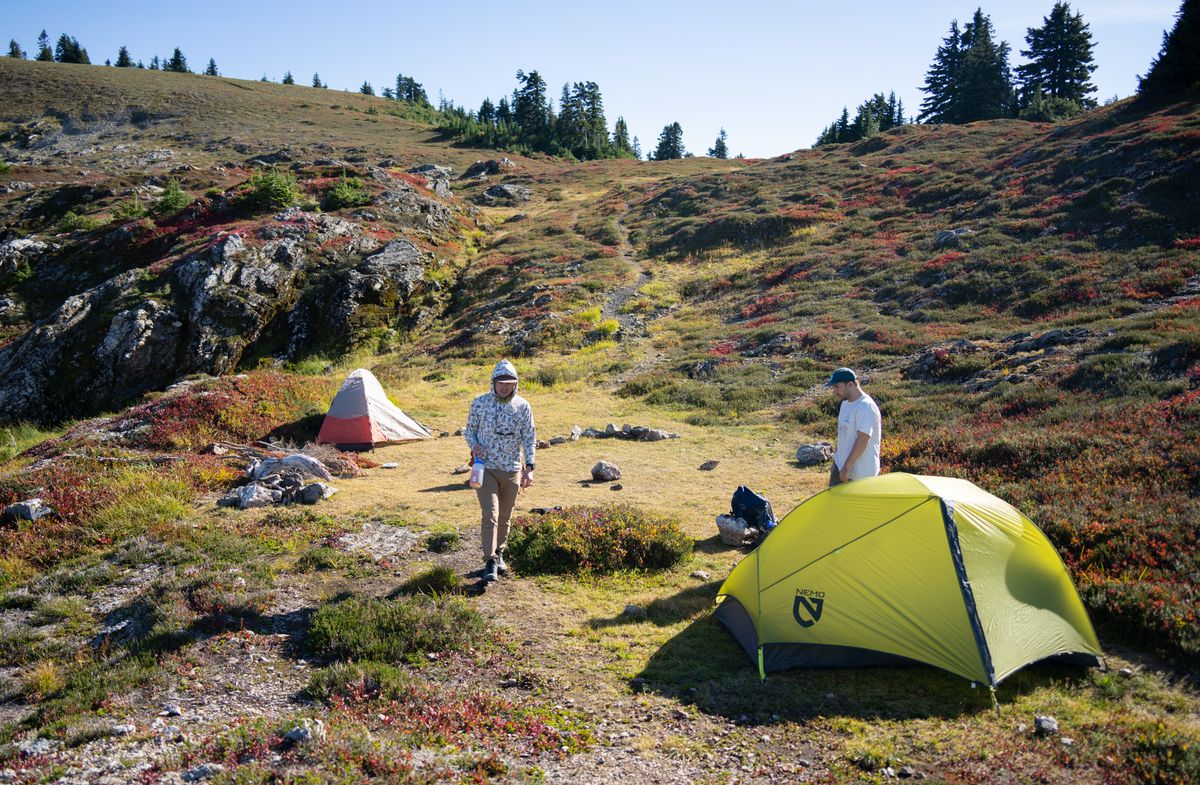
The ultimate test of this protocol is spending a night in the backcountry with nothing but natural sounds for sleep. No white noise machine, no sleep app, no fan. Just the acoustic environment that your circadian system is actually calibrated for. Most people who do this report the deepest sleep they have experienced in years. The first night might be slightly restless as your nervous system adjusts to an unfiltered acoustic environment, but by the second night the sleep quality is consistently remarkable compared to any urban or suburban sleeping environment.
You do not need to go backcountry to get results. You need a reliable source of high-quality nature sounds for sleep and a commitment to maintaining the acoustic environment consistently for at least three weeks. Your sleep architecture will shift. You will spend more time in the deep sleep stages where tissue repair, immune function, and metabolic restoration occur. You will wake up less frequently. You will feel genuinely restored in the morning.
The forest has been providing this technology for free since before your species had language. Stop paying for algorithmic approximations and start giving your nervous system what it actually needs. Set up the soundscape tonight. Find the recording that works for your nervous system type and start the conditioning process. Three weeks from now you will understand why the sleep industry has been selling you the wrong solution all along.