Outdoor Sleep: Nature's Ultimate Optimization Protocol for Deeper Rest (2026)
Learn how sleeping outdoors optimizes sleep quality through natural circadian alignment, temperature cycling, and environmental exposure for maximum restoration.

Your Bedroom Is Sabotaging Your Sleep Biology
You have spent thousands of dollars on supplements, blackout curtains, white noise machines, cooling mattresses, and weighted blankets. You have tried every sleep hygiene tip in the book. You have counted backwards from 400, meditated through 30 minute guided sleep sessions, and taken melatonin until your body stopped responding. Your sleep is still mediocre. Here is the uncomfortable truth: your sleep problem is not a supplement deficiency. It is not a magnesium shortage. It is not a melatonin production issue. Your sleep is broken because you have engineered yourself out of the natural environment that calibrated your biology for millions of years. The solution is not another product. It is not another protocol from an app. The solution is to take your sleep outside, literally, and let your circadian system relearn what it already knows how to do.
Outdoor sleep is not camping as a recreational activity. It is not glamping with the influencers. It is not roughing it for social media content. Outdoor sleep is a deliberate protocol for resetting your circadian rhythm, optimizing your hormone production, and accessing the deepest stages of rest that modern architecture has systematically eliminated from your nightly routine. When you sleep outdoors, your body encounters natural temperature fluctuations, ambient light cycles, electromagnetic fields from the earth, humidity variations, and soundscapes that no machine can replicate. These are not luxuries. These are the inputs your biology expects. Your bedroom, with its constant temperature, its artificial light at all hours, its EMF pollution from devices, and its disconnection from the thermal mass of the earth, is running your sleep system on corrupted data. Outdoor sleep is how you restore the signal.
The research on this is not new. Scientists have studied circadian rhythms in controlled environments for decades. What they keep finding is that humans sleeping in natural light environments with temperature variation produce more melatonin, experience deeper REM cycles, and wake feeling more restored than subjects in climate controlled artificial environments. The mechanism is simple. Your suprachiasmatic nucleus, the master clock in your hypothalamus, does not read your Apple Watch. It reads light, temperature, and timing signals from your environment. When you sleep outdoors, those signals are clear, consistent, and exactly what your clock expects. When you sleep indoors under artificial conditions, those signals are garbled, inconsistent, and completely foreign to 200,000 years of hominid evolution. The choice about which one produces better sleep is not complicated.
The Temperature Protocol: Why Thermoregulation Changes Everything
Your body requires a temperature drop to initiate and maintain deep sleep. This is not a preference. This is a biochemical requirement. When your core body temperature drops by 1 to 3 degrees Fahrenheit, your pineal gland increases melatonin production and your brain shifts into slow wave sleep patterns. In a climate controlled bedroom set to a constant 68 degrees, you get a small artificial temperature drop that is nothing like what your biology expects. In nature, the temperature follows a predictable curve tied directly to the solar cycle. The air cools rapidly after sunset, bottoming out in the pre-dawn hours, then warming as the sun rises. This natural thermal rhythm does not just help you fall asleep. It actively drives your body through the sleep stages in the correct sequence.
The protocol for temperature optimization outdoors is not about suffering through cold nights. It is about working with the thermal gradient strategically. You want your sleep system to experience meaningful temperature variation, ideally a drop of 15 to 25 degrees Fahrenheit across the night, but you need sufficient insulation to prevent cold stress that disrupts sleep rather than enhancing it. The solution is a sleep system rated for temperatures 15 to 20 degrees below what you expect to encounter. This is not about comfort. This is about creating the thermal challenge that triggers your body's natural sleep mechanisms while maintaining enough warmth to stay in the deep sleep zones rather than fragmenting into shallow sleep from cold stress.
For most people in temperate climates, a three season sleeping bag rated to 20 degrees Fahrenheit paired with an insulated sleeping pad with an R value above 4 provides sufficient thermal headroom to experience the natural temperature drop without compromising sleep architecture. If you are sleeping in colder environments, you adjust the rating accordingly. The key insight is that you want to feel slightly cool when you first get into your bag, not warm and cozy. If you are comfortable immediately, your sleep system is not getting the temperature signal it needs. The slight thermal stress of cooling triggers the cascade that produces deep sleep. This is why many outdoor sleep veterans report that the best nights come from nights that feel challenging when you first lie down.
The Circadian Reset: How Light Cycles Rewire Your Sleep Architecture
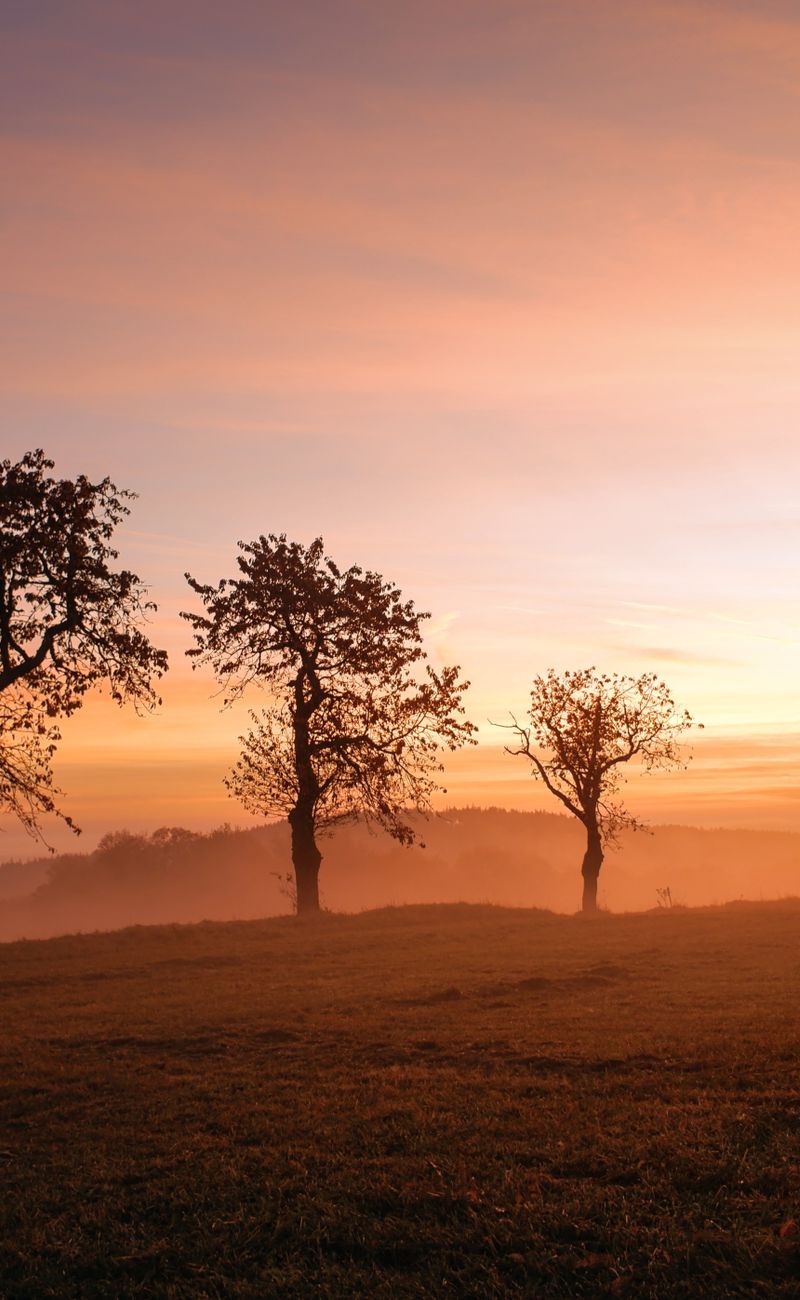
Morning light is the most powerful zeitgeber, or time-giver, for your circadian system. This is not controversial. It is established science. The problem is that most people get their morning light through windows, through sunglasses, through car windshields, or not at all. When you sleep outdoors, you wake with the sun. There is no alarm required. There is no snooze button. There is no artificial light interfering with the melatonin clearance that needs to happen in the first 30 to 60 minutes after waking. The light you receive upon waking outdoors is full spectrum, appropriately angled through the atmosphere, and delivered at the intensity your circadian system expects.
The protocol for maximizing morning light exposure through outdoor sleep is straightforward. You set your sleep system up so that dawn light reaches your face naturally. You do not wear an eye mask. You do not seal yourself in a tent with blackout fabric. You let the sunrise be your wake signal. Within 30 minutes of waking, you want to be in direct sunlight, not looking at a screen, not wearing sunglasses, not through a window. The light enters through your eyes, hits the photosensitive retinal ganglion cells, and signals your suprachiasmatic nucleus that it is time to be alert, time to suppress melatonin completely, and time to begin the cortisol cascade that should naturally peak in the morning hours. When you do this consistently for three to five nights, your circadian rhythm resets to a timing that aligns with solar cycles, which means you will naturally feel alert in the morning and naturally feel sleepy in the evening. This is not a hack. This is your biology working as designed.
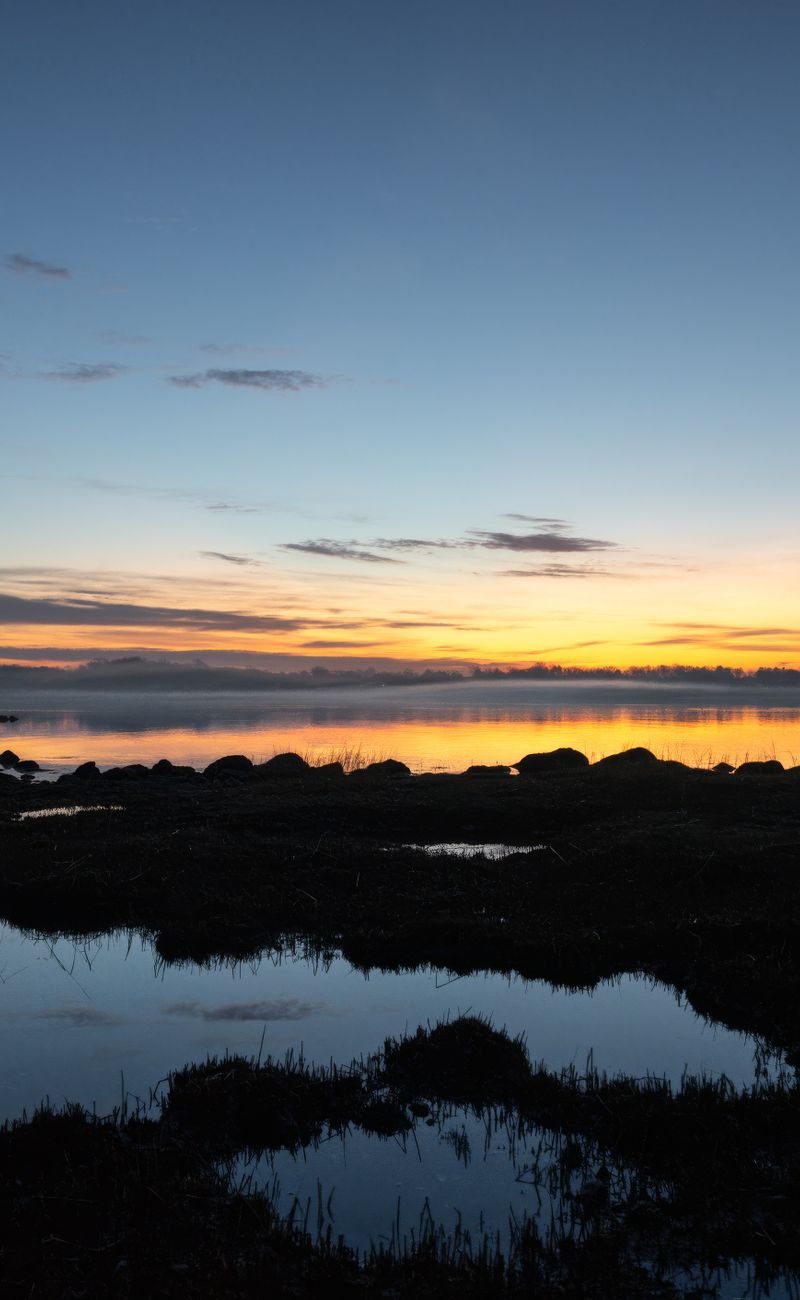
The evening side of the protocol matters equally. When you sleep outdoors, you experience the full dimming sequence of sunset. There is no artificial lighting to override the signals. As the sky darkens, your pineal gland begins producing melatonin in anticipation of sleep. The production is not reactive to a device going into night mode. It is proactive, timed to the actual sunset, and driven by the full dimming gradient that has regulated human sleep for the entirety of your species existence. When you live indoors under artificial lighting until bedtime, you disrupt this anticipatory process. Your melatonin production is delayed, compressed, and less effective because it is fighting against light exposure rather than being supported by natural darkness. Outdoor sleep restores the full sequence and allows your body to prepare for sleep well before you actually lie down.
Gear That Serves the Protocol
Most people buying gear for outdoor sleep make the mistake of optimizing for comfort instead of protocol effectiveness. They buy plush sleeping pads, enormous sleeping bags, and tent setups that are essentially outdoor bedrooms. This approach misses the point. The discomfort of sleeping outdoors, within reasonable limits, is part of the mechanism. The slight challenge, the temperature exposure, the sounds, the ground beneath you, these are not obstacles to good sleep. They are the inputs that produce it. Your gear should minimize unnecessary suffering while preserving the essential environmental inputs that drive the protocol.
The sleeping pad is the most critical piece of gear because it provides insulation from the ground and a surface that allows some position adjustment. Ground contact at night causes significant conductive heat loss. A sleeping pad with an R value of at least 4.5 is non-negotiable for three season outdoor sleep. Inflatable pads with synthetic insulation offer the best warmth to weight ratio for most situations. Foam pads are heavier but more durable and less prone to failure. The choice matters less than the R value. Do not skimp on insulation from the ground. This is not about comfort. It is about thermal management.
The sleeping bag should be rated 15 to 20 degrees below expected low temperatures as discussed. Down insulation offers superior warmth to weight ratio and compresses smaller than synthetic, but loses insulating ability when wet. Synthetic insulation maintains warmth when damp and is less expensive, but heavier and bulkier. For most temperate climate outdoor sleep, down is the clear choice for the protocol because you are not expecting wet conditions and the weight savings matter when you are hiking to your sleep location. A bag rated to 20 degrees Fahrenheit handles most situations from late spring through early fall across most of the continental United States.
Shelter options range from a simple tarp to a lightweight tent to a hammock setup. The protocol works under all of these. The tarp approach, using a simple rectangular tarp with ridgeline, provides maximum exposure to the elements and soundscapes while offering rain protection. This is the most minimal approach and produces the strongest circadian effects because you are fully in the natural environment. A lightweight tent with mesh panels provides bug protection while maintaining airflow and some exposure to ambient conditions. A hammock with underquilt eliminates ground contact entirely and can produce excellent sleep in forested environments. All three serve the protocol. The choice depends on your environment, your comfort level with exposure, and your willingness to accept some weather risk. Start with whatever setup will allow you to actually execute the protocol consistently, then refine as you gain experience.
The Progression: Starting Without Getting wrecked
If you have never slept outdoors intentionally as a sleep protocol, do not start with a winter alpine bivouac or a rainstorm in the backcountry. Start with a controlled environment that removes the variables you are not yet ready to manage. The first step is one night in your backyard with your full outdoor sleep system set up. No tent required for this step if you have a rainfly or tarp. Just sleep outside in whatever setup you plan to use long term. This allows you to identify comfort issues with your gear, temperature management problems, and any anxiety about being outside without adding the complexity of navigation, distance from civilization, or unfamiliar terrain.
After the backyard night, progress to a car camping situation at a established campground. You have vehicle access for backup gear, bathroom facilities nearby, and the psychological comfort of other people in the area. This is not cop-out camping. This is protocol progression. The goal is building the exposure tolerance and familiarity that allows you to eventually sleep in more remote locations without anxiety disrupting the circadian benefits. Many people find that their first outdoor sleep is too disrupted by sounds, temperature sensation, or psychological arousal to achieve deep sleep. This is normal. It takes two to three nights for most people to fully adapt to outdoor sleep conditions. The first night will likely be lighter and more fragmented than your indoor sleep. This is expected and not a failure of the protocol.
After two to three successful car camping nights, move to hike-in camping where you areing a short distance from a trailhead. This adds the physical activity component which enhances sleep pressure and circadian signaling. The exertion of hiking during the day produces deeper sleep pressure that helps you override the novel environmental stimulation of sleeping outdoors. Most people report that their third to fifth outdoor sleep is substantially better than their first two. This adaptation phase is part of the protocol. Push through it. Your body is learning to sleep in its native environment rather than in a sealed climate controlled box.
The Earthing Effect: What Ground Contact Does
The earthing or grounding conversation in the wellness space has attracted its share of pseudoscience and overclaiming. This does not mean the underlying mechanism is invalid. There is genuine research suggesting that direct contact with the earth, particularly through conductive surfaces like soil and grass, affects human physiological systems in ways that may benefit sleep. The proposed mechanism involves the earths surface carrying a negative charge that can neutralize free radicals and reduce inflammation when human skin contacts the ground. Whether you accept the full inflammatory theory or not, there are practical reasons why ground contact during sleep matters for outdoor optimization.
When you sleep outdoors directly on the ground, on a sleeping pad that still maintains some conductive properties, or in a hammock that allows your body to remain in closer electromagnetic alignment with the earth, you are eliminating the Faraday cage effect that conventional housing creates. Modern homes block the earths electromagnetic field. Steel frames, aluminum siding, concrete foundations, and synthetic flooring materials all attenuate the natural electrical environment that human biology developed within. When you sleep directly on earth, your body returns to electrical conditions that are normal for your species. This may not be the miracle cure that some grounding advocates claim, but it is a legitimate environmental variable that differs between indoor and outdoor sleep and may contribute to reported subjective differences in sleep quality.
Practical earthing during outdoor sleep is automatic when you are sleeping directly on ground with a sleeping pad. You do not need special conductive mats or sheets. You do not need to plug anything into the wall. You just sleep on the earth. The sleeping pad insulation from temperature loss does not completely eliminate earthing effects, particularly for the electrical component of the earths field. If you want to maximize earthing exposure, you can incorporate a barefoot walk on grass or soil before bed, which provides direct skin contact with the ground and has the added benefit of grounding your nervous system through the tactile stimulation and parasympathetic activation that barefoot nature walking produces. Consider it part of your evening wind down routine.
Why This Protocol Beats Every Sleep Supplement
The sleep supplement industry is a multi-billion dollar market built on a fundamental misunderstanding. People are not melatonin deficient. People are not magnesium deficient. People are not serotonin deficient. People are living in environments that suppress their natural sleep biology through artificial light, constant temperature, electromagnetic pollution, and disconnection from natural environmental signals. Taking melatonin is like putting fuel in a car that has its wheels sunk in mud. You are addressing the wrong variable. The fuel is not the problem. The environment preventing the system from working is the problem.
Outdoor sleep addresses the actual variable. It restores the environmental inputs that drive your circadian system, your thermoregulation, your hormone production, and your sleep architecture. The benefits accumulate over time. One night produces noticeable effects. A week produces measurable changes in your circadian timing. A month of consistent outdoor sleep will shift your natural wake and sleep times, improve your sleep quality scores, reduce your reliance on sleep aids, and produce subjective reports of feeling more restored and alert during the day. This is not anecdote. This is what happens when you give your biology the environmental conditions it expects.
You can spend another year and another thousand dollars chasing the perfect supplement stack, the ideal mattress, the optimal room temperature setting. Or you can spend one night sleeping outdoors and give your circadian system a data update that no product can replicate. The outdoors is not a backup plan for your sleep optimization. The outdoors is the original protocol. Everything else is a workaround.