Morning Sunlight for Sleep Quality: The Complete 2026 Protocol
Learn how to use strategic morning sun exposure to regulate your circadian rhythm and maximize deep sleep quality naturally.

The Biological Reality of Morning Sunlight for Sleep Quality
Your circadian rhythm is broken because you spend your first waking hours under artificial LED lights or staring at a smartphone screen. Most people believe that sleep is something that happens at night, but the quality of your sleep is actually determined the moment you open your eyes. The biological trigger for a deep, restorative sleep cycle is not a melatonin pill, but the specific wavelength of light that hits your retina during the first hour of the day. When you prioritize morning sunlight for sleep quality, you are not just waking up, you are setting a timer for your brain to release melatonin approximately fourteen to sixteen hours later. This is the original biological protocol that humans used for millennia before we built boxes to live in and replaced the sun with humming fluorescent tubes.
The mechanism is simple. When sunlight enters the eye, it hits the melanopsin-expressing retinal ganglion cells. These cells send a direct signal to the suprachiasmatic nucleus, which is the master clock of your brain. This signal suppresses the production of melatonin and triggers the release of cortisol, which is the hormone that actually wakes you up and gives you energy. If you fail to get this light exposure, your cortisol peak is delayed or blunted, leaving you in a state of cognitive fog that you try to fix with caffeine. More importantly, without that early light anchor, your brain does not know exactly when to start the countdown to sleep. This leads to the common experience of feeling wired at 11 PM even though you are exhausted, because your internal clock is drifting. This drift is what we call factory settings in the modern world, and it is the primary reason why most people feel like they need a weekend to recover from a work week.
To truly rewild your sleep, you must stop treating light as a convenience and start treating it as a drug. Light is the most powerful zeitgeber, or time giver, available to the human body. If you are using a SAD lamp or a light box, you are coping. Those devices do not provide the full spectrum of light or the necessary lux intensity that the actual sun provides. A clear day outside provides ten thousand to one hundred thousand lux, while a bright office environment provides perhaps five hundred lux. The difference is not marginal, it is astronomical. Your brain cannot be fooled by a lamp. To ascend from the NPC sleep routine, you must physically move your body outside and expose your eyes to the natural sky. This is the only way to ensure your circadian rhythm is dialed in and your sleep architecture is optimized for maximum recovery.
The Precise Protocol for Morning Light Exposure
The protocol for morning sunlight for sleep quality is not as simple as glancing out a window. Glass filters out the specific blue and infrared wavelengths required to trigger the suprachiasmatic nucleus. If you are looking through a window, you are wasting your time. You must be outdoors, with no barriers between your eyes and the horizon. The ideal window for this exposure is within thirty to sixty minutes of waking up. The goal is to capture the low angle of the sun, which provides a specific contrast of light and dark that the brain uses to calibrate its clock. If it is a clear day, ten to fifteen minutes is usually sufficient. On overcast or rainy days, you need to extend this to thirty minutes or even an hour because the cloud cover reduces the lux intensity reaching your eyes.
You should not look directly at the sun, as that can damage your retinas, but you should look toward the direction of the sunrise. The light should be ambient and pervasive. This is the perfect time to integrate other nature stacks. Instead of scrolling through emails, walk barefoot on the grass to get grounded while you absorb the light. This combines the circadian anchor with earthing, creating a powerful physiological reset. If you are in a city, find the nearest patch of green space. Even a small park is sufficient as long as you are not under a canopy of buildings that block the sky. The key is consistency. A single day of missing this protocol does not ruin your progress, but a week of staying indoors creates a circadian drift that can take days to correct.
For those who struggle with early mornings, the protocol remains the same. Even if you wake up at 9 AM, you need that light immediately. The longer you delay your first exposure to sunlight, the later your sleep onset will be that night. If you find yourself unable to fall asleep until 2 AM, it is likely because you are not getting sunlight until noon. By shifting your light exposure earlier, you effectively pull your entire sleep cycle forward. This is how you fix a broken rhythm without using pharmaceutical interventions. You are simply giving your biology the data it needs to operate correctly. This is field tested evidence that works regardless of your genetics or your job, provided you can find fifteen minutes to step outside.
Environmental Factors and the Sleep Stack
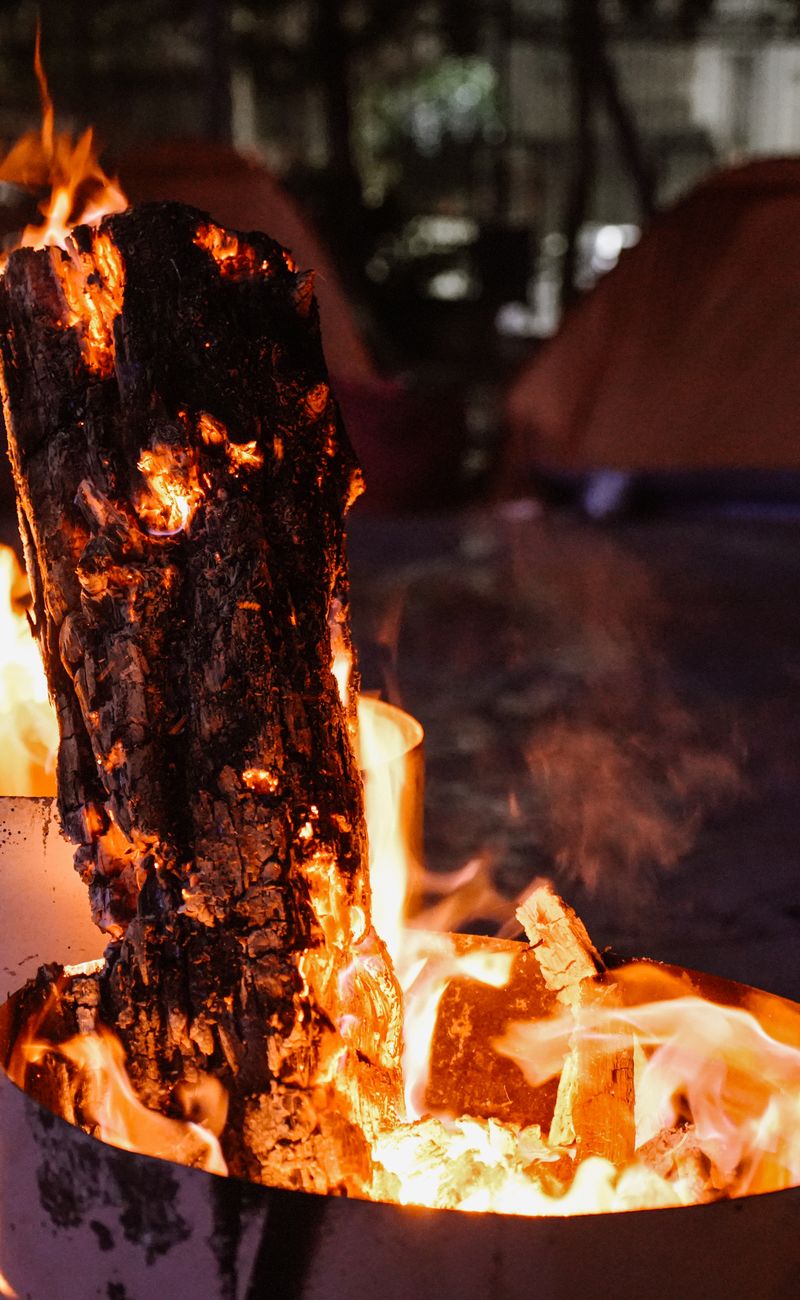
While morning sunlight for sleep quality is the primary anchor, you must manage the rest of your light environment to prevent undoing your progress. The biggest mistake people make is optimizing their morning and then spending the evening under high intensity overhead lights. Once the sun sets, your brain needs to perceive the transition to darkness to maintain the melatonin ramp. This means implementing a screen sundown protocol. Two hours before your target sleep time, you should eliminate blue light from your environment. This does not mean wearing cheap plastic blue light glasses, which are often a form of cope. It means turning off overhead lights and using low level, warm lamps or, better yet, candlelight and fire. The campfire is the original mindfulness tool and the perfect way to signal to your brain that the day has ended.
Temperature regulation is the second pillar of the sleep stack. Your core body temperature must drop by two to three degrees to initiate deep sleep. In a modern bedroom with a thermostat, we often fight this process by keeping the room too warm or using heavy synthetic blankets that trap heat. To rewild your temperature regulation, try sleeping in a cooler room and using natural fibers like wool or organic cotton. If you want to truly optimize, consider the camping reset. Spending three nights sleeping in a tent, exposed to the natural fluctuations of night temperature and the absence of artificial light, can reset a broken circadian rhythm faster than any supplement. When you sleep outdoors, your body is forced to synchronize with the environment. You will find that you naturally fall asleep when it gets dark and wake up when the sun hits the tent, which is the peak state of biological efficiency.
Finally, consider your physical state before bed. A barefoot evening walk is a based practice that helps transition the mind from the high stress of the day to a state of relaxation. Grounding before bed reduces the static charge in the body and signals a state of safety and stability. When you combine morning sunlight for sleep quality with an evening grounding protocol and a cool sleep environment, you are creating a comprehensive system. You are no longer guessing why you are tired or why you cannot sleep. You are following a structured routine based on how the human body evolved to function. This is the difference between a wellness routine and a biological protocol. One is about feeling good for an hour, the other is about optimizing your biology for a lifetime.
Common Myths and Coping Mechanisms in Sleep Optimization
The most common form of cope in the sleep community is the over reliance on melatonin supplements. People treat melatonin as a sedative, but it is actually a hormonal signal. Taking a high dose of synthetic melatonin is like shouting at your brain to sleep when the rest of your environment is telling it to stay awake. This creates a disconnect that can lead to grogginess and long term hormonal downregulation. The only based way to manage melatonin is to control the light that regulates it. By mastering morning sunlight for sleep quality, you are naturally optimizing your own endogenous melatonin production. You do not need a pill when you have a protocol that works with your anatomy.
Another common myth is the idea that blackout curtains are the only way to achieve a dark room. While darkness is essential, the obsession with total sensory deprivation often leads people to ignore the more important factor of light timing. If you have blackout curtains but you never see the sun in the morning, your curtains are useless. You are simply sleeping in a dark box while your internal clock remains completely uncalibrated. The focus should be on the contrast. High intensity light in the morning and low intensity, warm light in the evening. This contrast is what creates the strong circadian signal. Without the peak of morning light, the trough of evening darkness has no meaning to your brain.
Many people also claim they do not have time for a morning sun protocol because they live in a city or have a demanding job. This is a rationalization. Fifteen minutes of standing outside is a negligible amount of time compared to the hours of lost productivity caused by poor sleep. If you cannot find fifteen minutes to touch grass and look at the sky, you are not optimizing, you are just surviving. The urban environment is designed to keep you in a state of chronic circadian misalignment. The buildings, the street lights, and the screens are all working against your biology. Breaking this cycle requires a conscious decision to prioritize your biological needs over your corporate schedule. The reward is a level of mental clarity and physical energy that cannot be bought with any supplement or biohacking gadget.
The Long Term Impact of Circadian Alignment
When you finally get your circadian rhythm dialed in, the improvements extend far beyond just feeling rested. You will notice a significant shift in your mood, your hunger cues, and your cognitive performance. This is because the master clock in your brain does not just control sleep, it regulates almost every systemic process in your body. From the timing of your digestion to the release of growth hormone, everything is tied to the light dark cycle. By using morning sunlight for sleep quality, you are essentially updating your operating system from factory settings to a high performance version. You stop fighting your body and start working with it.
The transition period can be challenging. If you have spent years in a state of misalignment, your body may resist the new protocol for the first few days. You might feel more tired in the afternoons or struggle to fall asleep at the new, earlier time. This is the process of rewilding. Your biology is remembering how to function. Stick to the protocol. Do not pivot to caffeine or nap for three hours in the middle of the day. Push through the transition and trust the biological mechanism. Once the anchor is set, the stability of your sleep will increase, and the quality of your deep sleep and REM cycles will improve. You will wake up before your alarm, feeling alert and ready to tackle the day without the need for external stimulants.
Ultimately, naturemaxxing is about removing the artificial layers that separate us from our biological truth. Sleep is the foundation of all other optimizations. You cannot build a high performance body or a sharp mind on a foundation of broken sleep. The most effective tool for fixing this is free, accessible, and has been available since the beginning of human existence. Stop looking for the magic pill and start looking at the sun. The protocol is simple, the evidence is clear, and the results are undeniable. Get outside, get the light, and reclaim your biology.