Circadian Rhythm Reset: The Complete Camping Protocol 2026
Reset your internal clock and reclaim deep sleep by using the camping protocol to align your biology with natural light cycles.

The Biology of the Circadian Rhythm Reset
Your circadian rhythm is broken because you have spent the last decade living in a concrete box illuminated by flickering LEDs and blue light screens. Most people think they have insomnia or a chemical deficiency when the reality is that they are simply disconnected from the planetary clock. Your brain is designed to respond to the specific spectrum of light provided by the sun. When you live in a modern city, you experience a compressed light environment where the midday sun is blocked by ceilings and the midnight darkness is replaced by the glow of a smartphone. This creates a state of permanent biological confusion. Your cortisol spikes at the wrong time and your melatonin production is delayed or suppressed entirely. This is why you feel wired at 11 PM and exhausted at 8 AM. You are running on factory settings that have been corrupted by urban infrastructure.
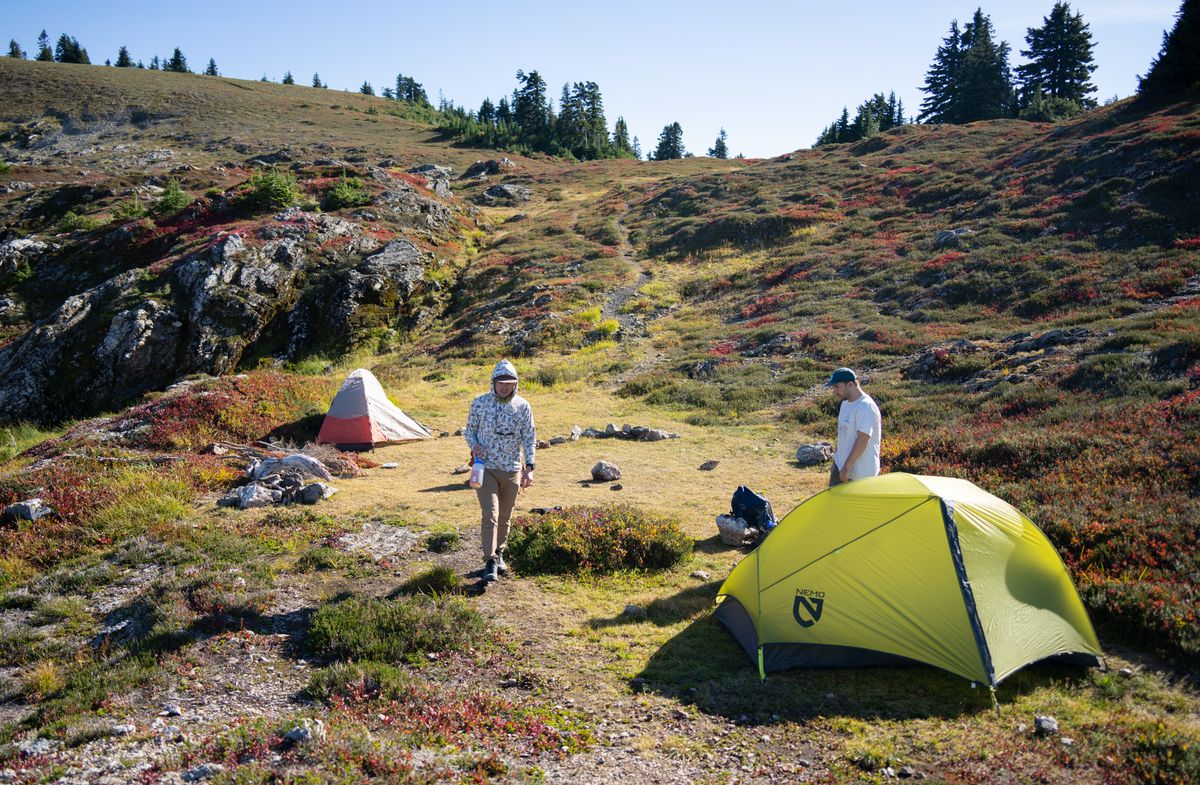
The only way to truly execute a circadian rhythm reset is to remove yourself from the artificial environment entirely. A few hours of morning sunlight in a city park is a start, but it is not a protocol. To fully rewild your sleep cycle, you need to immerse yourself in a natural environment where the light signals are unambiguous. This means sleeping in a tent or under the stars and waking up to the actual dawn. When you are in the wilderness, your suprachiasmatic nucleus, which is the master clock in your brain, stops guessing and starts reacting. The high intensity of morning blue light triggers an immediate cortisol release that wakes you up and sets a timer for melatonin production to begin roughly fourteen hours later. This is the core of the camping protocol. You are not going on a vacation. You are performing a biological hard reset to eliminate the cope of sleep supplements and blackout curtains.
Most people attempt to fix their sleep by buying expensive gadgets or taking synthetic hormones. This is a mistake. Melatonin is a signal, not a sedative. If you take it while your room is still lit by a standby light on your television, you are sending a conflicting signal to your brain. The circadian rhythm reset happens when the external environment matches the internal need. In the wild, there is no ambiguity. The sun rises, the light hits your retinas, and your body knows exactly where it is in the cycle. This alignment reduces sleep latency and increases the percentage of time you spend in deep sleep and REM cycles. If you want to ascend beyond the average sleep quality of an NPC, you must stop fighting your biology and start leveraging the environment.
The Three Day Wilderness Sleep Protocol
A single night in the woods is a novelty, but three nights is a protocol. The first night is usually a struggle because your body is still purging the stimulants and artificial light signals from your urban life. You might find it hard to fall asleep or wake up prematurely as your brain searches for the familiar hum of the city. This is the transition phase. By the second night, the lack of blue light after sunset begins to allow your natural melatonin to surge. You will notice that you start feeling a genuine, heavy sleepiness as the sun dips below the horizon. This is the sign that the circadian rhythm reset is taking hold. Your body is finally recognizing the signal that the day has ended.
By the third night, your internal clock is dialed in. You will likely wake up naturally, without an alarm, just as the first light of dawn hits the tent. This is the peak of the protocol. At this stage, your hormone levels are synchronized with the solar cycle. To maximize this effect, you must avoid all artificial light sources. This means no phone, no flashlight unless absolutely necessary for safety, and no tablets. If you use a headlamp to find your gear, you are introducing blue light that tells your brain the sun has risen, which effectively kills the progress of the circadian rhythm reset. Use a dim red light if you must, as red wavelengths are less disruptive to melatonin production. The goal is total light hygiene during the duration of the trip.
Physical exertion is a critical component of this stack. You cannot simply sit in a camp chair for three days and expect your biology to shift. You need to engage in high intensity movement during the daylight hours. Rucking, hiking, or foraging for firewood forces your body to use energy and increases the homeostatic sleep drive. When you combine a high sleep drive with the correct light signals, the result is a level of sleep depth that is impossible to achieve in a bedroom. You will experience a profound sense of physical and mental restoration because your brain is finally allowed to complete its glymphatic cleaning process without the interference of urban noise and light pollution. This is how you move from a state of chronic fatigue to a state of optimized recovery.
Optimizing Temperature and Grounding for Deep Sleep
Light is the primary driver of the circadian rhythm reset, but temperature is the secondary trigger. Your core body temperature must drop to initiate and maintain deep sleep. In a modern bedroom, we rely on air conditioning or heating, which often creates a stagnant environment. In the wild, you are exposed to the natural dip in temperature that occurs at night. This cooling effect signals to the brain that it is time for metabolic slowdown. To optimize this, you should avoid over insulating yourself. Many people make the mistake of using a sleeping bag that is too warm, which leads to overheating and fragmented sleep. You want a system that allows for a slight chill, forcing your body to regulate its own temperature through thermogenesis.
Grounding, or earthing, is another essential part of the sleepmaxx stack. When you sleep in a tent on the forest floor, you are in close proximity to the earth's surface. While a sleeping pad provides necessary insulation, spending time barefoot on the ground during the day and evening helps stabilize your electrical charge. There is significant evidence suggesting that grounding reduces inflammation and lowers cortisol levels. By reducing the systemic stress in your body before you hit the sleeping bag, you lower the barrier to entry for deep sleep. A barefoot walk in the damp grass or soil just before the sun sets is a based practice that prepares the nervous system for a total shutdown.
The sound environment of the wilderness is the final piece of the puzzle. Urban environments are filled with low frequency noise pollution, such as traffic and humming appliances, which keep the brain in a state of low level vigilance. Nature provides a stochastic soundscape of wind, water, and wildlife. These sounds are processed by the brain as non threatening, allowing the prefrontal cortex to relax and the parasympathetic nervous system to take over. This shift from sympathetic to parasympathetic dominance is what allows for a true circadian rhythm reset. When your brain feels safe and the environment is dark and cool, it stops scanning for threats and enters the deep recovery states necessary for cognitive optimization.
Integrating the Reset into Urban Life
The hardest part of the camping protocol is not the three days in the woods, but the transition back to the city. Most people return home and immediately plug themselves back into the matrix, undoing all the progress of their circadian rhythm reset within forty eight hours. To prevent this, you must implement a maintenance protocol. The most critical step is the morning sun exposure. Within thirty minutes of waking up, you must get outside and view real sunlight. This is not looking through a window. You need the photons to hit your retinas directly to trigger the cortisol spike and start the melatonin timer. If you can spend twenty minutes walking barefoot on grass while viewing the sun, you are effectively extending the benefits of your wilderness trip.
Evening light hygiene is where most people fail. Once you return to the city, you must treat blue light as a pollutant. Use software to block blue light on your devices, but better yet, implement a screen sundown protocol where all electronics are turned off two hours before bed. Replace the bright overhead lights in your home with dim, warm lamps. This mimics the fading light of a campfire and prevents the suppression of melatonin. If you cannot get to the woods every month, you can simulate the environment by keeping your bedroom temperature low and using a high quality sleep mask to ensure total darkness. However, these are just substitutes. The real update to your biology only happens through direct exposure to the elements.
The ultimate goal of the circadian rhythm reset is to move away from a reliance on external aids. You should not need a pill to fall asleep or a loud alarm to wake up. When your biology is dialed in, sleep becomes an effortless process. You will find that your energy levels are more stable throughout the day and your mental clarity is sharper because your brain is actually recovering. This is the difference between surviving in a city and thriving in a body that is rewilded. Stop trying to optimize your sleep with a new mattress or a fancy app. Go into the woods, kill the lights, and let the earth reset your clock. Nature does not care about your comfort, but it provides the only real protocol for biological optimization. The wilderness is the only place where you can truly escape the noise and return to your original factory settings.