Mushroom Foraging for Beginners: Identification, Safety, and Your First Harvest
Foraging is the original food protocol. This beginner guide covers identification, safety rules, essential gear, and the 5 easiest species to start with.
Foraging Is Not a Hobby. It Is the Original Food Protocol.
Every supplement on your shelf is a concentrated version of something that grows in the ground. Every superfood in your smoothie was foraged by someone before it was packaged. Mushroom foraging reconnects you to the food chain in a way that no grocery store can. You learn to read landscapes, identify species, understand ecosystems, and harvest nutrition directly from the source. The forest floor has more bioavailable nutrition than your entire supplement shelf. You just need to know what you are looking at.
This guide covers the fundamentals: identification principles, safety rules that are non-negotiable, the gear you actually need, and the five easiest edible species for beginners in North America and Europe.
The 5 Beginner Species: Start Here and Only Here
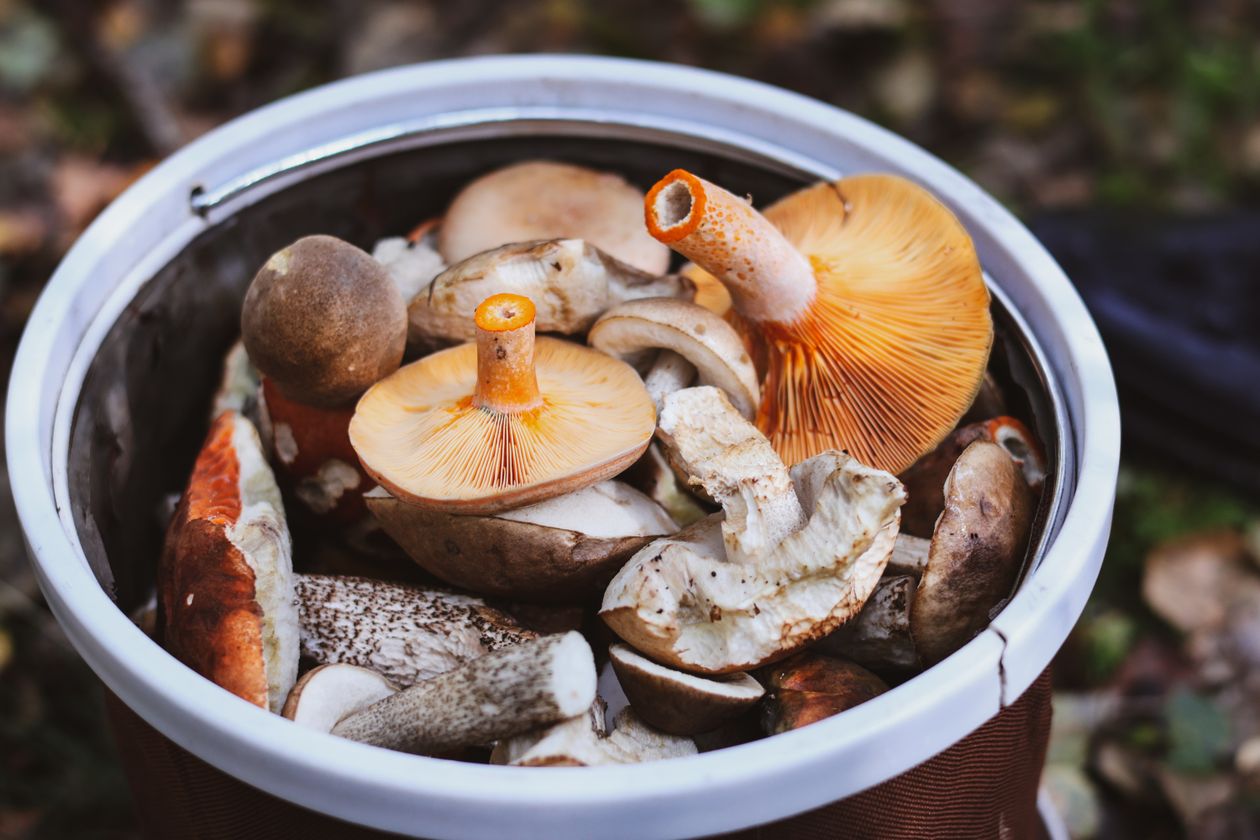
Chanterelles are golden, funnel-shaped, and smell faintly of apricots. They grow near hardwoods in summer and fall. Their false gills (ridges instead of paper-thin gills) make them distinctive. The most common lookalike is the jack-o-lantern mushroom, which grows in clusters on wood and glows faintly in the dark. Chanterelles grow from the ground individually or in scattered groups, never in dense clusters on logs.
Chicken of the woods is a bright orange and yellow shelf fungus that grows on dead or dying hardwoods. It has no dangerous lookalikes in its mature form. It tastes and textures like chicken when sauteed. Harvest only young, moist specimens. Old or dry specimens are tough and can cause digestive issues.
Morels have a distinctive honeycomb cap and hollow interior. Cut one in half lengthwise: if it is hollow from cap to stem, it is a true morel. False morels have cottony or chambered interiors. Morels appear in spring, often after rain, near ash, elm, and apple trees and in recently burned areas.
Puffballs are round, white, and grow on the ground in fields and forest edges. The key identification step: slice it in half. The interior must be pure white and uniform. If you see any internal structure, gills, or coloration, it is not a puffball. Young Amanita species (which are deadly) can resemble small puffballs externally, which is why the cross-section check is non-negotiable.
Oyster mushrooms grow in shelf-like clusters on dead hardwood. They are white to cream colored with a mild anise scent. Their gills run down a short, off-center stem. They fruit year-round in mild climates and are one of the most forgiving species for beginners.
Safety Rules: These Are Not Suggestions
Never eat a mushroom you cannot identify with 100% certainty. "Pretty sure" is not good enough. Some toxic species cause liver failure 24 to 48 hours after ingestion with no symptoms in between. By the time you feel sick, the damage is done. Carry a quality field guide specific to your region. Take spore prints. Photograph every specimen from multiple angles before harvesting. When in doubt, leave it in the ground.
Start with a local foraging group or experienced mentor. Book knowledge is necessary but insufficient. Seeing species in their habitat, touching them, smelling them, and having an experienced forager confirm your identification builds pattern recognition that no book alone can provide.
Gear and Getting Started
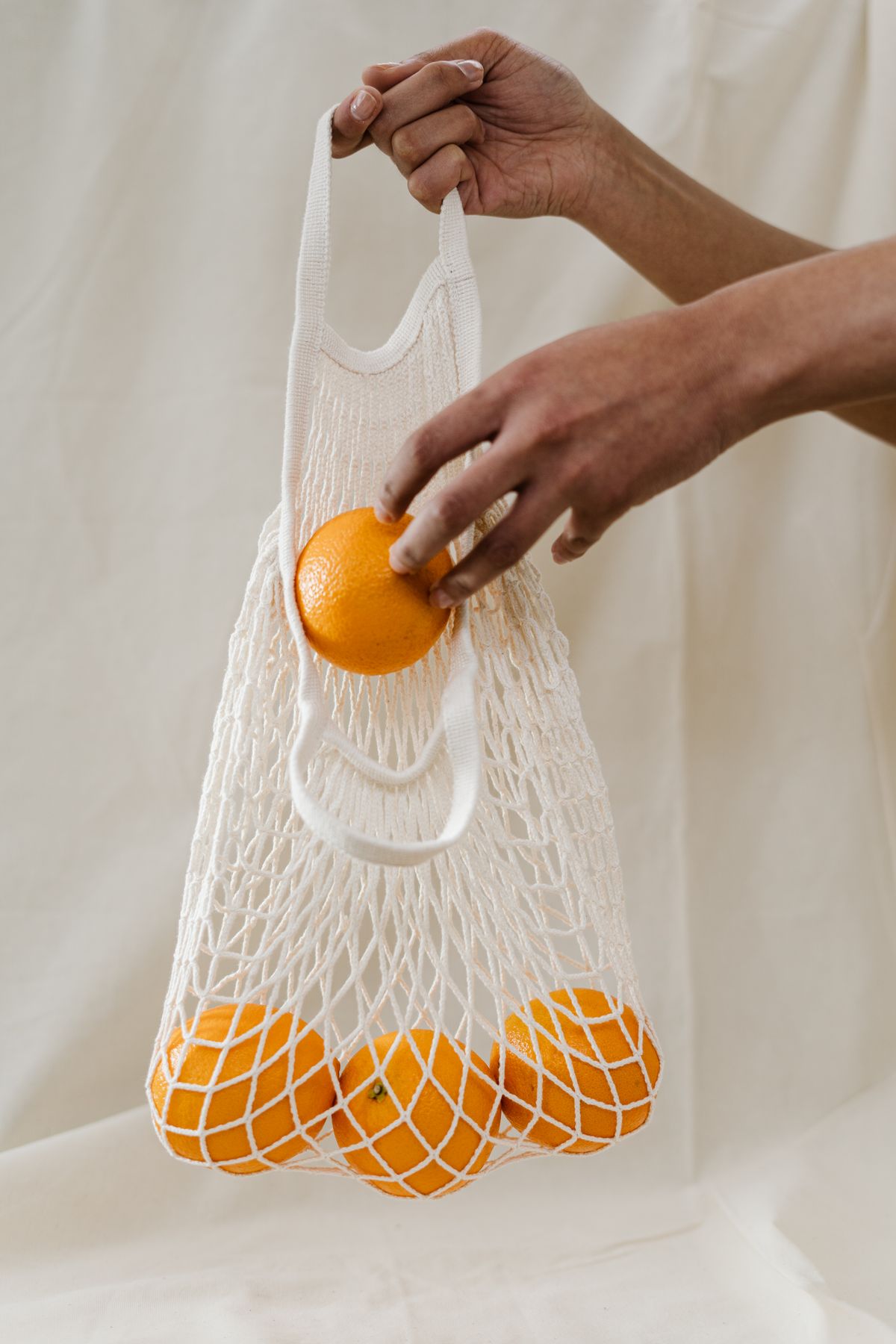
A mesh bag or basket (never plastic, which accelerates decay), a small knife for clean cuts, a field guide for your region, and a phone camera for documentation. That is all you need. Do not overcomplicate the gear. The skill is in your eyes and your discipline, not in your equipment. Start with one species. Learn it completely. Find it reliably across multiple sessions. Then add a second species. This slow progression builds real competence instead of dangerous overconfidence. The forest is patient. Your learning should be too.