Cold Water Immersion: The River and Lake Protocol That Actually Works
Forget the ice bath tub. Natural cold water immersion in rivers and lakes is the original protocol. Here is how to start safely and progress.
Why Natural Cold Water Beats a Tub in Your Garage
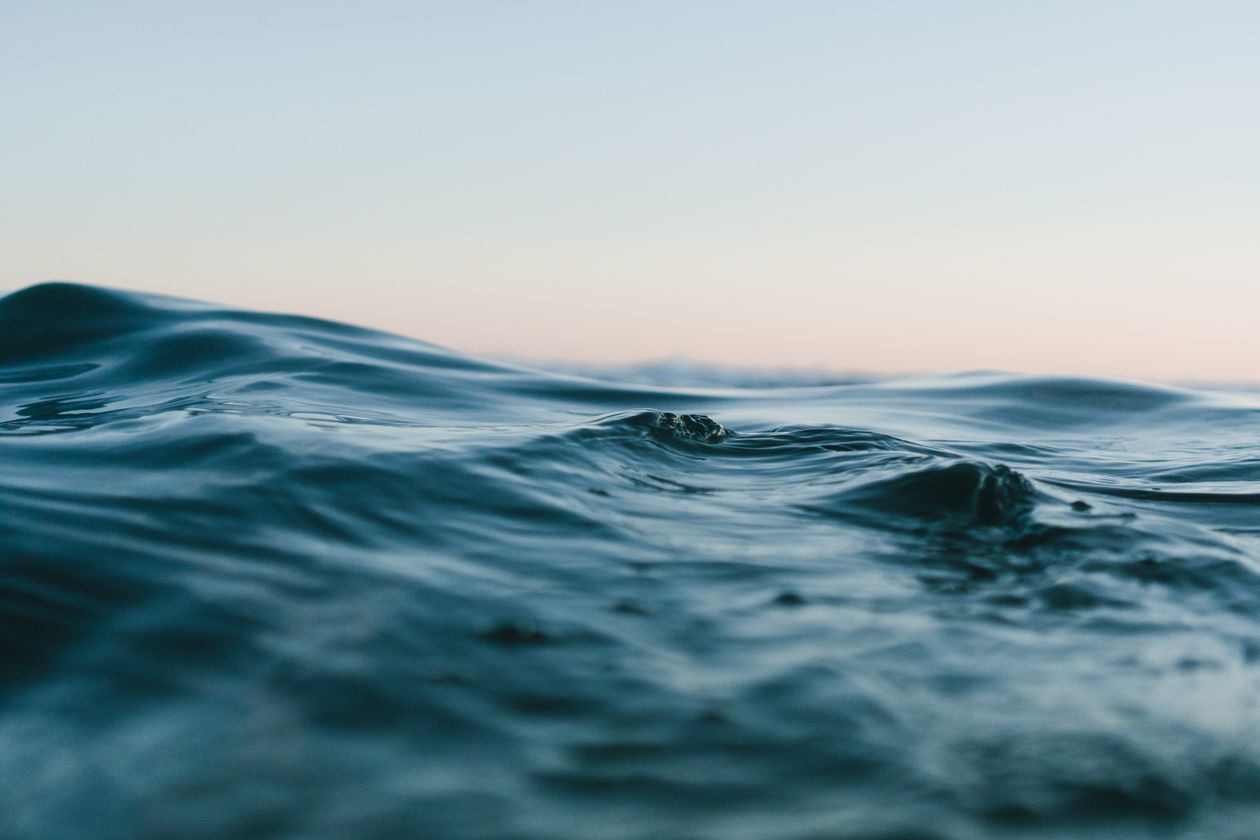
The cold plunge industry wants you to believe you need a $3,000 ice bath with a chiller, a filtration system, and a Bluetooth thermometer. You do not. Every river, lake, and ocean on earth has been providing cold water immersion for free since before humans existed. The water is colder, cleaner, and more variable than anything a manufactured tub can produce. And the psychological component of immersing in moving natural water is fundamentally different from stepping into a box in your garage.
Natural cold water adds environmental stressors that a tub cannot replicate: current, depth variation, uneven footing, wind chill on wet skin, and the sensory experience of being in a wild setting. These additional inputs amplify the hormetic stress response. Your body does not just adapt to temperature. It adapts to the entire experience. That is why regular open-water swimmers report mood, energy, and resilience improvements that tub users rarely match.
The Starter Protocol: Your First 30 Days
Week 1: Find a safe, accessible body of natural water. A calm river section, a lake shore, or a protected ocean cove. Water temperature does not need to be extreme. Anything below 60F (15C) triggers the cold shock response. Wade in to waist depth. Stay for 60 seconds. Get out. That is your first session. The goal is not endurance. The goal is teaching your nervous system that cold water is not a threat.
Week 2: Extend to 2 minutes. Submerge to chest depth. Focus on slow nasal breathing. The urge to gasp is your sympathetic nervous system firing. Breathing through it is the protocol. Four seconds in through the nose, six seconds out through the mouth. Your heart rate will spike and then settle. That settling is adaptation happening in real time.
Week 3 and 4: Push to 3 to 5 minutes. Full submersion to the neck. At this point your body has begun producing norepinephrine at elevated levels in response to cold exposure. This is the mechanism behind the mood and focus improvements that cold exposure practitioners report. The vasoconstriction and subsequent vasodilation cycle also improves circulation and reduces systemic inflammation over time.
Safety: Non-Negotiable Rules
Never swim alone in natural water. Cold shock can cause involuntary gasping and loss of motor control. Have someone on shore or in the water with you. Never enter water with a strong current until you are an experienced swimmer. Never jump into water of unknown depth. Enter gradually. Exit immediately if you feel numbness in your extremities, confusion, or loss of coordination. These are early signs of hypothermia and they progress fast.
Know your water. River temperatures vary dramatically by season and location. A stream that is 55F in October can be 38F in January. Check conditions before every session. Start warm-season and progress into colder months as your tolerance builds. Wearing neoprene boots protects your feet from sharp rocks and extreme cold on the soles, which is where heat loss accelerates fastest.
Building the Habit
Three sessions per week is the minimum effective dose for sustained adaptation. Morning sessions pair well with sunlight exposure for a combined circadian and hormetic protocol. The post-immersion feeling, a calm alertness that lasts hours, becomes the reward loop that keeps you coming back. After 90 days of consistent practice, cold water stops feeling like a challenge and starts feeling like a reset button. That is the point. The river was always the protocol. The tub was always the cope.