Essential Wilderness Survival Skills: Complete Beginner's Guide (2026)
Master the fundamental wilderness survival skills you need to thrive in nature. From fire-making and shelter building to water sourcing and navigation, this comprehensive guide covers everything beginners need to survive and thrive outdoors.
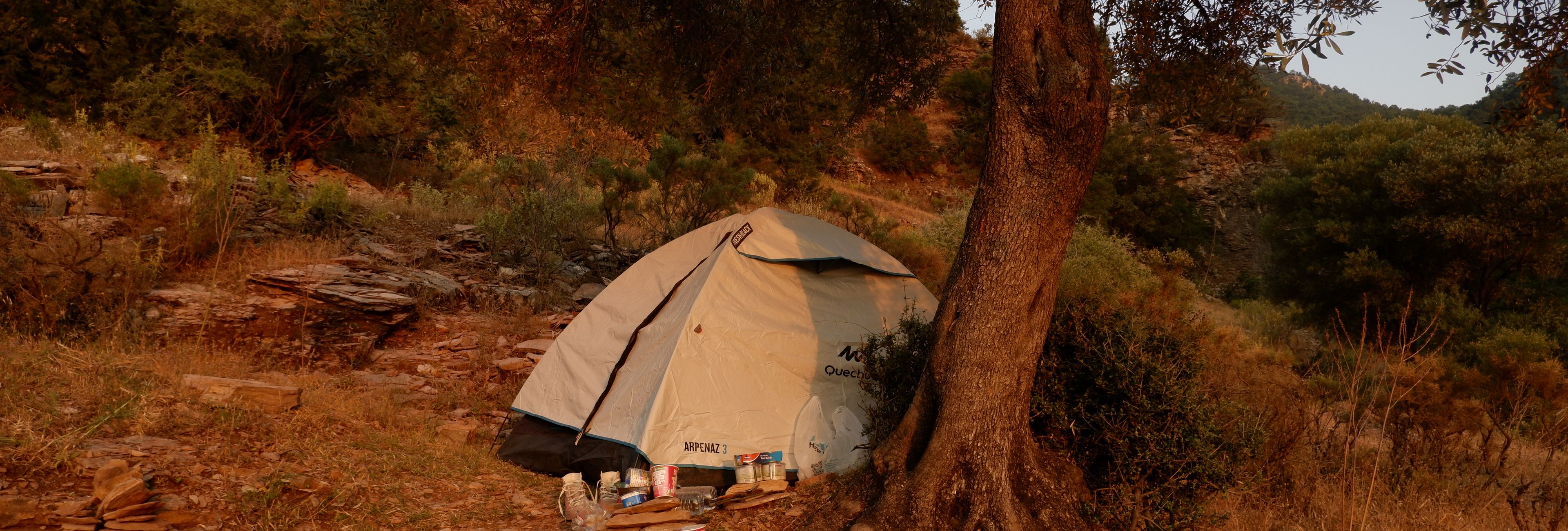
The Survival Protocol Starts Before You Leave the Trailhead
Most people approach wilderness survival wrong. They wait until something goes sideways before they engage with the fundamentals. The veteran backcountry travelers understand something that the weekend warrior misses entirely: survival skills are not about what you do when everything falls apart. They are about building such a deep relationship with the core protocols that you never actually need them as emergencies. The fire protocol becomes second nature. Water purification is automatic. Shelter assessment happens before you even pick your campsite. This guide is not about teaching you to survive a zombie apocalypse or a plane crash in the Alaskan bush. This is about giving you the field-tested frameworks that turn a potentially dangerous situation into a manageable inconvenience. Your body is capable of remarkable adaptation. Your brain is wired for problem solving under pressure. What you need are the specific skills and the confidence that comes from knowing what actually works in the field.
The modern outdoor enthusiast has been conditioned to rely on gear as a substitute for skills. The $600 tent that promises to withstand a hurricane. The satellite communicator that means you never have to learn navigation. The freeze-dried meals that eliminate the need to understand food procurement. Gear serves the protocol, but gear should never replace the protocol. When that $600 tent shreds in a windstorm above treeline, the person with no shelter skills is in serious trouble. When that satellite communicator dies because you forgot to charge it, the person with no navigation skills is now lost. This guide is about building the foundation that makes your gear optional, or at minimum, redundant backup systems that could save your life when primary systems fail.
The Big Three: Fire, Water, Shelter
Every survival situation reduces to three core problems: how to maintain core body temperature, how to source safe drinking water, and how to establish a defensible position that protects you from the elements. Everything else is detail work on top of these three pillars. Master these three and you can survive in almost any terrestrial environment on earth. The order in which you address them depends on the specific threat profile of your situation, but most instructors teach the mnemonic STOP: Sit, Think, Observe, Plan. Before you do anything, stop moving and assess. Hypothermia kills faster than dehydration. Dehydration kills faster than starvation. Exposure kills more backcountry travelers than wildlife attacks, snake bites, or any of the dramatic scenarios that populate survivalist fantasies. Start with the threat that will kill you fastest.
Fire starting deserves the reputation it carries in survival education because fire solves multiple problems simultaneously. It provides warmth to combat hypothermia. It enables water purification through boiling. It creates a psychological anchor that maintains morale under stress. It produces a visible signal for rescue scenarios. It cooks food to increase bioavailability and eliminate parasites. The skills you need are tinder preparation, kindling progression, and fire structure selection for different conditions. Natural tinder can be produced from the inner bark of dead conifers, dry grasses, or the fiber material inside cattail heads. The concept is simple: you need to create a self-sustaining reaction that transfers flame from your ignition source to your fuel wood. The progression is tinder to kindling to fuel, and each stage requires less precision and smaller increases in heat energy. Practice at home with a ferrocium rod and petroleum-based tinder until the motion is automatic, then practice with natural materials until you can produce fire in wet conditions.
Water procurement and purification is where people make the most dangerous assumptions. Most wilderness water sources look clean. Mountain streams, spring melt, rainwater collection, and natural pools often appear crystalline andpure. Bacteria, parasites, and protozoa do not care about visual clarity. Giardia, cryptosporidium, and a dozen other pathogens can incapacitate you within hours of ingestion, and in wilderness settings, vomiting and diarrhea accelerate dehydration to a degree that transforms a manageable situation into a life-threatening emergency. The purification protocol has two components: physical removal of particulates and chemical or thermal destruction of biological contaminants. Filtering removes particles larger than the filter pore size but does not eliminate viruses or dissolved contaminants. Boiling for at least one minute at sea level elevation, or three minutes at altitudes above 6,500 feet, destroys all biological threats. Chemical treatments like iodine tablets or chlorine dioxide drops work more slowly but are effective against most threats. The best protocol combines both: filter first to remove sediment, then boil or chemical treat to ensure biological safety.
Shelter is the most neglected skill in modern wilderness training because most recreational outdoor activities happen near developed areas or in forgiving weather conditions. The camper who has only car camped with a $400 tent has never had to build an emergency shelter from available materials. The hiker who always stays in huts or shelters has never had to assess a natural windbreak or thermal mass properties of a rocky outcrop. Understanding passive solar gain, wind channeling, and moisture management in shelter construction is not optional knowledge if you venture beyond established trails. A debris shelter using downed branches, leaf litter, and snow for insulation can sustain life temperatures well below freezing. A tarp setup using proper ridgeline geometry and guy line tensioning can reduce exposure dramatically. The key principles are: protect from wind first, then rain, then cold ground, and optimize for the specific threat profile of your location.
Navigation Without GPS: The Dead Reckoning Protocol
Getting lost is the most common precursor to wilderness survival situations. Modern GPS devices and smartphone mapping applications have largely eliminated the navigational challenge that previous generations of backcountry travelers had to develop. This convenience comes with a dangerous trade-off: the skills to orient without technology have atrophied entirely. When your battery dies, when your phone gets damaged, when you simply misjudge a junction in poor visibility, the absence of these skills transforms a minor navigation challenge into a survival situation. The dead reckoning protocol is the foundational navigation skill. It involves establishing a known reference point, determining the direction of travel using a map and terrain association, and maintaining that heading while accounting for drift introduced by terrain obstacles, vegetation density, or snow conditions.
Map reading begins with understanding contour lines and how they represent three-dimensional terrain on a two-dimensional surface. Closely spaced contour lines indicate steep terrain. Widely spaced lines indicate gentle slopes. Closed loops often represent hills or depressions. A ridge appears as a V-shape pointing away from the high ground. A valley appears as a V-shape pointing toward the high ground. Combining these visual patterns with your actual view of the terrain allows you to confirm your position with high confidence. Compass navigation requires understanding the difference between true north and magnetic north, the correction factors for your specific geographic region, and the ability to translate compass bearings into direction of travel on your map. Declination adjustments are non-negotiable: failing to account for the difference between true and magnetic north in areas like the Appalachian Mountains, where declination can exceed 10 degrees, will put you significantly off course over distance.
Terrain association is the art of matching visible landscape features to your map as you travel. Rather than relying entirely on compass bearings, you identify prominent features like ridgelines, stream junctions, cliff bands, or distinctive rock formations, and you confirm your position by relating these features to their represented location on your map. Experienced navigators use terrain association as their primary method and reserve precise compass work for situations where visibility is reduced or when they need to confirm a critical decision point. The combination of map, compass, and terrain association provides redundancy that electronic systems cannot match. Train these skills in familiar territory before you need them in conditions where failure carries real consequences.
Food Procurement: Foraging Fundamentals and Ethical Boundaries
The human body can survive three weeks without food. Protein and caloric intake become survival priorities only after the first three to five days without nutrition. This temporal hierarchy means that emergency food procurement should come last in your survival priority stack, after fire, water, shelter, and navigation. However, for longer duration wilderness scenarios or when conventional food supplies are exhausted, understanding basic foraging principles could mean the difference between a miserable experience and a dangerous one. The number one rule of wild food procurement is positive identification before ingestion. There are no tentative identifications in foraging for survival. A plant that might be edible is not a plant you eat. A mushroom that is probably safe is a mushroom you leave alone. The consequences of misidentification range from digestive distress to organ failure to death.
The broad categories of wild edibles include: inner bark of certain trees, which contains concentrated sugars and starches; pine needles, which contain high levels of vitamin C; edible roots like cattail and Jerusalem artichoke; and berries from non-toxic species like raspberry, blackberry, and blueberry. The Universal Edibility Test is a systematic process for testing unknown plant materials, but it takes six to eight hours to complete a single test and should never be applied to known toxic species like poison ivy, poison oak, or plants with milky sap. The most practical approach is to learn the identification characteristics of the most common edible species in your region before you need them. Download a regional field guide. Spend time on identification drills until the characteristics are automatic. Carry dried specimens for reference if you are serious about developing foraging competence.
First Aid for the Backcountry: The Differential From Urban Care
Wilderness first aid differs fundamentally from urban first aid because of transport time. In a city environment, calling emergency services brings professional medical care within minutes. In a remote wilderness setting, evacuation to advanced medical care can take hours or days, and during that time, the first aid response must stabilize the patient well beyond what urban protocols require. The wilderness first aid provider must be prepared to manage extended care scenarios for conditions that urban protocols assume will be treated in a hospital setting. Wound cleaning becomes more aggressive because infection risk is higher without sterile conditions. Fracture management requires improvisation of splints from available materials. Shock assessment and treatment becomes a core competency rather than a transient intervention while waiting for paramedics.
The foundational principle of wilderness first aid is that treatment decisions must account for evacuation logistics. A patient with a stable fracture in an area reachable by helicopter warrants different treatment than a patient with the same fracture in a location requiring a multi-day carryout over rugged terrain. The wilderness first aid provider calculates not just the immediate injury but the total environmental context including weather, terrain, available resources, and the physiological state of both the patient and any potential rescuers. Blister management, sprain treatment, and wound care make up the majority of backcountry injuries. Learning proper taping techniques, understanding the RICE protocol for soft tissue injuries, and mastering wound cleaning and bandaging with improvised materials will address the vast majority of situations you encounter in the backcountry.
Mental Fitness: The Underrated Survival Variable
Skill atrophy and panic are the two psychological threats that end more wilderness survival situations than any physical factor. Skill atrophy occurs when stress-induced adrenaline impairs the automatic execution of trained procedures. The person who has not practiced fire starting under pressure may find that their hands will not perform the practiced motions when their core body temperature is dropping. The person who has not rehearsed their emergency protocol may find that their problem solving capacity decreases precisely when they need it most. The cure for skill atrophy is deliberate practice in suboptimal conditions: building fires in the rain, navigating in darkness, practicing first aid procedures under artificial stress. Training your stress response to remain calm during skill execution requires exposure to manageable stress in controlled settings.
Panic is the enemy of functional decision making. The physiological cascade that accompanies panic produces tunnel vision, impaired working memory, and a cognitive bias toward immediate action regardless of plan quality. The survival protocol requires deliberate cognitive override of the panic response. The STOP protocol serves this purpose: Stop moving, Think about the situation as an observer rather than a participant, Observe available resources and environmental conditions, Plan the next action before executing it. This simple cognitive framework disrupts the panic loop and restores access to problem solving capacity. Developing the habit of STOP before any survival action creates a mental circuit breaker that remains accessible under stress.
The Path Forward: Building Your Field-Tested Skill Set
Knowledge without practice is not competence. Reading this guide is worthless if the information remains abstract. The protocols described here require field testing in conditions that create genuine learning. Find a wilderness skills course in your region. Practice fire starting with natural tinder until you can do it in rain. Build shelters with improvised materials. Navigate using map and compass in terrain that is unfamiliar but non-threatening. The investment in developing these skills pays compound returns because the skills build on each other and create a self-reinforcing confidence that transforms your relationship with the backcountry. Fear of the wilderness is replaced by respect for it, and respect allows you to engage with natural environments in ways that are deeply rewarding rather than risky.
The wilderness does not care about your comfort zone, but it rewards those who approach it with competence and preparation. Every skill you develop is an investment in your capacity to remain safe and effective in environments far from cellular service and emergency response infrastructure. Start with the big three: fire, water, shelter. Add navigation. Layer in first aid and basic foraging identification. The wilderness is not a hostile environment that must be conquered. It is a classroom that teaches you what your biology already knows how to do when given the opportunity.


