Rewilding 101: Your Complete Guide to Reconnecting with Nature in 2026
Discover how rewilding your lifestyle can restore mental clarity, physical resilience, and a deep connection to the natural world through practical outdoor strategies.

What Rewilding Actually Means (And Why Your Body Already Knows)
Rewilding is not a trend. It is not another wellness buzzword to scroll past on your feed. It is the process of returning your biological systems to the operating parameters they were designed for, the ones your DNA still expects even though your life looks nothing like the environment it evolved in. Your circadian rhythm was calibrated under open skies and natural light cycles. Your stress response was built for sprinting across uneven terrain and recovering in forest shade. Your gut microbiome developed alongside wild foods and seasonal eating patterns. Somewhere between industrialization and the smartphone era, your body got a firmware update it never asked for. Rewilding is the rollback to factory settings.
Most people hear "rewilding" and picture homesteading in Montana or abandoning modern life entirely. That is cope. A mental escape hatch for people who want to feel radical without doing anything uncomfortable. Real rewilding is pragmatic. It is about systematically reintroducing natural stimuli that your biology craves but your daily routine eliminates. Cold exposure. Sunlight at unpologized hours. barefoot contact with the earth. Seasonal food. Unstructured outdoor time. These are not luxuries. They are requirements for your system to function the way it was designed to. The question is not whether rewilding works. The question is whether you are willing to make it a protocol instead of an aspiration.
The Biological Case: Why Your Body Is Running Corrupted Software
You are not broken. Your environment is broken. Consider what happens to a human body living the default modern existence. Wake up in a sealed bedroom with blackout curtains. Stare at a backlit screen for 30 minutes while coffee microwaves in a mug. Drive to an office where artificial light hums at 5000 Kelvin year round. Eat lunch at a desk, probably something processed, definitely not seasonal. Sit in meetings that trigger the same low grade cortisol response as being stalked by a predator, except the predator is a spreadsheet and the threat never resolves. Come home to more screens, more artificial light, more temperature regulated air. Sleep in a bed that insulates you from the earth entirely. Repeat for decades. This is the biological equivalent of feeding a wolf nothing but kibble and then wondering why it has health problems.
The research on nature exposure is not new. Hospital patients with window views of trees recover faster than those staring at parking lots. Forest dwellers show lower cortisol, better immune markers, and lower resting heart rates than city counterparts. Children with ADHD show measurable improvement in focus after unstructured outdoor time. These are not correlation studies with confounding variables. The mechanism is well understood. Your parasympathetic nervous system activates in natural environments. The sounds, the fractal visual patterns, the temperature variability, the microbial exposure from soil and plants, all of it signals safety to systems that have been on high alert since you moved into a building. The wild is not an escape from your real life. The wild is where your real life actually runs.
But here is what the wellness industry will not tell you. Reading about forest bathing while scrolling your phone in a Starbucks does nothing. Buying a houseplant for your desk does nothing. Taking a 20 minute walk on a paved path while listening to a podcast does nothing. These are placebos that let you feel like you are rewilding without actually rewilding. The protocols work when they are protocols. Consistent, deliberate, uncomfortable exposure to natural conditions. Not once a month. Not when the weather is nice. As a regular operating practice in your life. Your body does not care about your intentions. It responds to patterns.
The Entry Protocol: Starting Your Rewilding Practice Without Going Full Survivalist
Here is the protocol for someone who has spent most of their life indoors and wants to start rewilding without quitting their job or moving to the woods. You will not do everything at once. That is how you burn out and quit by week three. Pick one change and make it stick. Then layer the next. The goal is not a dramatic transformation this month. The goal is a protocol you can maintain for years.
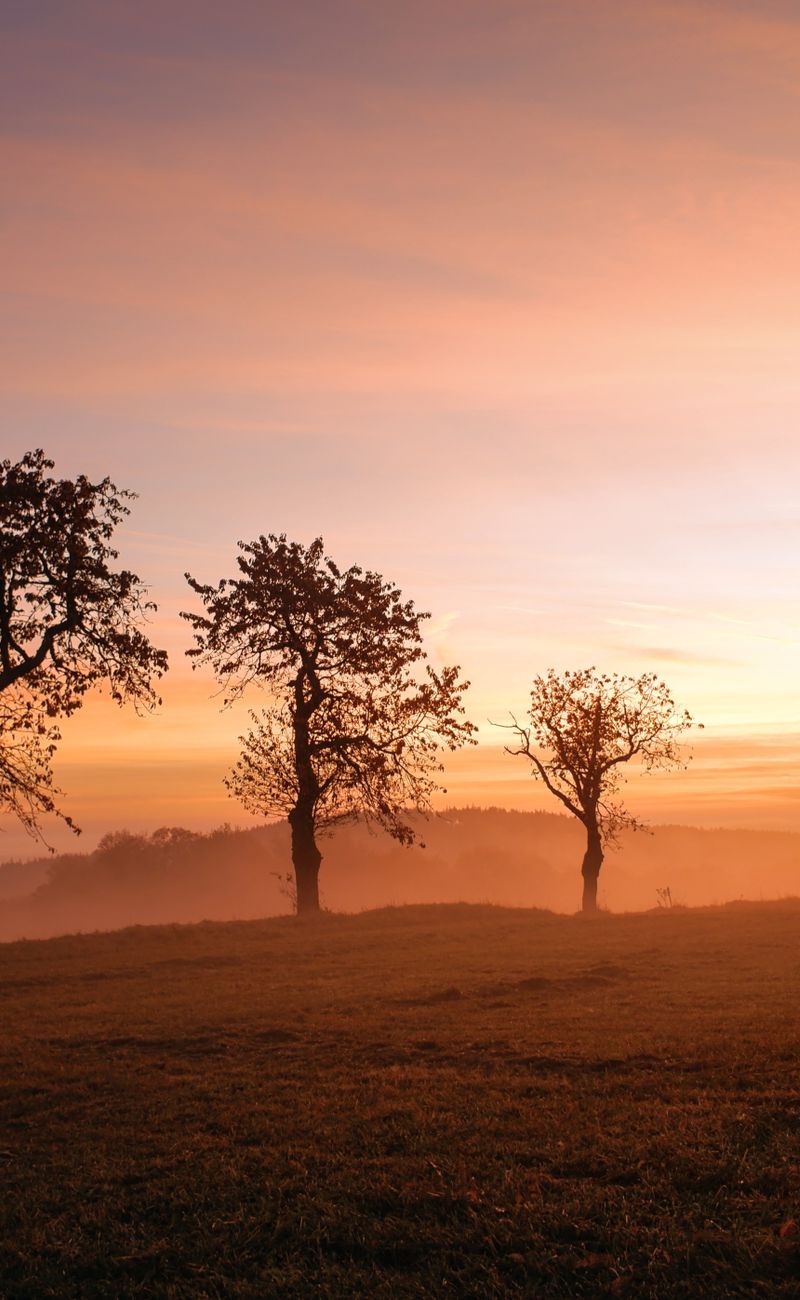
Phase one starts with morning light. Set an alarm for 30 minutes before you normally wake up. When it goes off, do not reach for your phone. Do not turn on the lamp. Go outside. Any outside. Balcony, backyard, sidewalk, it does not matter. Stand there for 10 to 20 minutes. Let your eyes receive the ambient outdoor light. This is not sunbathing. You do not need direct sun. Overcast dawn light works better than midday sun for circadian calibration anyway. Your suprachiasmatic nucleus needs that signal. Darkness to light, abrupt, natural, every day. After two weeks of this, you will notice your energy is different in the morning. After a month, your evening fatigue will hit at a consistent time. This one protocol will change more downstream systems than any supplement stack you could buy.
Phase two is cold exposure. Not a cold shower where you whimper for 90 seconds and then cranked the heat. Actual cold exposure. Start with 30 seconds under cold water at the end of your regular shower. That is it. 30 seconds. Build to 60 seconds over two weeks. Then start extending. The goal is not to suffer. The goal is to activate the mammalian dive response. Cold water on your face triggers a cascade: heart rate drops, blood flow redirects, noradrenaline spikes. You become alert, focused, resilient. If you have access to a lake, river, or ocean, use it. Even in summer. Cold water immersion is the most potent acute stressor you can introduce to your system, and controlled acute stress is how you build biological resilience. No gym membership required. Just water and the willingness to be uncomfortable for 90 seconds.
Phase three is barefoot contact with the earth. You do not need to run a marathon in the woods. You need to stand or walk on natural surfaces with your bare feet. Grass, soil, sand, gravel. Not concrete, not asphalt, not gym rubber. The earth carries a mild negative charge from solar radiation and atmospheric electrical processes. When you make contact, your body equalizes with this charge. The research on this is preliminary but the mechanistic plausibility is solid and the anecdotal reports from people who do this consistently are too consistent to ignore. Start with 10 minutes a day on a patch of grass near your home. Stand, walk, sit. Do not perform. Just exist in contact with the ground. Your nervous system will downregulate. Your inflammation markers will shift. Your sleep will improve. This is not magic. This is your body getting a signal it has been missing for the 23 hours a day you spend insulated from the ground.
The Stacking Protocol: Building a Rewilding Practice That Compounds Over Time
Once you have the morning light, cold exposure, and earthing protocols dialed in, you start layering. The compounding effect is where rewilding becomes transformative. Each protocol amplifies the others. The cold exposure makes you more resilient to temperature variability. The morning light makes your sleep deeper so recovery from everything improves. The barefoot time makes your nervous system more stable so the cold exposure stops feeling so extreme. They are not separate practices. They are one practice with three entry points.
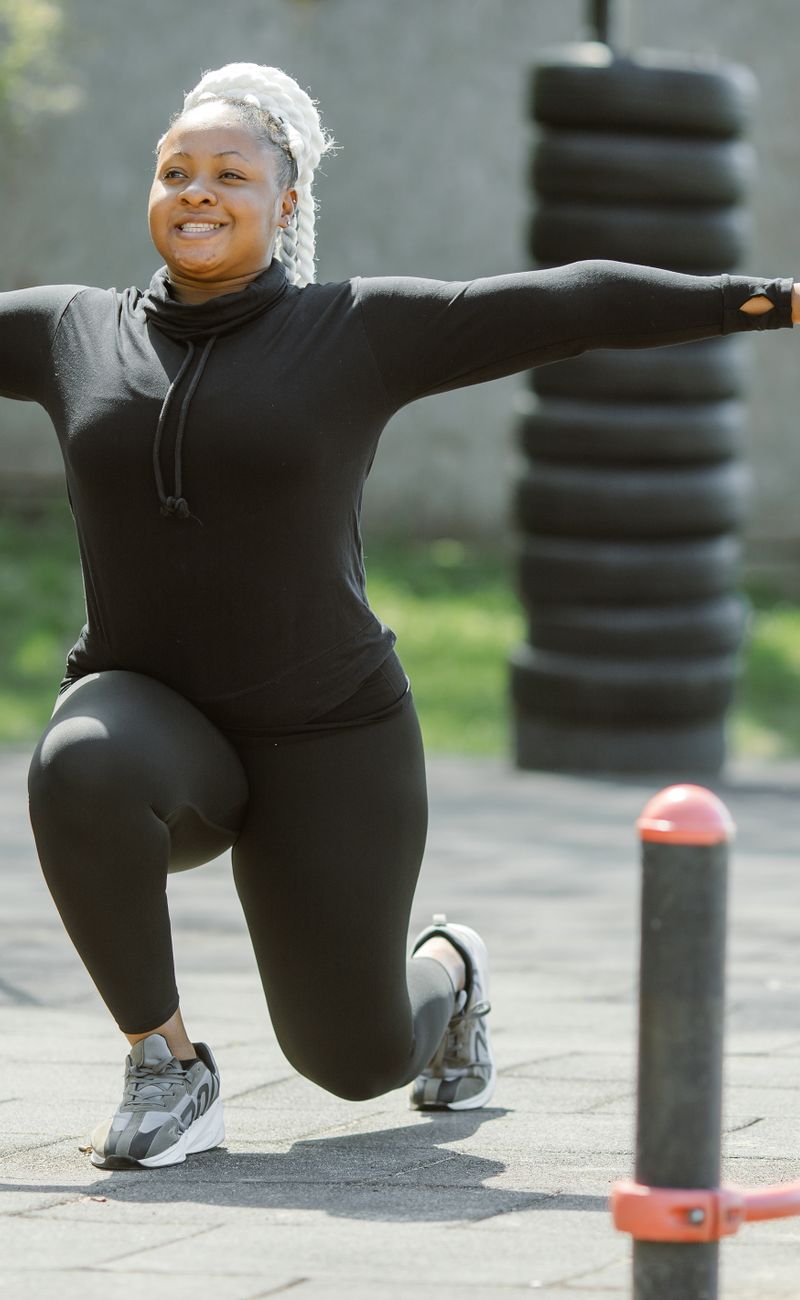
Add natural movement to the stack. Your body was not designed to sit in chairs for 10 hours a day. It was designed to crawl, climb, carry, hang, squat, and sprint on varied terrain. You do not need a CrossFit box or a climbing gym. You need to move like a human animal again. Walk on trails instead of pavement. Carry heavy things. Squat to rest instead of sitting. Climb anything safe to climb. Kids do this naturally until school beats it out of them. Adults have to relearn it. The protocol is simple. Once a week, go somewhere wild and move without structure. No plan. No workout. Just exploration. Your body will remember what it was built for.
Consider seasonal eating as part of your stack. Your grandparents ate differently in summer than in winter. Berries in June. Squash in September. Broth from stored bones in January. Your microbiome expects this. Your metabolic regulation expects this. You are not going to become a subsistence forager overnight, and you should not try to. But you can make small shifts. Buy produce from local sources instead of grocery stores when available. Eat more perishable foods in season. Learn to identify three edible plants in your region. Not because you need to survive in the wilderness, but because eating with the seasons is rewilding at the most fundamental level. You are aligning your consumption with the biological calendar your body still runs on.
Common Mistakes That Will Undermine Your Rewilding Practice
Most people fail at rewilding because they treat it like a project with a finish line instead of a protocol for life. They do a weekend camping trip, post about it, feel like they have accomplished something, and then go back to the same sealed building existence for the next eleven months. Rewilding does not work that way. Your biology does not update from occasional exposure. It updates from consistent exposure over time. The goal is not one dramatic experience. The goal is a fundamental shift in how much natural environment your body receives on a regular basis.
Another mistake is overequipping. People spend $2,000 on hiking gear, buy a $400 sleeping pad, download seventeen trail apps, and then feel like they have already rewilded. Gear is not rewilding. Gear serves rewilding. You do not need anything to stand on grass barefoot. You do not need anything to stand outside at dawn. You do not need anything to walk on trails instead of sidewalks. The protocol does not require equipment. It requires showing up. Get the gear later if you want to extend your range, but start before you are ready. Start with what you have.
A third mistake is treating nature as scenery. Driving to a national park, taking photos from your car, and eating a gas station burrito on a picnic table is not rewilding. That is outdoor tourism. It is fine if that is what you want, but do not confuse it with the protocol. Rewilding requires contact. Sensory engagement. Temperature variability. Microbial exposure. The sun on your skin, the uneven ground under your feet, the cold water shocking your system. You have to actually be in it. You have to let it affect you. Sitting in a climate controlled cabin watching trees through a window is better than your office, but it is not rewilding.
Finally, do not wait for the perfect conditions. The protocol works in rain. It works in cold. It works when you are tired and would rather stay inside. Especially when you are tired and would rather stay inside. Your comfort zone is the thing rewilding is designed to expand. If you only practice when conditions are ideal, you are just seeking pleasure. That is not a protocol. That is a hobby.
Where to Start Right Now: Your 30-Day Rewilding Reset
Here is the protocol. Write it down. Commit to 30 days before you evaluate. Morning light exposure every day, 10 to 20 minutes, within 30 minutes of waking. Cold exposure at the end of every shower, minimum 60 seconds, cold enough that you are breathing hard. Barefoot contact with natural ground, 10 minutes minimum per day. One outdoor session per week that is longer than 30 minutes, no screens, no headphones, no agenda. Eat one seasonal or local food per day that you prepared yourself. That is it. Five protocols. 30 days. Track your sleep, your energy, your mood, your recovery from exercise. The data will tell you whether this works.
Most people who do this protocol for 30 days do not go back to their previous baseline. They cannot. Their body has remembered what it was designed for. The morning light stops being a chore and starts being something you crave. The cold exposure stops feeling like punishment and starts feeling like activation. The barefoot time stops feeling like a chore and starts feeling like the only time your brain actually quiets down. Your system recalibrates. The NPC energy fades. You start making different choices about how you spend your time because your biology is finally getting what it needs.
Rewilding is not about escaping modern life. It is about running modern life on hardware that was built for a different operating environment. Your software has not changed. Your hardware expectations have not changed. What has changed is the input signal. The natural world is still out there. The sun still comes up. The water is still cold. The ground still carries the earths charge. Your body is still waiting for the signal. Time to send it.