SleepMaxx: Nature-Based Sleep Optimization Protocol for Deep Rest (2026)
Discover the ultimate naturemaxxing approach to sleep quality with environmental, physiological, and primal techniques for maximizing deep sleep cycles through science-backed natural protocols.

The Problem Is Not Your Mattress
You have spent $3,000 on a memory foam mattress. You have tried melatonin gummies, magnesium glycinate, lavender essential oil diffusers, blue light blocking glasses, and a white noise machine that sounds like a hotel lobby. Your sleep tracker tells you that your deep sleep percentage is embarrassingly low, your HRV is trash, and you wake up feeling like you got hit by a truck. You are not tired because you lack supplements. You are tired because your circadian rhythm has been shattered by decades of artificial light, climate-controlled bedrooms, and a complete severance from the natural environmental cues that regulate sleep. The solution is not another product. The solution is to rewild your sleep architecture using the protocols that human biology was designed around. This is the complete nature-based sleep optimization protocol for 2026. It is not complicated. It requires no subscription. It requires you to actually interact with the outdoors.
Understanding Your Circadian Biology
Your body runs on a 24-hour clock that is set by environmental signals, primarily light. This is not a metaphor. Your suprachiasmatic nucleus, a small region in your hypothalamus, reads the light spectrum in your environment and tells every cell in your body what time it is. When this clock is aligned with your behavior, you sleep deeply, wake refreshed, have stable energy, and your hormonal systems function properly. When this clock is misaligned, which is the default state for most people living in climate-controlled buildings with unlimited screen access, you experience insomnia, poor sleep quality, metabolic dysfunction, and accelerated aging. The problem is not psychological. The problem is environmental. Your body does not know when to sleep because you have removed the signals that tell it when to sleep.
Light is the primary zeitgeber, or time-giver, for your circadian system. But not all light is equal. Morning light, particularly the deep red and near-infrared wavelengths present in early sunlight before the sun is fully overhead, signals the start of the biological day and initiates cortisol awakening response. Midday light, especially UV and bright blue spectrum, maintains alertness and sets the amplitude of your circadian rhythm. Evening light, particularly the warm red and amber wavelengths that dominate during sunset, signals the transition to biological night and initiates melatonin production. If you are getting bright overhead LED light from your office at 10am and staring at blue-spectrum phone screens until midnight, you are giving your circadian system the equivalent of jet lag every single day. The protocol starts here: you must get morning light and you must eliminate evening light. Everything else in this article is secondary to those two changes.
The Morning Sun Protocol
Wake up and get outside before the sun reaches 30 degrees above the horizon. This is the critical window. In most latitudes in the continental United States, this means before 9am in summer and before 10am in winter. The light during this window is low in the sky, filtered through more atmosphere, and rich in red and near-infrared wavelengths that communicate directly with your mitochondria and your circadian system. You do not need to look directly at the sun. You do not need to sunburn. You simply need to have your eyes exposed to this light with your skin partially uncovered. Standing on your porch for 15 minutes with your face and arms exposed will deliver a stronger circadian signal than any light therapy device you can buy.
The protocol is simple. Wake up. Do not put on sunglasses. Do not go back inside. Get outside and stay there for 20 to 30 minutes. Walk, stand, drink your coffee, read your journal. The key is that your eyes and skin are receiving the light signal. Cloudy mornings are fine. Overcast light is actually closer to the natural spectrum your ancestors woke up to than the direct midday sun. Cold weather is fine. Your ancestors woke up in cold environments. The cold is a signal too, a secondary zeitgeber that reinforces the circadian message. If you live in an urban environment with tall buildings, get to a park, an open street, anywhere with sky exposure. This is not optional. If you are not doing this, your sleep optimization protocol is built on sand.
For those who cannot get outside due to shift work, disability, or extreme weather, use a high lux light therapy lamp within 30 minutes of waking, positioned at least 12 inches from your face with your eyes open. Look toward the light periodically but do not stare. 10,000 lux for 20 to 30 minutes is the standard dose. However, understand that artificial light therapy is a workaround, not the protocol itself. The real protocol is morning sunlight. Everything else is a cope for not being able to get outside.
Temperature: The Forgotten Circadian Signal
Your circadian system does not just respond to light. It responds to temperature as well. Core body temperature follows a predictable 24-hour rhythm, peaking in the late afternoon and dropping to its lowest point in the early morning hours, typically around 4am. This temperature drop is not incidental to sleep. It is causally necessary for sleep initiation and maintenance. When your core temperature is elevated, your sleep latency increases and your sleep quality decreases. When your core temperature drops, your body initiates sleep and deepens it. This is why hot rooms destroy sleep quality and why the traditional advice to keep your bedroom cool is correct, though incomplete.
The complete protocol involves both evening temperature reduction and morning temperature elevation. In the evening, 2 to 3 hours before your target sleep time, you want your core temperature to begin dropping. This is best achieved through exposure to cool air, ideally by stepping outside into the evening temperature. Evenings are cooler than midday regardless of season in most climates. A 20-minute walk outside in the evening accomplishes two things simultaneously: it reduces core body temperature through exertion and ambient exposure, and it eliminates blue light exposure from indoor environments. If you cannot go outside, take a cool shower or bath. The key is the warm water followed by rapid cooling as water evaporates from your skin. This creates a rapid core temperature drop that mimics the natural cooling that occurs after sunset.
Morning temperature elevation reinforces the circadian signal started by light. Your body wakes up in part because core temperature begins to rise. You can accelerate this by exposing yourself to cool or cold water upon waking. A cold water face splash, a cold shower, or if you are ready to ascend, a cold water immersion session. This is not masochism. This is signaling. Cold exposure triggers a sympathetic nervous system response that elevates heart rate, increases cortisol, and raises core body temperature, all of which are part of the natural waking cascade. It also has downstream effects on brown fat activation and metabolic health that improve sleep quality over time. Start with what you can sustain. Protocol adherence beats protocol intensity for most people.
Earthing: The Research on Direct Earth Contact
The concept of earthing, also called grounding, refers to direct physical contact with the earth. Walking barefoot on soil, grass, sand, or concrete. Sitting on the ground. Placing your bare hands on tree bark. The proposed mechanism involves electron transfer from the earth into the body, which may influence inflammatory responses, blood viscosity, and nervous system activity. Research on this is preliminary but not negligible. Several studies have examined grounding during sleep, using conductive mat systems, and found improvements in sleep quality, cortisol normalization, and subjective reports of pain reduction.
The protocol for earthing before sleep is straightforward. In the 1 to 2 hours before bed, go outside if conditions allow and walk barefoot on a natural surface for 20 to 30 minutes. Grass, soil, and sand are all effective. Concrete and brick also conduct, though less efficiently. Asphalt and wood do not conduct. The sensation of walking barefoot on cool earth in the evening is itself a powerful environmental signal that night is approaching. Your ancestors did this every day. Your nervous system recognizes it even if your conscious mind does not.
If outdoor barefoot walking is not feasible due to terrain, weather, or safety concerns, use an earthing mat connected to a grounded electrical outlet. Understand that this is a workaround. The real protocol involves actual earth contact in a natural environment. You are trading the full spectrum of environmental signals for a single variable. This may still be worth doing if the alternative is nothing. But do not mistake the mat for the protocol. The mat is for urban people who cannot get outside. If you can get outside, you should get outside.
Herbal Sleep Stack: The Naturemaxxer Protocol
Herbal support for sleep is not a replacement for circadian hygiene. It is an adjunct. If you are not getting morning sunlight and you are staring at screens until midnight, no herb in existence will fix your sleep. But once you have the light and temperature protocols dialed in, certain plants can support the transition to sleep and improve sleep architecture. The key distinction is between herbs that induce sedation and herbs that support circadian function. You want the latter.
Rehmannia is a Chinese medicinal herb that has preliminary research suggesting it may influence the pineal gland and melatonin production. It is not a sedative. It works downstream of circadian signals. Take 500mg to 1g of prepared Rehmannia root extract 60 to 90 minutes before bed. Magnolia bark contains honokiol, a compound that binds to GABA receptors and may reduce anxiety without the cognitive impairment associated with pharmaceutical hypnotics. Take 200mg to 400mg of Magnolia officinalis extract. Valerian root is the classic sleep herb, with research supporting its use for sleep latency reduction. Take 400mg to 600mg of standardized valerian extract. Passionflower has comparable sedative activity to benzodiazepines in clinical trials with fewer side effects. Take 400mg to 800mg of standardized Passiflora incarnata extract. Ashwagandha, taken at higher doses of 600mg to 1200mg daily, supports overall stress resilience and has downstream effects on sleep quality through cortisol regulation. This one is better used as a morning and evening dose rather than a single dose.
The stack should be taken together, 60 to 90 minutes before your target sleep time. Start with one or two herbs and assess tolerance before adding more. Not every herb works for every person. Rehmannia and passionflower are generally well-tolerated. Valerian has a notable odor that some people find unpleasant. Magnolia bark can cause next-day grogginess in sensitive individuals. Adjust accordingly. Remember that herbs are tools, not solutions. The solution is the behavioral protocol. The herbs support it.
The Camping Reset: Field-Tested Circadian Correction
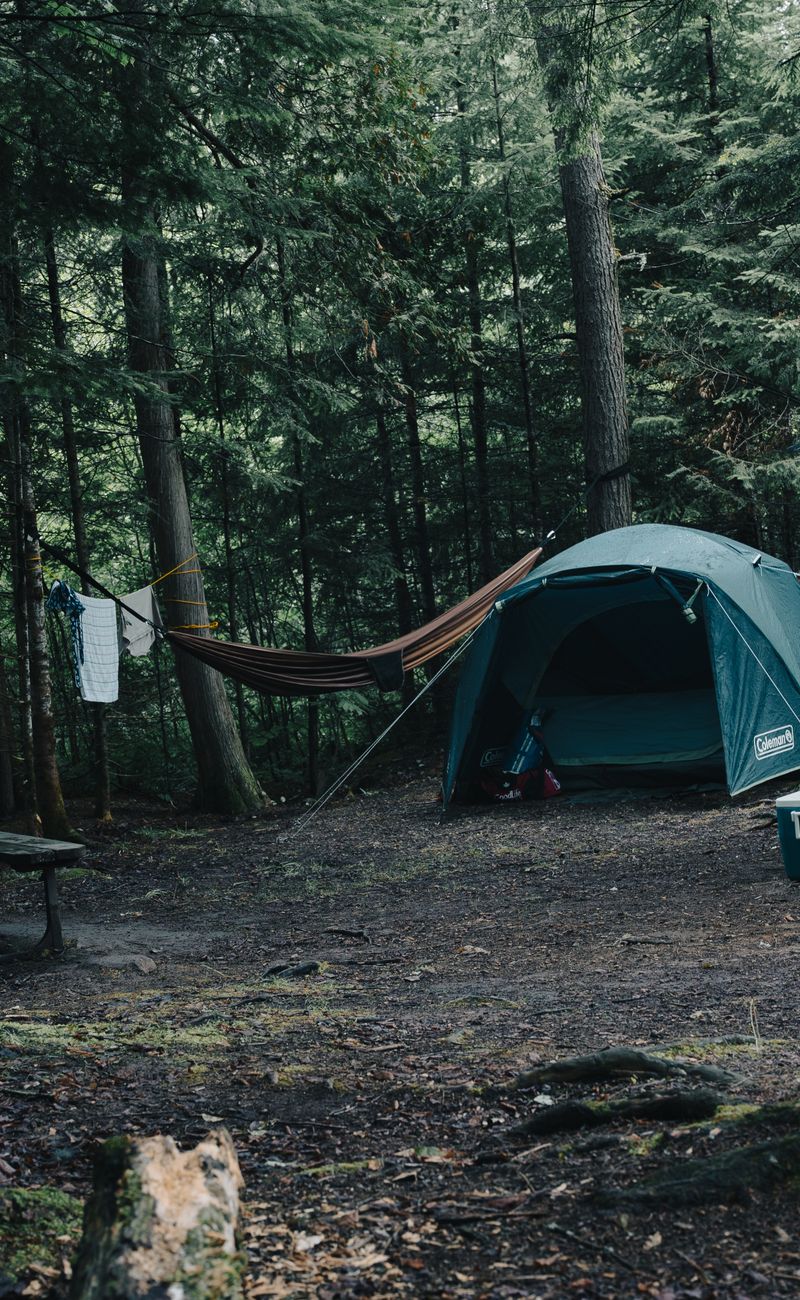
If you have been living with a broken circadian rhythm for years, which is most people, the interventions described above will help but may take time. The fastest reset available is a camping trip. Three nights sleeping outdoors, with no artificial light sources after sunset and no alarm clocks, will typically reset your circadian rhythm to match local solar time. The mechanism is simple. When you are camping, you are exposed to the full environmental signal stack. Morning light, ambient temperature fluctuation, evening darkness, earth contact, and the absence of artificial light at night. Your suprachiasmatic nucleus recalibrates within 48 to 72 hours. Studies on this protocol have shown that participants sleeping under natural light conditions shift their melatonin onset earlier by over an hour, improve sleep efficiency, and report better sleep quality compared to control conditions.
The protocol for a circadian reset camping trip is as follows. Choose a location with minimal light pollution. National forests, state parks, or remote backcountry areas are ideal. Arrive in the late afternoon. Set up camp before sunset. After sunset, use only red-spectrum light. A headlamp with a red filter or a red LED flashlight is sufficient for camp tasks. No phones. No screens. Read by firelight if you need entertainment. Sleep when you are tired. Wake when you naturally wake. Do not set an alarm unless it is for safety reasons. Stay for a minimum of three nights. The first night may involve poor sleep due to unfamiliarity and excitement. The second night typically shows improvement. By the third night, most people are sleeping deeply and waking with the sun. This is not a coincidence. This is your biology remembering what it is supposed to do.
If a multi-night camping trip is not feasible, a single night can still deliver benefit. Even one night of sleeping outdoors, or sleeping with all artificial light eliminated and the bedroom exposed to natural temperature fluctuation, will begin the recalibration process. The protocol is cumulative. Each night you spend sleeping in alignment with your circadian biology reinforces the pattern. Your goal should be to eventually have your indoor sleep environment approximate outdoor conditions as closely as possible.
Building Your Indoor Nature-Sleep Environment
Most people sleep indoors under conditions that are radically divorced from anything resembling nature. Constant temperature, artificial light, synthetic surfaces, and the absence of any environmental variation. You cannot fully replicate the outdoors in your bedroom, but you can move closer to it. Start with light. Eliminate all overhead LED lighting in your bedroom. Replace it with amber-spectrum bulbs, or better yet, use no artificial light after sunset. If you need light for safety, use red-spectrum. Cover or remove all LED indicator lights on electronics. Use blackout curtains or sleep masks to eliminate ambient light pollution from street lamps and neighbors.
Temperature should fluctuate naturally if possible. Open windows at night to let in cool air. Close them and use ventilation or a single fan when temperatures drop too low. Your body does not need to be cold to benefit from nighttime temperature reduction. A 5 to 10 degree drop from daytime to nighttime is sufficient. If you live in a climate where nighttime temperatures remain elevated, use a fan positioned to blow air across your bed and aim for airflow rather than cold air specifically. You can also use a cooling mattress pad, but this is inferior to actual temperature variation. It is a workaround, not the protocol.
Sound environment matters. Natural soundscapes, including crickets, owls, distant water, and wind through trees, are associated with faster sleep onset and better sleep quality compared to silence in several studies. The mechanism involves noise masking of startle-inducing sounds and the activation of parasympathetic nervous system states associated with nature exposure. Use a nature soundscape recording at low volume if your environment is noisy. White noise and pink noise are functional alternatives but are not nature-based. They work through the same masking mechanism but lack the additional psychological benefits associated with nature sounds.
Your sleep surface should allow for some earth connection if possible. A wood floor with a natural fiber rug is more grounding than a carpet over plywood over concrete. An organic cotton or wool mattress with natural latex or horsehair layers provides breathability and temperature regulation that synthetic materials cannot match. This is not about luxury. It is about reducing the insulation between your body and the earth environment. Metal bed frames connected to a grounding rod provide the most direct earth connection, but most people will not go this far. A natural fiber rug over a wood floor is a reasonable compromise that most people can implement without significant expense.
Consistency Is the Protocol
Everything described in this article works. Morning sunlight exposure, temperature cycling, evening earthing, herbal support, and camping resets all influence sleep biology in measurable ways. But they only work if you do them consistently. Sleep optimization is not a one-time fix. It is a daily practice. You do not get to do the camping reset once and then return to a life of midnight screen time and expect your circadian rhythm to hold. Your biology is constantly being recalibrated by your environment. You are either providing it with accurate environmental signals or you are not. There is no neutral. There is no vacation from circadian hygiene. The people who sleep well naturally are the people who have accidentally built their lives around the protocols described here. If you are not one of those people, you have to build it intentionally.
Start tonight. Get outside in the morning tomorrow. Eliminate screens after sunset. Open your windows. Walk barefoot in the grass. Take your herbs. This is not about perfection. It is about direction. Each step you take toward a more natural relationship with light, temperature, earth, and time will compound. Three months from now, if you stick with this protocol, you will sleep like your ancestors did. Deep, restorative, and aligned with the planet you evolved to live on.