Natural Sound Frequencies for Deep Sleep: Nature's Sleep-Optimizing Protocol (2026)
Explore how specific natural sound frequencies,from forest ambience to ocean waves,optimize sleep architecture and promote deeper, more restorative rest through naturemaxxing techniques.
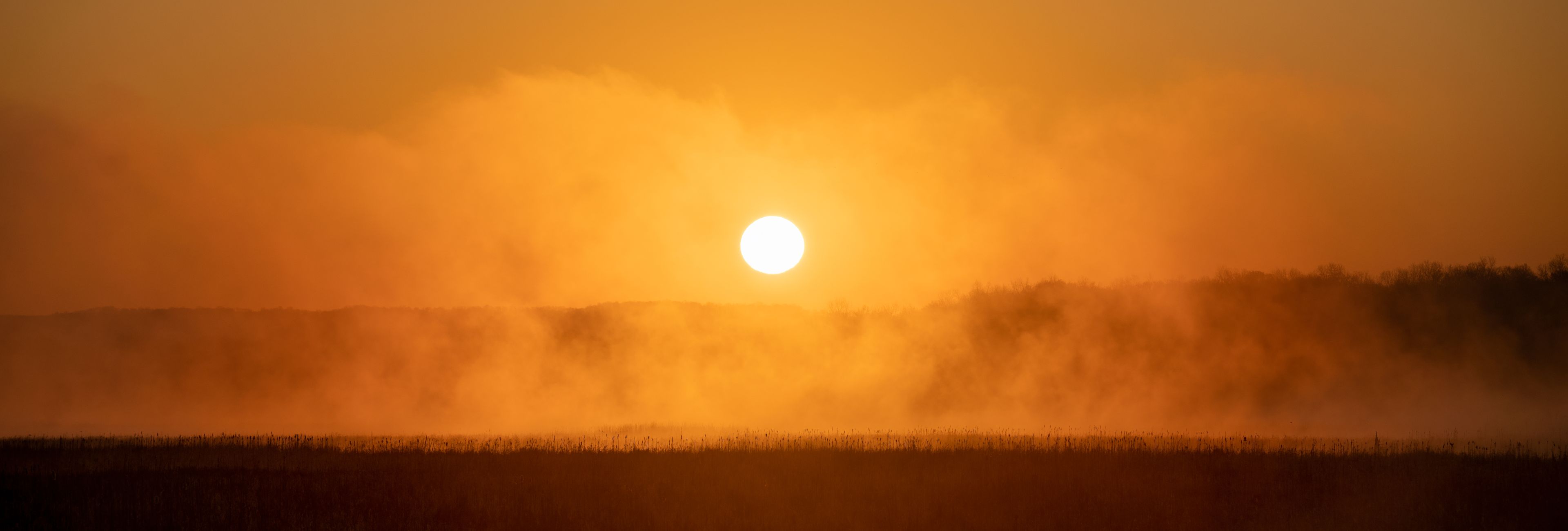
Your Bedroom Has the Wrong Sound Environment
You have spent hundreds of dollars on a mattress that costs more than your first car. You have blackout curtains, a cooling pad, and a supplement stack that would make a pharmacist nervous. Yet you still lie awake at 2am staring at the ceiling, counting hours until your alarm ruins whatever REM cycle you managed to cobble together. The missing variable is not your bedding or your magnesium glycinate. It is the sound environment you have constructed around your sleep. Your bedroom is too quiet or filled with the wrong frequencies. Traffic noise, HVAC hum, a partner snoring, the refrigerator's compressor cycling on and off every fifteen minutes. These are the frequencies your nervous system interprets as threat. They keep your amygdala slightly active, your cortisol slightly elevated, and your sleep architecture fragmented. Nature's sound frequencies do the opposite. They activate the parasympathetic nervous system, lower cortisol, and give your brain the acoustic environment it evolved to sleep in for hundreds of thousands of years. This is the protocol to build that environment and finally sleep like you are backcountry camping after a 20-mile day.
The Biology of Natural Sound Frequencies and Sleep
Your auditory system did not evolve in silence. The ancestral sleep environment was never quiet. There was wind through trees, water flowing over rocks, distant animal calls, rain on leaves, the low hum of insects at dusk. Your brain developed its sleep architecture in the presence of these sounds and interprets them as safety signals. When you remove all sound or introduce artificial frequencies, something in your nervous system registers the absence as wrong. Studies on sleep quality in natural versus urban environments consistently show that participants sleeping near natural water sources or forests fall asleep faster and achieve deeper REM cycles. Researchers initially attributed this to air quality or reduced light pollution. The sound environment is a significant variable that gets underreported because it is harder to measure and monetize. Natural sounds exist across specific frequency ranges that correspond to the brain states required for deep sleep. The human ear hears frequencies from 20Hz to 20,000Hz. Sleep-inducing natural sounds cluster in the 100Hz to 500Hz range, with certain delta wave frequencies around 0.5Hz to 4Hz that your brainwave activity naturally synchronizes with during deep sleep onset. This phenomenon is called auditory driving. When your brain hears rhythmic low-frequency sounds that match the tempo of your brainwaves during specific sleep stages, it accelerates the transition into those states. A rainstorm at the right intensity is a delta wave generator. A stream at the right flow rate is a theta wave inducer. This is not mysticism. This is acoustic biology. Your nervous system is an instrument that responds to its environment, and you have been playing it in the wrong key for your entire city-dwelling life.
The Four Frequency Bands That Govern Sleep
Understanding which natural sound frequencies correspond to which sleep stages is the difference between playing nature recordings and running an actual protocol. There are four frequency bands that matter for sleep optimization. Delta waves range from 0.5Hz to 4Hz. This is the deep sleep band. During delta-dominant sleep, your body repairs tissue, your immune system consolidates, and your brain clears metabolic waste through the glymphatic system. Natural sounds that fall into the delta range are slow, deep, and often below conscious hearing. You feel them more than hear them. The low rumble of distant thunder, ocean waves washing up on shore at long intervals, deep cave drips in underground river systems. These sounds do not need to be loud. They need to be rhythmic and present. Theta waves range from 4Hz to 8Hz. This is the transition band between wakefulness and sleep, the hypnagogic state, the place where creativity spikes and deep relaxation begins. The theta range is where you want to spend the minutes between lying down and losing consciousness. Natural sounds in the theta range are gentler streams, wind through tall grass, owl calls at distance, the soft patter of light rain on a canvas tent. Alpha waves range from 8Hz to 14Hz. This is the relaxed wakefulness band. The state you want to cultivate in the hour before bed. Natural sounds in the alpha range include birdsong at moderate distance, a crackling fire at low volume, wind through pine needles. Beta waves range from 14Hz to 30Hz. This is your alert, active, thinking state. You want this during the day and you want to leave it behind before bed. Natural environments do not create beta-dominant soundscapes. They create alpha and theta environments that pull your nervous system out of beta dominance. The protocol is simple: spend your pre-sleep hours in an alpha-dominant natural soundscape, then transition to a theta-dominant soundscape as you approach sleep onset, and let the delta frequencies from deep natural soundscapes sustain your deep sleep cycles through the night.
The Nature Stack for Sleep: Sounds to Build Your Protocol
Not all nature recordings are created equal. The $10 white noise machine on your nightstand produces frequencies that are technically soothing but are acoustically sterile. They lack the harmonic complexity, the micro-variation, the rhythmic irregularity that keeps your brain engaged at the threshold of perception without activating it. This is the difference between a recording of a single waterfall and the full acoustic environment of a forest after rain. The forest has overlapping layers. Water at different distances creates different frequency signatures. Birds move through the acoustic field creating directional variation. Wind affects multiple elements simultaneously with slight timing differences. Your brain processes this complexity without effort and finds it safe, interesting enough to keep the auditory cortex slightly active but not stimulated enough to trigger alertness. The best natural sound categories for sleep are as follows. Rain on forest canopy is the gold standard. The variation in drop size hitting leaves at different heights creates a full-spectrum acoustic environment that covers multiple frequency bands simultaneously. Rain on a tent or a roof captures the lower frequencies. Rain in a forest captures everything. Ocean waves are powerful but require the right recording. A close-miked wave recording is too dynamic, the silence between waves too long for sustained sleep. You want ocean sounds at medium distance, where the wave energy is spread across a broader frequency range, where there is a continuous low-level presence of water movement. Forest streams at moderate flow rates hit the theta band perfectly. The bubbling, overlapping frequencies of water over rocks create a rhythmic, hypnotic pattern. Small waterfalls at distance, creek beds, the sound of water moving through gravel. These are the sounds your nervous system reads as safety and abundance. A water source at night is one of the oldest survival reassurance signals in the mammalian brain. Wind through trees, particularly conifers, creates a sustained low-frequency presence that is excellent for the alpha transition period. Pine needles have a specific acoustic signature, a slight rustle and hiss that sits in the 200Hz to 400Hz range. Wind on a deciduous forest is more dynamic, leaves creating sharper transient sounds. Use conifer recordings for the hour before bed when you want sustained alpha. Use deciduous recordings for the transition into theta. Night insects in a meadow, particularly crickets and katydids, create a sustained mid-frequency drone that is incredibly effective for sleep onset. This is the sound of a safe night environment. No predators vocalizing, food sources quiet, the insect chorus signaling that the ecosystem considers it safe to be still. Frog ponds with moderate diversity, the overlapping calls creating a natural ambient pad. Owl calls at distance, the occasional whooping, break up the sustained insect drone without creating alarm. Thunderstorms at distance, not close enough to startle, just enough rumble to activate the delta frequencies. Fire crackling at low volume is underused. The random crackle and pop, the sustained warmth of combustion sounds, is one of the most effective alpha-inducers available. Your brain reads fire as safety, warmth, and the presence of a community. Play it in the thirty minutes before bed for maximum effect.
The Evening Sound Protocol: Building Your Sleep Soundscape
You need a multi-stage approach to your evening sound environment. This is not a single recording played on shuffle. This is a protocol that mirrors the natural progression from day into night. Two hours before bed, begin your alpha-dominant phase. Start with fire sounds or conifer wind at low volume. 30 to 40 percent volume on whatever playback system you are using. The goal is presence, not immersion. You want the sound in the background of your activities. Reading, preparing your sleeping area, light stretching, whatever your evening routine looks like. This phase should also include birdsong if possible. During this transition window, birdsong creates a sense of ongoing daylight that helps your circadian rhythm register the light dimming happening in the room. As you move into the final hour before sleep, transition from alpha to theta. Move from fire sounds to stream or light rain on forest canopy. Decrease volume slightly. You are signaling to your nervous system that the active day window is closing, that the safe low-activity period is beginning. When you lie down, maintain the theta-dominant soundscape. A consistent stream, light rain, or sustained insect drone at very low volume. You want the sound present without being prominent. If you are using earplugs, run the soundscape at a level where you can still hear it. If you sleep with a partner who does not want sound, use directional speakers, bone conduction sleep headphones, or a pillow speaker. The goal is acoustic coverage of your immediate environment without intruding on the person next to you. During the night, if you wake, have a backup soundscape ready. Many people wake between sleep cycles and cannot fall back asleep because the silence feels threatening or the ambient sounds have changed. Having a consistent, unbroken natural soundscape running through the entire night means that your sleep environment does not change. You wake up, the stream is still there, the rain is still there, your nervous system knows it is still safe, and you fall back into the next cycle without full arousal. This is the key to uninterrupted deep sleep. Not just falling asleep, but staying in the acoustic environment that allows continuous cycling through the stages.
Field Testing and Troubleshooting Your Sleep Soundscape
Not every recording works for every person. This is where field testing comes in. Download multiple recordings of each sound type. Rainforest, temperate forest, conifer forest, deciduous forest, mountain streams, lowland streams, ocean at distance, ocean close. Test each one for two to three nights and track your sleep quality. You are looking for three variables. First, how quickly do you fall asleep. Second, how many times do you wake during the night. Third, how rested do you feel in the morning. Some people sleep deeper to rain on tent canvas. Some find the higher frequencies of rain on leaves irritating. Some people need the full stereo spread of a forest environment. Some people sleep better with a single localized source like a small fountain next to the bed. The protocol is the framework. The specific sounds are your calibration. Common mistakes with this protocol include volume too high, which stimulates rather than soothes. Volume should be present but not intrusive. If you have to raise your voice to talk over it, it is too loud for sleep. Another common mistake is using recordings that are too dynamic. A recording with dramatic peaks and valleys, long silences punctuated by loud sounds, is worse than silence. Look for recordings with consistent levels and natural variation. The insect drone should be continuous. The rain should be sustained. The stream should flow without dramatic interruptions. Duration matters too. Short loops under five minutes are useless. You will hear the loop point and your brain will categorize the recording as artificial. Find recordings that are at least thirty minutes, preferably an hour or longer, or use a streaming source that does not loop. A live rain stream or a dedicated nature audio source that runs continuously is ideal. Finally, consider the temperature of your sound environment. Natural sounds at night often come with implied temperature. A winter forest recording may create a slightly uncomfortable cognitive dissonance if you are sleeping in a warm room. Match your sound environment to your thermal environment. Summer forest sounds for warm sleep conditions. Autumn creek sounds for cooler conditions. Let the sound reinforce the physical reality of your sleeping environment.
The Return to the Original Sleep Environment
Your ancestors did not need a sleep optimization protocol. They simply went to sleep in the environment their bodies were designed for. The sounds were there without arrangement. The temperature dropped without climate control. The light changed without blackout curtains. You are not trying to recreate the difficulty of premodern life. You are trying to recreate the acoustic conditions that let your nervous system do what it evolved to do. Sleep in the presence of low-frequency, rhythmically complex, non-threatening natural sounds. The protocol works because it is not a hack. It is a return to defaults. Your brain knows what to do with a rainstorm. It knows what to do with a stream at night. It knows what to do with the sound of the forest breathing around you. The reason you sleep better camping than you do at home is not the mattress or the temperature. It is the sound environment. You can have that every night. Build your soundscape, test your recordings, dial in your protocol, and give your nervous system the acoustic safety it has been asking for since you moved into the city. The forest has been playing the same lullaby for a million years. It is time to fall asleep to it.