Breathwork in Nature: Pranayama Techniques for Mental Clarity (2026)
Discover how practicing pranayama and conscious breathing outdoors amplifies mental clarity, reduces anxiety, and activates your parasympathetic nervous system for deep restoration.

Why Your Breathwork Protocol Belongs Outside
Every person practicing breathwork in a studio, a yoga studio, or their living room is working at maybe 60 percent capacity. The techniques are correct. The intention is there. But they are missing the variable that changes everything: the natural environment. Breathwork in nature is not the same practice transported outdoors. It is a fundamentally different protocol with different results. The air composition is different. The acoustic environment is different. The electromagnetic field of the earth is different. The psychological state induced by natural surroundings is different. When you combine pranayama techniques with exposure to the outdoor environment, you get an amplification effect that no closed room can replicate.
Your lungs were not designed for recycled indoor air. Your respiratory system evolved over millions of years to function in environments with variable humidity, temperature, altitude, and air pressure. The practice of pranayama, which originated in outdoor settings before air conditioning and sealed buildings, assumes access to this natural air. Modern practitioners have largely ignored this context. They practice in climate controlled rooms with filtered air and wonder why the results feel muted compared to what the texts describe. The answer is simple: you cannot replicate the wild stack of natural air, ambient sound, and earth energy in a studio environment.
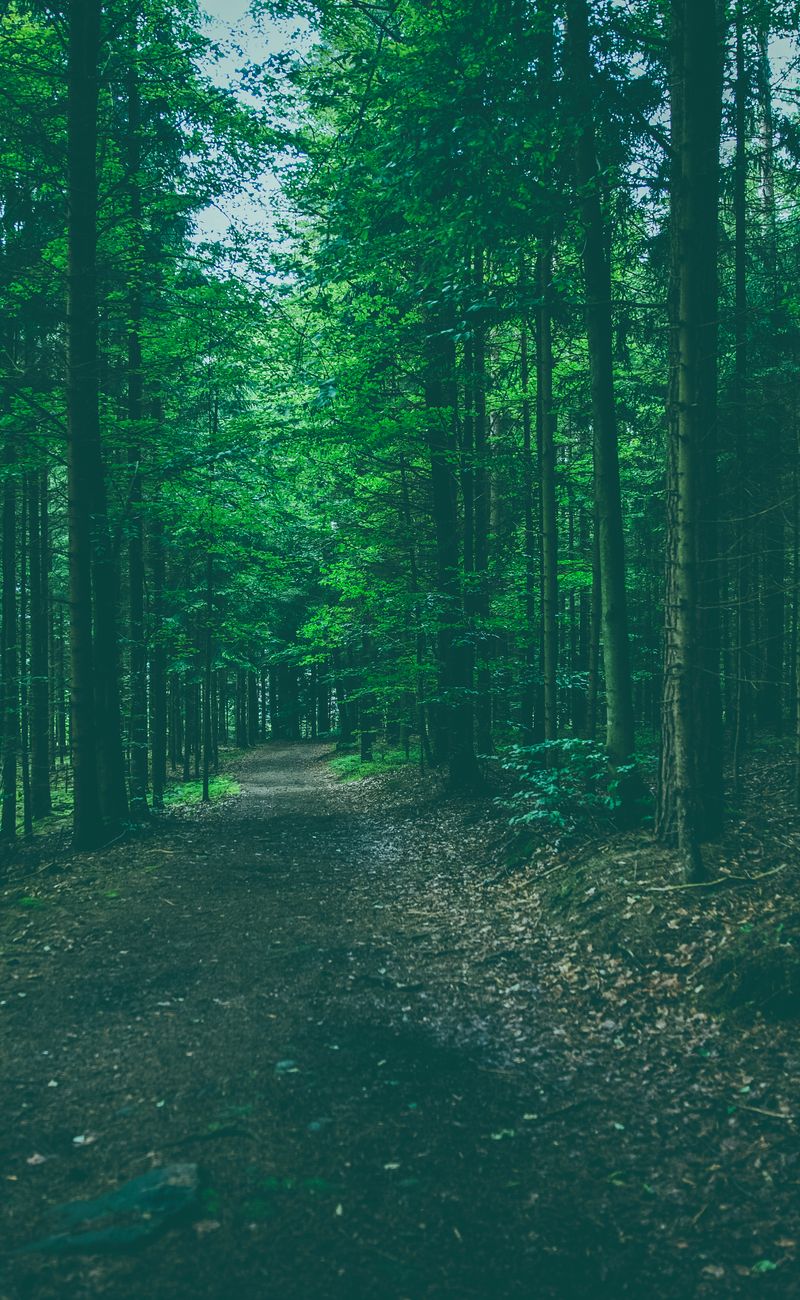
Mental clarity is not a mysterious state that descends from the heavens. It is a physiological outcome of specific conditions in your body and brain. Proper oxygenation, carbon dioxide tolerance, vagal nerve stimulation, and parasympathetic nervous system activation all contribute to the clarity you seek. Pranayama techniques are designed to create these conditions. But the natural environment accelerates and deepens each of these mechanisms. When you breathe in cold air at elevation, your lungs work harder, your circulation engages more completely, and your nervous system responds with heightened alertness. When you breathe in forest air, the phytoncides from trees stimulate your immune system and reduce cortisol. These are not placebo effects. These are documented responses that complement and enhance your breathwork practice.
The Physiological Foundation: What Happens During Pranayama in the Wild
Before you learn the techniques, you need to understand why they work differently outside. During controlled breathing practices, you manipulate the ratio of oxygen to carbon dioxide in your blood. Extended exhales trigger the parasympathetic nervous system, reducing heart rate and promoting relaxation. Breath holds increase CO2 tolerance and expand your lungs' gas exchange capacity over time. But when you perform these same practices in nature, additional mechanisms engage that do not activate in indoor settings.
Cold air inhalation, which naturally occurs when you practice outdoors in any season except peak summer heat, stimulates the vagal nerve through the trigeminal nerve pathway in your nasal passages. This creates a deeper state of parasympathetic activation than breathing cold air indoors because your body also registers the ambient temperature differential across your skin, creating a whole body relaxation response. Forest environments provide alpha pinene and other volatile organic compounds that cross the blood brain barrier and promote calm alertness. Water nearby, whether a river, ocean, or lake, creates negative ions that improve oxygen absorption in your lungs. Elevation, even modest gains of 1,000 to 3,000 feet above sea level, increases atmospheric pressure changes that deepen each breath and require your respiratory system to work more efficiently.
The acoustic environment matters as well. Nature sounds, from birdsong to flowing water to wind through trees, operate at frequencies that research suggests promote theta brainwave activity associated with meditative states. This is not new age speculation. This is the same reason people report feeling calmer in natural settings versus urban environments. Your nervous system recognizes these sounds as safe, non threatening, and associated with favorable conditions for rest and recovery. When you layer pranayama practice on top of this neural priming, you accelerate the onset of the mental clarity you are seeking.
Nadi Shodhana: Alternate Nostril Breathing for Circadian Reset
Nadi shodhana, also known as alternate nostril breathing, is the foundational pranayama technique for mental clarity and should be your entry point if you are new to breathwork. The practice balances the left and right hemispheres of your brain, regulates the autonomic nervous system, and prepares your mind for focused work or deep rest depending on how you modulate the ratios. In nature, this technique gains an additional dimension because you are breathing real air while performing the balancing work.
The protocol for nadi shodhana in nature differs slightly from indoor practice to account for environmental variables. Begin by finding a seated position on the ground, ideally on a rock, log, or natural surface rather than a mat on the ground. Place your hands in a comfortable position, with your right hand available for the nasal technique while your left hand rests on your knee or thigh. Close your eyes and take three natural breaths to establish your baseline rhythm and acclimate to the outdoor environment. The temperature, the sounds, the ground beneath you, all of these inputs should register before you begin the structured practice.
Using your right hand, close your right nostril with your thumb. Inhale slowly through your left nostril for a count of four. Hold your breath with both nostrils closed for a count of four. Release your thumb and close your left nostril with your ring finger. Exhale through your right nostril for a count of eight. Inhale through your right nostril for a count of four. Hold with both closed for a count of four. Release your ring finger and close your right nostril again. Exhale through your left nostril for a count of eight. This completes one round. Practice this for ten rounds in your first session, then increase to twenty rounds as your practice develops. The extended exhale to a ratio of 1:2 triggers the parasympathetic response that creates the mental clarity effect.
Perform nadi shodhana facing east in the morning for maximum benefit, or facing any direction in forest settings where light is diffused through the canopy. The practice works best when you synchronize it with your circadian rhythm rather than treating it as a time isolated from your biological clock. Morning practice sets the tone for the day. Evening practice, which should be gentler with longer holds, prepares your nervous system for rest. In nature, the ambient light cues reinforce your circadian timing, making the practice more effective than the same protocol performed under artificial lighting.
Kapalabhati: Skull Shining Breath for Alertness and Energy
Kapalabhati is the pranayama technique for when you need energy, mental sharpness, and metabolic activation. It is a forceful practice that belongs outdoors for two reasons. First, the intensity generates significant heat in your body, and outdoor temperatures help regulate this thermal load more effectively than a stuffy studio. Second, the forceful exhalations clear your respiratory passages of accumulated mucus and debris, which is far more satisfying when you are breathing fresh outdoor air rather than stale indoor air.
The protocol begins with a comfortable seated position, spine tall, shoulders relaxed. Take two preparatory breaths of normal depth. Then begin the active phase. Exhale sharply through your nose, driving your belly rapidly inward toward your spine. The inhalation is passive, relaxed, allowing your belly to spring back naturally. Do not force the inhale. The power is in the exhale. Begin at a moderate pace of one exhale per second, approximately sixty breaths per minute, and work up to faster rates as your practice develops. After a round of thirty to fifty breaths, pause and breathe naturally for a full minute. Observe the sensations in your body and the state of your mind. This pause is not optional. It is where the integration happens.
Repeat for three rounds total in your initial practice. Experienced practitioners can extend to five rounds. The mental clarity effect comes from two mechanisms. The first is increased oxygen delivery to the brain from the rapid respiratory cycling. The second is the stimulation of the sympathetic nervous system, which paradoxically creates a state of alertness that feels calm rather than anxious. This sympathetic activation followed by the natural parasympathetic rebound after the practice creates a neurological state of refreshed alertness that no amount of coffee can replicate.
Practice kapalabhati in the morning to replace your coffee, before physical activity to prime your respiratory system, or when you need to break through mental fog in the afternoon. Do not practice this technique close to bedtime unless you are trying to reset your sleep cycle, as the alertness it generates can interfere with sleep onset if performed within two hours of when you plan to lie down. In nature, this practice pairs well with cold water exposure. Alternate three rounds of kapalabhati with a brief cold water immersion, and you have a complete natural stack for energy and mental clarity that requires no equipment and no supplements.
Bhastrika: Bellows Breath for Full Respiratory Activation
Bhastrika, often called bellows breath, is the most powerful pranayama technique for mental clarity when performed correctly. It is also the most misunderstood. Most people perform it too fast, too shallow, and miss the depth that makes it effective. In nature, with unlimited air supply and temperature variation, you can practice bhastrika as it was designed to be practiced.
The difference between bhastrika and kapalabhati is the depth of the breath. Kapalabhati uses short, sharp exhalations with passive inhalations. Bhastrika uses full, deep inhalations and forceful exhalations, both driven by the diaphragm. The breath should feel like you are filling your lungs completely and then emptying them completely on each cycle. The bellows analogy is accurate: you are working your respiratory system like a blacksmith's bellows, driving maximum air exchange.
The protocol starts with a comfortable seated position, hands on your knees, spine vertical. Take one deep preparatory breath. Then begin. Inhale deeply through your nose, expanding your belly fully, your chest fully, your upper chest fully. The inhale should be as powerful as the exhale. Exhale forcefully through your nose, contracting your belly hard, pushing all the air out. The exhale should be loud enough that you can hear it clearly. Begin at a pace of one breath per second, approximately forty breaths per minute, and maintain this rhythm for the full round. After twenty breaths, take one deep breath in and hold it for ten to fifteen seconds. Exhale and breathe normally for a full minute. Observe your mental state during this recovery period. The clarity, the brightness, the heightened awareness you feel is the bhastrika effect.
Perform three rounds maximum. More than this is not beneficial and can cause hyperventilation symptoms. In nature, you will notice that the practice feels different from indoor attempts. The cold air you inhale feels sharper. The warm air you exhale dissipates into the environment rather than filling a small room. Your body registers these inputs and responds with a deeper engagement of the respiratory system. You are not just doing breathwork. You are doing a full respiratory workout that your lungs, diaphragm, and intercostal muscles remember from ancestral times when this kind of breathing was necessary for survival. Your body responds with a sense of aliveness and presence that translates directly to mental clarity.
Pranayama at Elevation: The Advanced Protocol
Elevation changes everything about breathwork practice. At altitude, the partial pressure of oxygen is lower, which means each breath delivers less oxygen to your blood. This sounds like a disadvantage, but it is actually a training opportunity. Your respiratory system adapts to elevation by increasing its efficiency, expanding your lung capacity, and improving your oxygen utilization over time. Practitioners who train at elevation report sustained mental clarity that lasts far longer than sea level practitioners experience.
If you have access to elevation, even modest gains of 2,000 to 5,000 feet, incorporate it into your pranayama practice. The protocol for altitude pranayama differs from sea level practice because you must respect the physiological constraints imposed by reduced oxygen availability. Begin with nadi shodhana at elevation, which is safe and beneficial even with reduced oxygen. The extended holds, which would be easy at sea level, become training tools at elevation because your body learns to function with less oxygen during the breath holds, then overcorrects during the recovery breath, increasing your overall oxygen tolerance.
Avoid practicing kapalabhati and bhastrika at elevation until you have spent at least a few days acclimatizing to the altitude. The high metabolic demand of these techniques combined with reduced oxygen availability can cause dizziness, nausea, and in extreme cases, loss of consciousness. Respect the mountain. The mountain does not care about your breathwork protocol. When you earn the right to practice these techniques at elevation through proper acclimatization, the results are significantly amplified. Mental clarity at 8,000 feet feels different from mental clarity at sea level. It is sharper, more sustained, and accompanied by a physiological lightness that practitioners consistently describe as different in quality from any other state they have experienced.
Building Your Nature Pranayama Stack
Single techniques are useful. Stacks are transformative. The real protocol for breathwork in nature involves layering techniques to create a complete practice that addresses multiple physiological systems simultaneously. Here is the morning stack that experienced practitioners use to start their day with sustained mental clarity.
Begin with three rounds of bhastrika to activate your respiratory system and generate heat in your body. This replaces the need for warm up exercises because your lungs, diaphragm, and chest wall will be fully engaged. Follow immediately with five rounds of nadi shodhana to balance your nervous system and transition from sympathetic activation to parasympathetic recovery. Finish with five minutes of slow, deep natural breathing, eyes open, observing the natural environment around you while maintaining your breath awareness. The transition from formal practice to open awareness is where the mental clarity becomes sustainable throughout the day.
For evening practice, replace bhastrika with extended nadi shodhana using longer breath ratios. Inhale for five counts, hold for ten, exhale for ten. This activates the parasympathetic nervous system deeply and prepares your body for sleep while simultaneously clearing mental fog accumulated during the day. The evening stack should be performed as the sun sets, allowing the declining light to reinforce your circadian timing. Your body learns to associate this practice with the transition to nighttime physiology, and your sleep quality improves as a result.
The nature pranayama protocol is not complicated. The techniques are straightforward, the equipment is free, and the environment is accessible to anyone willing to walk outside and sit down. What is difficult is the consistency. Practitioners who perform these protocols daily report sustained mental clarity, improved emotional regulation, better sleep, and a baseline sense of calm that does not fluctuate with external circumstances. Your breath is always with you. The outdoor environment is always available. The only variable is whether you show up and do the work.