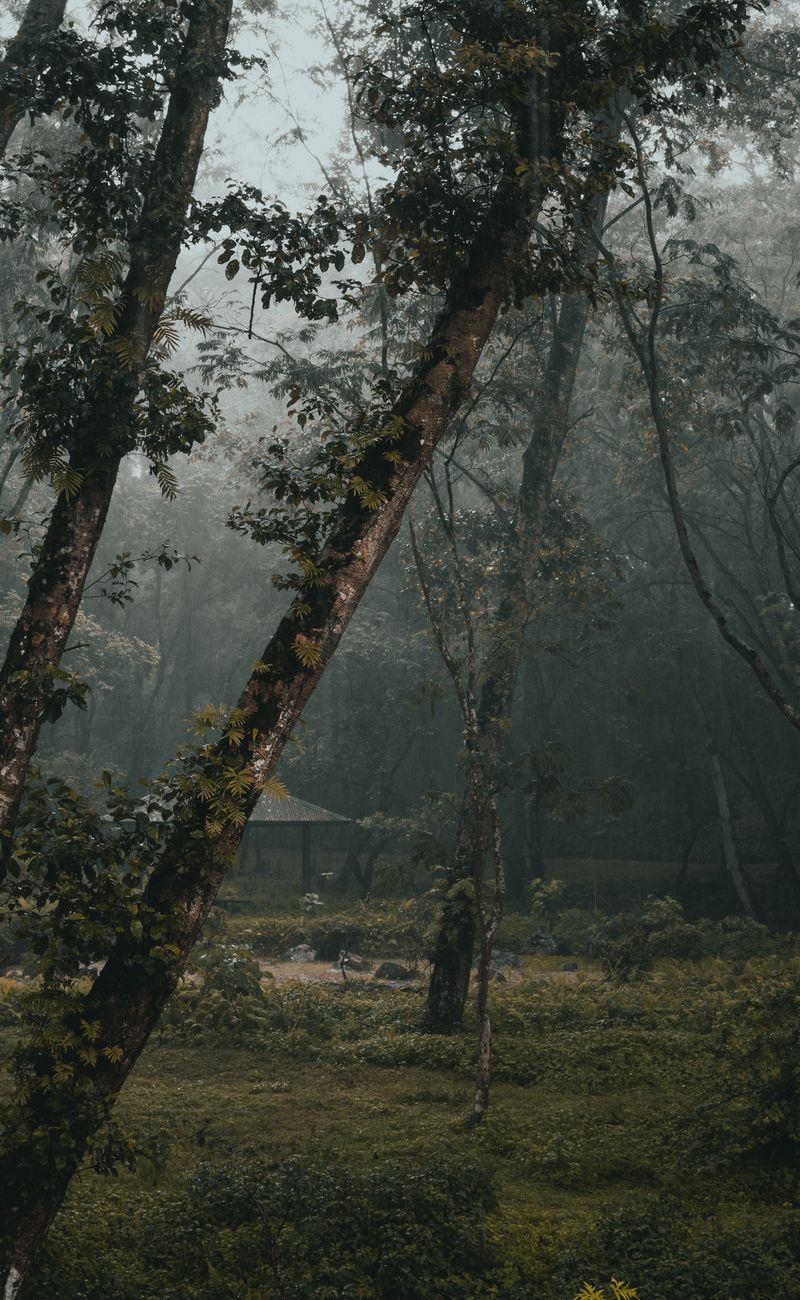
Shinrin-Yoku for Skin: The Forest Bathing Protocol for Clear, Radiant Complexion (2026)
Discover how regular Shinrin-Yoku sessions directly improve facial skin quality, reduce systemic inflammation, and enhance natural attractiveness through evidence-based forest bathing protocols.

Your Skin Has a Communication Problem With Your Immune System. The Forest Fixes It.
Your skin is not a cosmetic problem. It is a biological readout of everything happening beneath the surface: your stress load, your inflammation levels, your immune function, your cortisol regulation, your gut-skin axis, your circadian rhythm. Every breakout, every dry patch, every dullness, every early wrinkle is data. Your skin is telling you something is out of balance, and your response is probably a 12-step topical regimen that addresses the symptom while ignoring the cause.
The cause is usually this: you live indoors, you breathe recycled air, you touch nothing natural, you receive no phytoncides, and your immune system has no reference point for what a healthy environment actually is. Your skin never gets to recalibrate. The forest changes that. Not as a spa treatment. Not as wellness theater. As a genuine biological intervention that restarts the conversation between your skin and your environment.
Shinrin-Yoku, the Japanese practice of forest bathing, is not about hiking a trail or snapping a photo. It is a structured engagement with the forest environment for the purpose of receiving its biological benefits through all your senses. Decades of research from Japanese universities and international health institutions have documented what happens in your body during sustained forest exposure: reduced cortisol, reduced inflammatory markers, increased natural killer cell activity, reduced blood pressure, improved mood, and notably for our purposes, measurable improvements in skin barrier function and complexion quality.
You do not need a spa. You do not need a guided retreat. You need a forest and a protocol. This is the protocol.
The Skin Biology of Forest Exposure: What Actually Happens
When you walk into a forest and breathe deeply for an extended period, your body responds to the chemical signature of trees. Plants, especially conifers, emit volatile organic compounds called phytoncides. These include alpha-pinene, beta-pinene, limonene, and other terpenes. When you inhale them in concentration, they do several things at once that directly affect your skin.
First, they modulate your immune response. Phytoncides trigger a cascade that increases natural killer cell activity and raises the production of anti-inflammatory cytokines. Chronic low-grade inflammation is one of the primary drivers of skin degradation: premature aging, acne, sensitivity, uneven tone. When you reduce systemic inflammation through regular forest exposure, you reduce the inflammatory load your skin has to manage. The result over time is clearer skin, faster healing, and more resilience against environmental insults.
Second, forest air is markedly different from urban air in its microbial and chemical composition. Urban environments expose your skin to particulate matter, ozone, synthetic compounds, and a microbial profile dominated by human-associated bacteria. Forest air exposes your skin to a different microbial environment entirely: soil bacteria, decomposing plant matter, mosses, lichens, and the airborne compounds released by living trees. Your skin microbiome responds to this exposure. Studies on skin microbiome diversity show that environments with higher natural exposure correlate with more diverse skin microbiota and better barrier function. A diverse skin microbiome is more resilient, better at regulating inflammation, and more effective at maintaining the acid mantle that protects against pathogens and environmental damage.
Third, the visual and auditory environment of the forest changes your neurological state in ways that affect your skin physiology. Cortisol, the primary stress hormone, directly impacts skin function. Elevated cortisol increases sebum production, disrupts the skin barrier, impairs wound healing, accelerates collagen degradation, and triggers or exacerbates inflammatory skin conditions including acne, eczema, and psoriasis. When you are in a forest, looking at green, listening to water and wind instead of engines and notifications, your amygdala activity decreases and your parasympathetic nervous system engages. Cortisol drops. Heart rate variability increases. The neurological state that promotes healthy skin function becomes accessible.
Fourth, forest environments modulate your exposure to sunlight in ways that support skin health when practiced correctly. Forests filter sunlight, reducing the intensity of UV exposure while still providing the wavelength ratios that trigger vitamin D synthesis and regulate your circadian rhythm. The circadian rhythm of your skin is a real thing: skin cell proliferation, barrier function, and repair processes follow a 24-hour cycle that is entrained by light exposure. Disrupted circadian rhythm, common in urban dwellers, shows up in your skin as poor barrier function, slower healing, and irregular turnover. Forest bathing during morning hours provides the light signals that reset this rhythm.
The Forest Bathing Protocol for Skin Optimization
You cannot phone this in. Walking through a forest while checking your phone is not Shinrin-Yoku. It is walking in a forest. The protocol requires a specific engagement that makes the biological difference. Here is how to do it correctly.
Choose your forest. Deciduous forests in spring and summer offer the highest phytoncide output. Conifer forests offer consistent phytoncide exposure year-round. The goal is tree density, not a manicured park. You need enough canopy to filter light, enough diversity to generate a full chemical environment, and enough natural sound that your nervous system recognizes it as safe. A trail through managed forest is fine. Old growth is better. Avoid proximity to high-traffic roads.
Timing matters. The optimal window for skin benefits is the morning hours, between 8:00 AM and 12:00 PM. Your skin and your immune system are most receptive to the biological signals during this window. Sunlight during these hours provides the red and infrared wavelengths that support mitochondrial function in skin cells while avoiding the peak UVB intensity that damages unprotected skin. If you are doing this for skin health specifically, do not skip the morning timing. Afternoon forest walks have benefits, but the immunological and circadian effects that most directly affect skin are strongest in the morning.
Duration matters more than frequency. Research suggests that meaningful physiological changes require a minimum of two hours of sustained forest exposure. Shorter sessions provide mood benefits and temporary cortisol reduction, but the immune modulation, microbiome shifts, and skin barrier improvements require time. You are not going for a walk. You are spending a morning. Schedule it accordingly.
During the session, you need to engage with the environment through multiple channels. This is not passive. Open your eyes and look at green. The wavelength of green light specifically triggers neurological states associated with parasympathetic activation. Move your gaze across surfaces, notice textures, let your eyes relax into the distance. Do not wear sunglasses during the walk portion of your session. Your eyes need the light signal to reach the hypothalamus.
Breathe with intention. Practice slow, deep nasal breathing. The air in the forest contains phytoncides and negative air ions that your respiratory tract absorbs and distributes systemically. Shallow chest breathing does not reach the same depth of exchange. Breathing through your nose filters, warms, and modulates the intake. If you have respiratory conditions, adjust accordingly, but the goal is slow, deep, nasal breathing for most of your time in the forest.
Touch surfaces with your bare hands. The skin on your palms and fingers is different from the skin on your face and body, but touching natural surfaces exposes your microbiome to environmental bacteria and triggers different immunological responses through your skin-associated lymphoid tissue. Touch soil if possible. Touch bark. Touch leaves. The microbial transfer is not about specific pathogens. It is about diversity and immune education. Your skin immune system needs a reference library. You give it one by touching things.
Sit for at least thirty minutes. Do not spend the entire two hours walking. Find a spot, ideally near water or on moss, and sit. When you sit, your nervous system fully transitions from active exploration mode to rest and integration mode. Cortisol drops further. The immune benefits accumulate. Your skin, which has been receiving the signals through inhalation, light exposure, and physical contact, now gets the full benefit of the parasympathetic state. This is where the skin healing happens.
Skin-Specific Practices During Forest Bathing
Beyond the general protocol, you can incorporate specific practices that target skin outcomes more directly.
Splash your face with natural water. If there is a stream, a river, a waterfall, or even a large puddle, use it. Cold water on your face triggers the mammalian diving reflex, which activates parasympathetic function, reduces heart rate, and increases heart rate variability. It also constricts blood vessels temporarily and then causes reactive vasodilation, which improves circulation to the skin of your face. It removes environmental residue and introduces the microbial profile of that specific water source to your facial skin. Do not use treated swimming pools or standing water in low-flow areas. Find moving water or collect rainwater.
Practice earthing while sitting. Place your bare feet or your bare hands on soil, moss, or stone. The transfer of electrons from the earth to your body modulates inflammation at the cellular level. Your skin barrier is an inflammatory battleground. Reducing systemic inflammatory load through earthing means your skin has fewer fires to fight. This is not theoretical. It is documented in the literature on contact with ground potentials and inflammatory markers.
Expose your bare arms and legs to forest light. You do not need to sunbathe. You need to receive the wavelengths present in filtered forest light. Let your arms rest on a log, let your legs be uncovered. The light affects the skin directly, not just through circadian mechanisms. Infrared wavelengths penetrate to the dermis and support mitochondrial function in skin cells. Red light therapy is a recognized intervention for skin repair. Forest light is a free, natural version of that intervention.
Use forest materials for topical application. This is the more advanced layer. Clay from the forest floor can be used as a facial mask. Moss can be collected and the liquid that seeps from it, or a gentle infusion made from it, has antimicrobial properties relevant to skin health. Forest stream water used to wash your face has mineral content and a different pH than tap water. These are not necessary to get results. But if you want to ascend further, the forest provides.
Building the Practice: Frequency and Progression
You will not see results from one session. Your skin did not get to its current state from one bad week. The recovery requires consistency. The minimum effective dose is one long forest session per week, ideally two. If you can do more, you will see faster results. If you live in an urban environment without regular forest access, this is the priority to solve. It might mean traveling. It might mean finding every green space available in your city and supplementing with what you can access there. Urban parks have some benefit. They are not forests. But they are better than nothing, and the protocol can be adapted.
In the first month, focus on establishing the habit. Two hours, morning, once a week. Your skin will not have visibly changed yet, but your stress markers will improve. Your sleep will improve. These downstream effects will begin to show in your skin. Do not expect immediate skin results. The visible changes take two to three months of consistent practice. Your body is recalibrating a system that has been dysregulated for years.
In month two and three, maintain the consistency while adding the specific practices: face washing in streams, bare skin exposure, longer sitting sessions. Your skin should begin showing measurable improvement in clarity, barrier function, and complexion quality. The changes are not dramatic week to week but cumulative month to month.
Beyond three months, you are maintaining a practice. The forest becomes part of your biological environment rather than an occasional intervention. Your skin becomes harder to damage. It heals faster. It responds to inflammation more appropriately. You are no longer managing symptoms. You have addressed the cause.
The Hard Truth About Skin and Nature
Every topical product you use is a workaround for a problem that starts inside your body. Retinoids accelerate cell turnover but do not fix the inflammation driving the abnormal turnover. Hyaluronic acid plumps the skin but does not restore the barrier function being undermined by stress and disrupted circadian rhythm. Vitamin C serums address oxidative damage but do not reduce the load of oxidative stress coming from elevated cortisol and poor sleep. These products have value. They work. But they are treating the periphery while the core issue remains.
Forest bathing is not a replacement for topical care. It is the foundational practice that makes everything else work better. When your immune system is properly regulated, your skin barrier functions correctly, your inflammatory load is manageable, and your circadian rhythm supports the skin's natural repair cycle, your skincare products become more effective because the skin they are applied to is actually capable of responding. The protocol does not compete with your regimen. It enhances it.
Or you can keep spending money on products while your skin continues to signal that something deeper is wrong. The forest is always there. Your skin is telling you what it needs. The question is whether you will listen.