Natural Skincare: Plant Oils, Aloe, and Honey Protocols
Your skin does not need 12 products. It needs sunlight, clean water, and three plant-based protocols that have been field tested for centuries.
The average guy's skincare routine is either nothing or everything. He either splashes tap water on his face and calls it a day, or he follows a ten-step regimen he bought because an algorithm told him to. Neither approach is optimized. Your skin is your largest organ and your first barrier against the environment. It regulates temperature, synthesizes vitamin D, and signals your overall health to everyone you meet. The state of your skin is not vanity; it is maintenance. And the most effective maintenance protocols come from plants, not laboratories.
The cosmetics industry wants you dependent on a rotating cast of serums, acids, and peptides that require monthly repurchases. Nature offers something different: stable, bioavailable compounds that your skin already recognizes. Plant oils, aloe vera, and raw honey have been used for skin health across cultures for thousands of years. They work because they are chemically compatible with human skin. This is not folklore. It is biochemistry. And it is time to treat your skin like the organ it is, not the canvas the beauty industry sells you.
Plant Oils: The Moisture Protocol Your Skin Actually Recognizes
Your skin produces its own oil, called sebum. Sebum is a mixture of triglycerides, wax esters, squalene, and fatty acids. When you apply a plant oil that mirrors this composition, your skin absorbs it instead of fighting it. This is why some oils sit on your face like grease and others disappear within minutes. The difference is molecular similarity. The closer an oil is to human sebum, the more bioavailable it becomes.
Jojoba oil is the closest match to sebum in the plant kingdom. It is technically a liquid wax ester, not a triglyceride, which means it mimics the wax esters your skin naturally produces. Apply a few drops to damp skin after washing, and it absorbs almost immediately without leaving residue. It does not clog pores. It does not trigger overproduction of oil. It simply replaces what cleansing strips away. For most skin types, jojoba is the only oil you need.
If your skin runs dry, especially in winter or at altitude, argan oil is the next tier. Rich in oleic and linoleic acids, it penetrates the stratum corneum and reinforces the lipid barrier. A few drops pressed into the cheeks and forehead before bed will prevent the overnight moisture loss that causes dullness and flaking. Rosehip seed oil is the third option worth knowing. It contains natural trans-retinoic acid, which is a precursor to retinol. This means rosehip oil offers mild retinoid benefits without the irritation of synthetic retinol products. It is best used as a night treatment, two to three drops pressed into areas with uneven tone or early signs of sun damage.
The application protocol is simple. Wash your face with water or a single gentle cleanser. While your skin is still damp, press three to five drops of your chosen oil into your palms and then press, do not rub, into your face. Pressing ensures even distribution without pulling at the skin. Do this morning and night. If you are spending extended time outdoors, add a mineral sunscreen over the oil during daylight hours. The oil handles moisture. The sun handles vitamin D. The sunscreen handles protection. Three layers, three functions, zero chemistry experiments.
Aloe Vera: The Universal Skin Responder
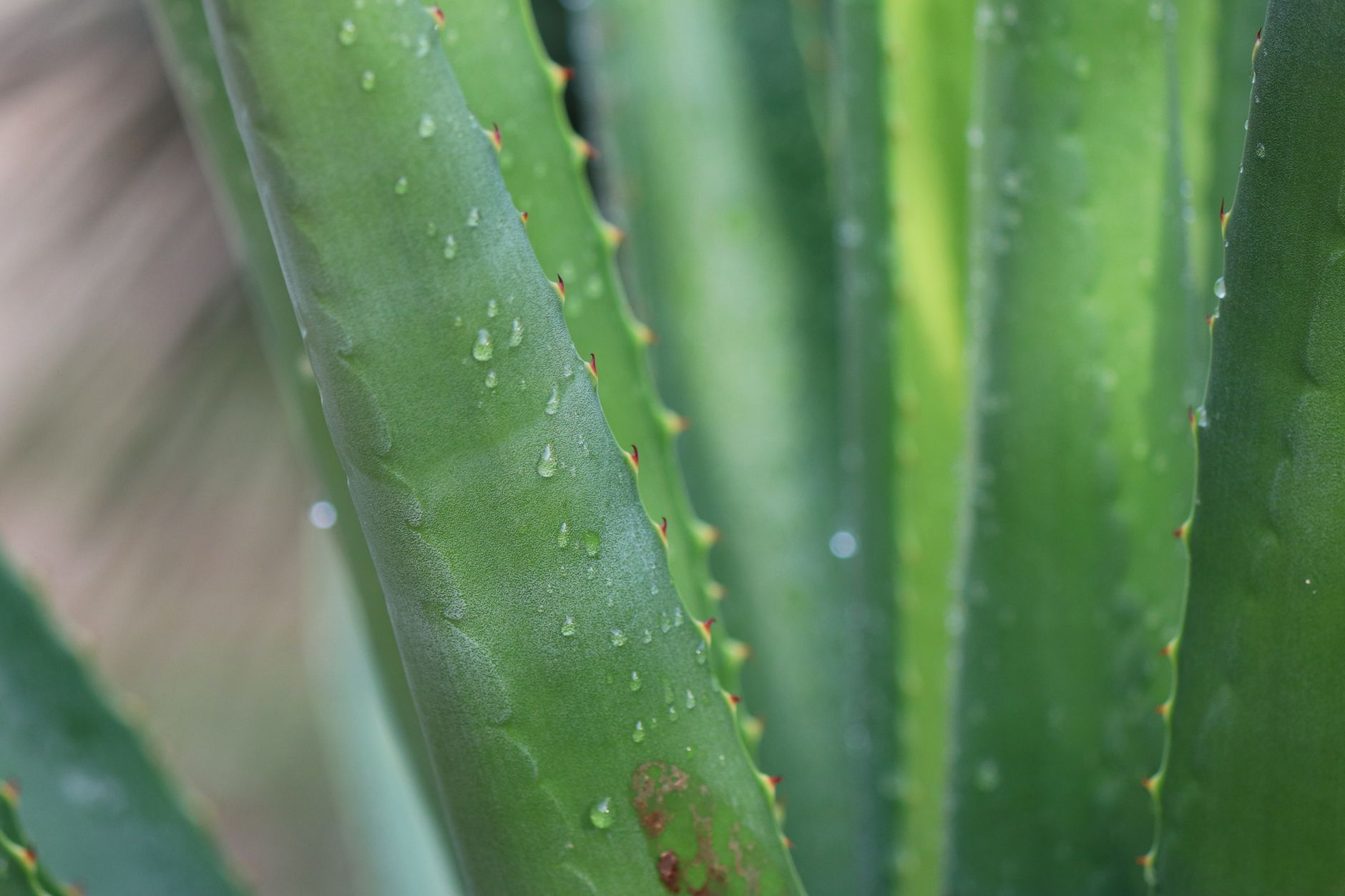
Aloe vera is the most versatile plant in the skincare arsenal, and most people underestimate it because it sounds too simple. The gel inside an aloe leaf contains over 75 active compounds, including vitamins A, C, E, and B12, minerals like zinc and magnesium, and polysaccharides that stimulate collagen production and reduce inflammation. It is antimicrobial, anti-inflammatory, and promotes wound healing. If you could only keep one plant for skin health, aloe would be the choice.
For daily use, the protocol depends on your skin type. If you are oily or combination, aloe gel can replace your moisturizer entirely. Apply a thin layer to clean skin morning and night. It hydrates without adding oil, which is exactly what oily skin needs. If you are dry, layer aloe under your plant oil. The aloe provides water-based hydration; the oil locks it in. This two-layer system mimics the skin's natural moisture mechanism: water first, lipid barrier second.
For sun exposure, aloe is the recovery tool. After any significant sun time, apply a thick layer of pure aloe gel to exposed skin. The polysaccharides create a breathable film that reduces transepidermal water loss, while the anti-inflammatory compounds calm the erythema response. Do this within an hour of coming indoors. It will not reverse sun damage, but it will dramatically reduce the acute inflammatory response that leads to peeling and hyperpigmentation. Fresh aloe from a live plant is superior to packaged gel, which often contains preservatives and added fragrance. If you keep an aloe plant on your windowsill, you have a perpetual supply of the best skin treatment available for zero cost.
Aloe also functions as an after-shave treatment, a post-cold-exposure recovery aid, and a general-purpose skin soother for contact dermatitis from plants, insects, or environmental irritants. It is the one plant that belongs in every skincare protocol regardless of your skin type, climate, or activity level.
Raw Honey: The Antimicrobial and Exfoliant That Replaces Your Entire Shelf
Raw honey is not the filtered, pasteurized product in the squeeze bear. Raw honey is unheated, unfiltered, and contains active enzymes, probiotics, and antimicrobial compounds that processed honey destroys. The two key components for skin are glucose oxidase, which produces low concentrations of hydrogen peroxide at the skin surface, and methylglyoxal, a potent antibacterial found in high concentrations in manuka honey. These compounds give honey its wound-healing and antimicrobial properties.
As a cleanser, raw honey is remarkably effective. Apply a tablespoon to damp skin, massage for 60 seconds, and rinse with warm water. The enzymes gently dissolve dead skin cells without the irritation of chemical exfoliants. The low hydrogen peroxide concentration reduces acne-causing bacteria without disrupting your skin's microbiome. The natural humectant properties draw moisture into the skin during the cleansing process itself. You are not just cleaning your face. You are treating it. This works as a standalone cleanser for normal and dry skin, and as a twice-weekly treatment for oily skin.
As a mask, raw honey goes deeper. Apply a thick layer to clean skin and leave it for 20 to 30 minutes before rinsing. The extended contact time allows the antimicrobial and enzymatic compounds to work at full capacity. For acne-prone skin, add a pinch of cinnamon to the honey. Cinnamon contains cinnamaldehyde, which has demonstrated antibacterial activity against Cutibacterium acnes, the primary bacteria involved in acne. The combination is a field-tested antimicrobial mask that costs pennies per application.
For wound care and spot treatment, manuka honey with a high Unique Manuka Factor rating is the gold standard. Apply a small amount directly to blemishes, minor cuts, or abrasions and cover with a bandage overnight. The high sugar concentration draws water out of bacteria through osmosis, while the methylglyoxal destroys bacterial cell walls. Medical grade manuka honey is used in clinical wound care for a reason. It works. The version in your kitchen works too, just less consistently.
The Complete Naturemaxxing Skincare Stack
Here is the entire protocol in one place. Morning: rinse with water, apply aloe vera gel, press in three to five drops of jojoba oil, apply mineral sunscreen if going outdoors. Night: cleanse with raw honey, apply aloe vera gel, press in argan or rosehip oil. Twice per week: raw honey mask for 20 minutes. After sun exposure: thick aloe application. For active blemishes: manuka honey spot treatment overnight.
That is the whole stack. Six items, all derived from plants, all recognized by your skin at a molecular level, all field tested across centuries of human use. No synthetic fragrances, no microplastics, no quarterly product refreshes designed to keep you buying. The cosmetics industry runs on creating problems and selling solutions. Nature already solved the problems. Your job is to apply the solutions consistently and get out of your skin's way.
Skincare is not complicated. It is made complicated by an industry that profits from confusion. Your skin evolved to function with water, oil, and the occasional antimicrobial treatment. Give it those three things in the right form, protect it from excessive sun damage, and it will do the rest. The protocol is not a suggestion. It is the most efficient path. Everything else is noise.


