Wild Foods for Peak Performance: Nature's Nutrient-Dense Fuel (2026)
Discover the highest-performing wild foods for outdoor nutrition. This guide covers foraging strategies, macronutrient profiles, and preparation methods for wild proteins and plants that maximize your physical performance in nature.
The Nutrient Density Gap: Why Domesticated Food Is Running on Empty
Your plate is lying to you. The vegetables in the grocery store have been selectively bred for yield, storage tolerance, and visual appeal over millennia. What you call nutrition is actually the remnant of what wild foods used to deliver. Every bite of domesticated produce is several generations removed from the nutrient density your ancestors accessed simply by walking outside and eating what grew there. This is not a conspiracy. It is plant breeding, and it has hollowed out your food supply without most people noticing.
The data tells a story that nutrition science has been slow to popularize. Studies comparing wild and cultivated varieties of the same plants consistently show dramatic differences in vitamin content, mineral density, and antioxidant capacity. Wild blueberries outperform their cultivated cousins in ORAC scores by factors that would make supplement marketers weep. Wild game carries a fat profile that factory farmed meat cannot replicate, with omega-3 to omega-6 ratios that actually serve your biology instead of inflaming it. The wild foods advantage is not marginal. It is foundational.
You do not need to abandon agriculture to access this advantage. You need to understand the protocol for integrating wild foods into your nutrition stack. The forager who knows what grows in their region has a nutrient density multiplier available to no gym, no supplement protocol, and no superfood powder. This is the original performance nutrition, and it is growing within walking distance of wherever you sit reading this.
Wild Proteins: What Game Meat Actually Delivers
Start with the protein source that humanity evolved consuming before we ever domesticated cattle, pigs, or chickens. Elk, deer, moose, wild boar, rabbit, and bison represent what a ruminant's nutritional profile looks like when the animal actually moves through terrain and eats native vegetation. The difference in fatty acid composition alone justifies the effort required to source wild game. A grass-fed, pasture-raised domestic steak is a compromise compared to what a deer extracts from the same landscape.
Wild game carries conjugated linoleic acid concentrations that suppress inflammation, zinc in forms your gut absorbs efficiently, and B vitamins in their complete bioavailable configurations. The animal's stress response during a hunt produces a meat chemistry that cannot be replicated in a feedlot. This is not romanticism. This is endocrinology. The hormone profile of an active, stressed wild animal produces metabolites that your own stress hormones interact with differently than the sedated, grain-fed animal you find wrapped in plastic at the grocery store.
If hunting is not your protocol, focus on wild-caught fish. Salmon, trout, bass, and catfish from clean waters carry the omega-3 content that your brain and joints require, bound to proteins that your digestive system recognizes and processes without the inflammatory response common with farm-raised fish. The key variable is water quality. Sourcing fish from polluted waterways transfers that pollution to you. Learn your local waters, understand seasonal fish consumption advisories, and prioritize wild-caught over farm-raised without exception.
Insects occupy a niche in the wild foods protocol that Western palates are only beginning to explore, but the nutritional science is clear. Crickets deliver complete amino acid profiles with bioavailability ratings that outperform soy. Mealworms carry B12 concentrations that rival fortified cereals without the processing. The insectivore pathway is not psychological conditioning. It is biology waiting to be accessed. Start with cricket protein powder in smoothies if whole insects lack appeal. Your gut microbiome will adapt within weeks.
Foraged Greens: The Forgotten Nutrient Stack
Lambs quarters is growing in your backyard right now, and most people call it a weed. Dandelion greens that landscapers poison with chemicals are among the most vitamin-dense leafy greens available to human biology. Purslane, growing low to the ground in garden beds and sidewalk cracks, contains more omega-3 fatty acids per gram than most fish oil supplements. The wild foods protocol starts with recognizing that the plants your environment produces naturally are not obstacles to remove. They are nutrition waiting to be harvested.
The mineral density of wild greens consistently outperforms cultivated lettuce and spinach in blind nutritional analyses. Wild plants have not been bred for mild flavor and visual appeal. They have been selected by millions of years of evolution to produce secondary metabolites that defend against herbivory while supporting mammalian biology. These same compounds that discourage grazing insects are what your body recognizes as medicine. Bitter compounds in wild greens stimulate digestive enzyme production. Tannins modulate blood sugar response. Flavonoids cross the blood-brain barrier in ways that isolated supplement compounds cannot.
The protocol for integrating wild greens is straightforward. Identify three to five species that grow in your region and are unambiguously safe to harvest. Learn their growth seasons, preferred habitats, and preparation methods. Lambs quarters responds to wilting like spinach. Dandelion greens require brief boiling to remove excessive bitterness if the young leaves are not harvested first. Purslane can be eaten raw and carries a mucilaginous quality similar to okra. Once you have reliable identification skills, the harvesting protocol takes minutes and delivers nutrition that no grocery store purchase can match.
Beyond the common species, expand into targeted foraging based on your performance goals. Nettles in spring deliver iron in forms your gut absorbs without the gastrointestinal distress common with iron supplements. Wood sorrel provides citrate compounds that support kidney function and aid mineral absorption. Ramps, where they grow, carry allicin concentrations that rival garlic with a flavor profile that makes restaurant chefs weep. The wild foods inventory is large enough that every plate you assemble can include at least one foraged component once the identification skills develop.
Berries and Wild Fruit: Antioxidant Capacity That Synthetic Compounds Cannot Replicate
Anthocyanins, ellagitannins, and quercetin are terms that supplement companies use to sell extracts. The actual compounds exist in their complete biological context in wild berries, and the difference in your body's utilization of whole-food sources versus isolated compounds is significant. When you consume a wild black raspberry, you access not just the anthocyanin molecules but the matrix of fiber, other polyphenols, and micronutrients that facilitate absorption and transport to target tissues.
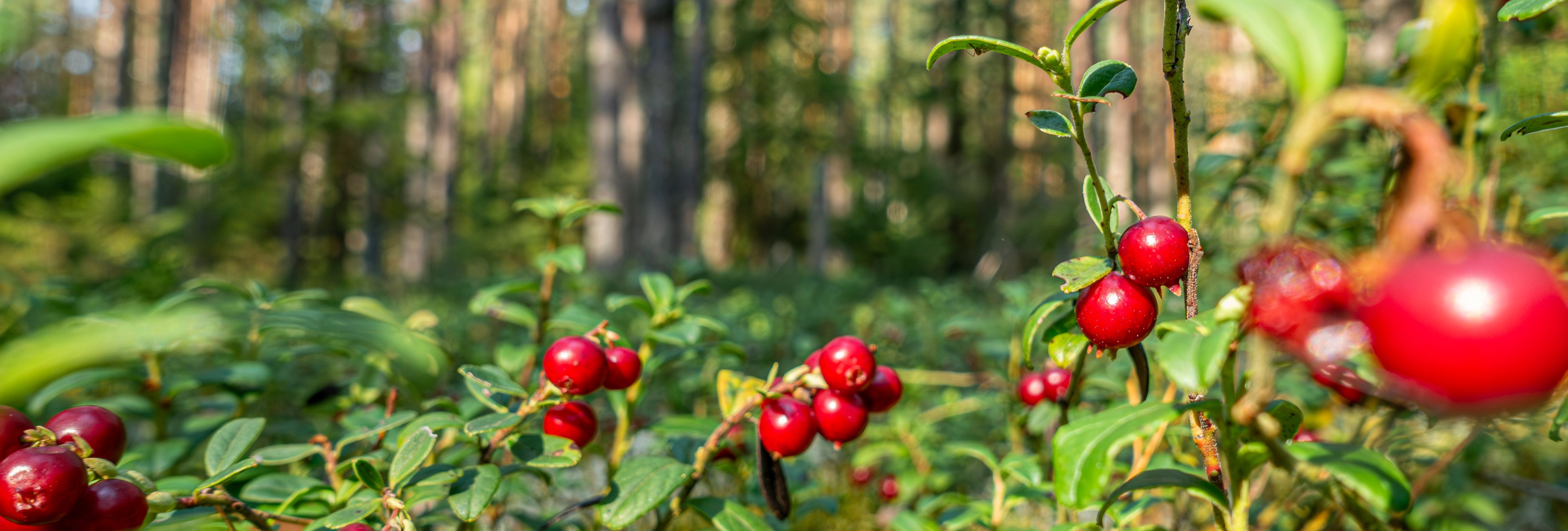
The protocol for berry foraging requires regional knowledge that no article can fully provide, but the framework transfers across geography. In most temperate zones, serviceberries, elderberries, blackberries, raspberries, and huckleberries represent reliable starting points with low risk of toxic confusion. The key skills are positive identification, understanding of harvest timing relative to ripeness, and awareness of contamination risks from nearby agricultural application or roadside exhaust.
Wild berries have smaller fruit profiles, more seeds, and more complex flavor notes than their cultivated relatives because no selective breeding program has optimized them for yield and mildness. This is not a deficiency. This is the nutrient density gap in concentrated form. A handful of wild blackberries delivers more total phenolic content than an entire pint of grocery store berries. The effort of picking them is rewarded with a flavor and nutritional profile that domesticated fruit simply cannot deliver.
Preserving the harvest extends the wild foods protocol across seasons. Freezing, dehydrating, and low-sugar jam making with pectin maintain the nutritional advantage for winter months when fresh foraged options are unavailable. The preservation protocol matters because extreme heat and excessive sugar degrade the compounds that make wild berries worth harvesting in the first place. Low-temperature drying or freezer storage are the preferred methods.
Building Your Wild Foods Stack: A Seasonal Protocol
The integration of wild foods into your nutrition protocol requires a framework that accounts for seasonal availability and personal tolerance building. Your gut microbiome and digestive enzyme production adapt to the chemistry of wild foods within two to three weeks of consistent consumption. Start with one wild food per week during the first month, then expand the protocol as your body establishes the metabolic pathways for processing these compounds.
Spring delivers wild greens and early shoots. Asparagus, ramps, and fiddlehead ferns represent high-value targets that command attention during their brief windows. Summer expands the portfolio with berries, early fruits, and expanded green availability. Fall brings nuts, late berries, mushrooms for the skilled identifier, and wild game as animals move into their prime fattening season before winter. Winter is the season for preserved wild foods, strategic sourcing from frozen storage, and focusing on root vegetables and stored fruits that persist through cold months.
Cross-contamination and misidentification represent the primary risks in any foraging protocol. Invest in regional field guides with high-quality photographs. Join local foraging groups where experienced identifiers verify your sightings before you consume based on your own identification. Spend one full year of observation before harvesting from any single location, understanding the contamination history of the soil, the application history of nearby land managers, and the seasonal patterns of the species you target. The wild foods protocol rewards patience and punishes rushing.
The supplementation complement to wild foods is minimal once the protocol is established. Most people finding their nutrition through wild foods sources discover that their synthetic supplement needs decrease significantly. Zinc from wild game reduces the need for zinc picolinate. Iron from nettle tea eliminates the constipation common with iron pills. Vitamin C from rose hips delivers ascorbic acid in a matrix that your gut handles without the gastric upset of isolated supplements. The wild foods protocol is simpler and more complete than the supplement shelf it replaces.
The Sovereignty Argument: Why Access Matters More Than Optimization
Every meal you purchase from the commodity food system represents a dependency. The supply chains that deliver your nutrition are vulnerable to disruption, inflation, and contamination. The wild foods protocol is the nutrition equivalent of growing your own gym equipment in your backyard. You are not dependent on a company maintaining production, a truck driver completing a delivery, or a retailer deciding to keep an item in stock. The wild foods that grow in your bioregion are available regardless of economic conditions, geopolitical disruptions, or corporate decisions you have no visibility into.
This is not preparedness thinking. This is basic sovereignty over the biology that everything else in your life depends on. Your cognitive performance, physical output, and emotional resilience are all downstream of what you consume. The person who can walk into any green space with knowledge of what grows there has a metabolic advantage over the person dependent on a grocery store three blocks away. The wild foods protocol is a skill stack that compounds value over decades.
The barrier to entry is low and the ceiling is high. You need a regional field guide, an afternoon of identification practice, and a willingness to eat plants that look different from what the grocery store trained your eye to expect. Within a season, you will have a reliable rotation of wild foods integrated into your meals. Within a year, you will have the confidence to identify species on sight, harvest at peak nutrition timing, and prepare wild foods with the same casual competence you bring to grocery store shopping. The protocol works. Start this week.