Wild Mushroom Foraging: Complete Identification & Safety Protocol (2026)
Master the art of safe wild mushroom identification with this comprehensive guide covering edible species, toxicity warnings, seasonal foraging calendars, and preparation techniques for maximum nutrition.

Why Foraging Mushrooms Is the Most Practical Wild Food Protocol
Most people equate wild food foraging with novelty. Berry picking. Maybe some wild asparagus by the highway. Mushroom foraging is different. This is protein. Fat. Trace minerals. B-vitamins in forms your body actually absorbs. And in many biomes across North America, you can find more edible mushrooms within a two-mile radius of your car than you could buy in a week at the grocery store.
But here is the reality that separates mushroom foragers from people who get poisoned every year: identification is everything. One wrong mushroom can hospitalize you. Two can kill you. This is not fearmongering. This is the actual risk profile that the foraging community lives with, and it is why this protocol exists.
You are not going to go from zero to morel hunting in one afternoon. That is fine. The protocol below will get you there in stages: first learning the handful of species that are genuinely safe for beginners, then expanding into intermediate identification as your knowledge deepens. If you follow this guide and resist the temptation to guess on anything that does not fit the criteria exactly, you will not have a problem. The people who get sick are the ones who identify mushrooms based on a photo they saw online, skip the spore print, and eat something that looked close enough.
Do not be those people.
The Golden Rule: Spore Print or It Did Not Happen
Before anything else, you need to understand what a spore print is and why it is non-negotiable. A mushroom's gills, pores, or ridges release microscopic spores that fall onto a surface beneath a cap left overnight. The color of those spores is one of the most reliable identification features available, and it does not require any equipment. All you need is white paper, a glass, and an overnight commitment.
To take a spore print, cut the stem clean from the cap and place the cap gill-side or pore-side down on white paper. Cover with the glass to prevent air currents from disturbing the spores. Leave undisturbed for several hours or overnight. The resulting print will show a color: white, pink, brown, black, rust, or yellow. This color eliminates entire categories of mushrooms and narrows your field dramatically.
For example, if you are looking at a white mushroom with white gills and it produces a white spore print, you are looking at a potential Amanita. The Amanita family includes some of the most deadly mushrooms on the planet, including the destroying angel and the death cap. That spore print did not make it safe. It made it identifiable. Now you know to leave it alone.
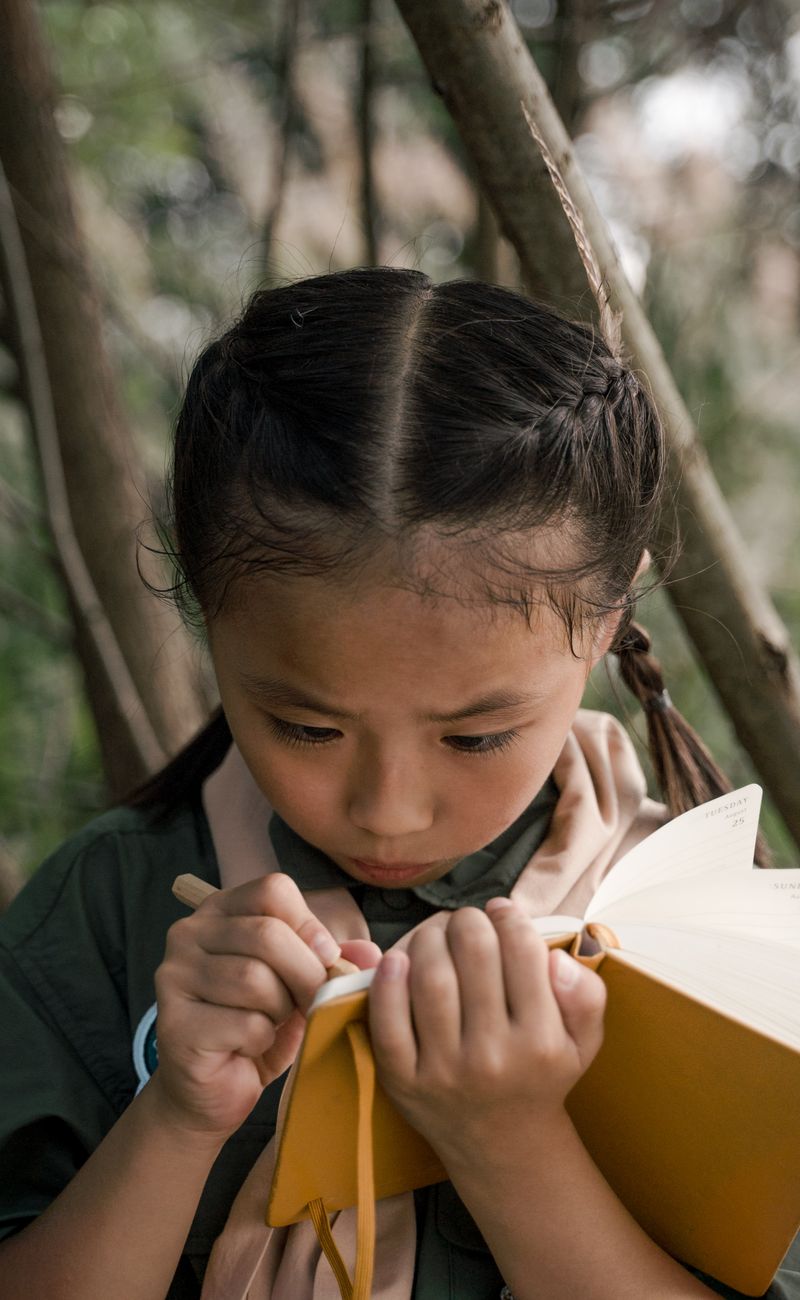
Carry a small notepad and pen when you forage. Write down spore print colors, cap textures, smells, and habitat notes for every specimen you examine. This is how your knowledge compounds over seasons.
The Five Beginner-Safe Species You Should Start With
There are exactly five species that are widely considered safe for beginners to harvest and that have minimal dangerous look-alikes. These are the mushrooms that will teach you the fundamentals of habitat, season, and structure before you move to more complex identification work.
Chanterelles represent the gold standard for beginners. They fruit from early summer through late fall in hardwood forests, often near mossy areas and creek beds. They are recognizable by their false gills: ridges that fork and are never true blades. Their color ranges from bright yellow to golden orange, and they have a fruity, apricot-like smell that becomes unmistakable once you have experienced it. The dangerous look-alike, the jack-o-lantern mushroom, has true sharp gills, grows in clusters on wood rather than singly from the ground, and produces an orange bioluminescence in fresh specimens at night. Chanterelle spore prints are white to pale yellow.
Oyster mushrooms grow on dead or dying hardwood trees, usually in shelf-like clusters. Their caps are fan-shaped with a distinct offset stem. The gills run down the stem, and the color ranges from white to gray to tan. The critical feature is their habitat: they grow on wood. Never eat gilled mushrooms growing from wood that you cannot positively identify as oyster mushrooms. Many dangerous Amanitas can appear to grow near wood, and the margin for error disappears when you are dealing with liver failure and kidney damage.
Chicken of the woods is one of the most visually unmistakable edible mushrooms in North America. It grows in brilliant orange and yellow brackets, usually on oak trees, and fruits from late spring through early fall. The underside has small pores rather than gills. When fresh, it feels like dense chicken breast when pressed. Old specimens become tough and inedible. There are no documented dangerous look-alikes that match the color and growth pattern, but there is a pale cousin that grows on conifers that some foragers report causes gastric distress. Stick to the bright orange growths on oak and you will be fine.
Puffballs are spherical mushrooms that grow on the ground in disturbed soils, meadows, and forest edges. The key identification is that they must be pure white inside when cut. Any yellow, purple, or dark coloration inside means you are looking at something that is not a puffball. There are deadly look-alikes in the Amanita family that start as small button-stage mushrooms that can be mistaken for puffballs. The way to distinguish them: cut the mushroom in half vertically. A true puffball is solid white throughout. An Amanita button will show the beginning of a mushroom stem and cap structure inside. When in doubt, cut it open.
Black trumpets, also called black chanterelles or horn of plenty, grow in clusters on the forest floor, often near oak and beech trees in late summer through fall. They are small, funnel-shaped mushrooms with a dark brown to black color. Their ridges are forking and do not run down the stem. The only concern with black trumpets is that they blend into dark forest floors and can be difficult to spot. Move slowly. Look for the small funnel shapes, not a traditional cap-and-stem structure.
What Kills Foragers: The Mushrooms You Must Never Eat
Understanding the dangerous species is as important as knowing the safe ones. The mushrooms that cause most poisonings share a few characteristics that you need to internalize before you ever put a basket in the woods.
Amanita phalloides, the death cap, is responsible for most mushroom-related fatalities worldwide. It looks like a normal white mushroom with a cap that can be olive, yellow, or white. It grows singly on the ground, has true gills, and produces white spore prints. The danger is that it can resemble edible species, particularly when young in the button stage. It causes a delayed onset of symptoms, typically six to twelve hours after ingestion, which can create a false sense of safety. By the time the symptoms manifest, significant liver damage has often already occurred. This mushroom grows in urban areas, near landscaping, and under non-native tree plantings. It is not confined to deep wilderness.
Gyromitra species, the false morels, are often confused with true morels by beginners. True morels have a honeycomb cap structure and are hollow inside when cut. False morels have a brain-like, wrinkled cap and are not completely hollow. Gyromitra contains gyromitrin, which converts to monomethylhydrazine in the body, the same compound used as rocket fuel. Some people eat Gyromitra species after parboiling without incident, but the toxin levels vary and the risk is not worth it when true morels are widely available during the same season.
Amanita muscaria, the fly agaric with the classic red and white spotted cap, causes serious neurological symptoms including delirium, seizures, and muscle contractions. It has send to hospitalize many people who assumed the fairy tale appearance indicated edibility. Do not eat it.
The rule here is simple: if you cannot confirm identification with absolute certainty, leave the mushroom in the ground. Not probably. Not close enough. Absolutely certain. The margin for error in mushroom identification is measured in organ damage.
The Foraging Protocol: How to Hunt, Harvest, and Process
Mushroom season runs from spring through first frost, with different species peaking at different times. Morels appear in late April through May, typically in forested areas with recent burn or disturbance. Chanterelles start in June in the south and peak in August through September further north. Chicken of the woods fruits heaviest in late summer. Puffballs appear in fall after rain events.
Go out the morning after a rain. Mushrooms are mostly water, and they push through the soil or expand from wood within hours of moisture availability. The day after a heavy rain is when you fill your basket.
When you find a specimen, photograph it in situ before harvesting. This allows you to verify identification later if you are uncertain. Cut mushrooms at the base rather than pulling, which disturbs the mycelium below the surface. Carry a mesh bag rather than a plastic bag or closed container, because mushrooms continue to breathe and can overheat and spoil if airflow is restricted.
Process your harvest within 24 hours. Clean mushrooms with a soft brush rather than submerging them in water. Most edible species can be dried for long-term storage, which concentrates flavor and makes them easier to store. A dehydrator set to 105 to 115 degrees Fahrenheit will dry mushrooms without cooking them. Properly dried mushrooms will keep for months in sealed glass containers.
When cooking wild mushrooms, always start with a small portion. Eat a modest serving and wait 24 hours before consuming larger amounts. This allows you to identify any individual sensitivity without a significant exposure. Some people process certain species differently and have no issue with others. This is not about toxicity in the traditional sense, but about personal tolerance and preparation method.
Building Your Knowledge: The Systems That Compound
Mushroom identification is a skill that builds season over season. Start by learning one species completely. Know its habitat range, its season window, its structure in all growth stages, its spore print color, and its smell profile. Once you have that species locked in, add another.
Download a reputable mushroom identification app and cross-reference every sighting before you harvest. The iNaturalist database is valuable for community verification, though you should not rely on a single identifier when eating something you found in the woods. Use multiple sources. Take your own photos and notes. Join a local mycological society and attend forays where experienced identifiers will walk you through real specimens.
Local mushroom clubs are underrated as a resource. They are free or low-cost, they provide access to people who have been foraging your specific region for decades, and they create accountability for your knowledge. Many clubs have formal identification walks where experts will review your finds and tell you exactly what you have.
Do not buy mushroom field guides published before 2010 for regional identification unless you are specifically looking for historical context. Regional distribution maps shift, common names change, and newer guides include photography from your specific bioregion. The Pacific Northwest has different primary species than the Southeast, which differs from the Midwest. A good regional guide is worth the investment.
The Forager's Ethic: Harvesting Without Depleting
Wild mushrooms are a shared resource. The mycelium network beneath the surface can span acres, but the visible mushroom is the fruiting body, and harvesting it does not destroy the organism below. That said, you should still harvest thoughtfully.
Take what you will use. Leaving mature specimens allows them to drop spores and continue propagation. Taking only a portion of a cluster rather than the entire cluster allows the remaining mushrooms to continue fruiting. Walking off the beaten path rather than creating new trails through dense habitat reduces disturbance to soil and root systems.
On public land, follow posted regulations about harvesting limits. On private land, always get explicit permission before entering and harvesting. Many landowners are happy to allow foraging but want to know what is being taken and in what quantities.
You are a guest in the ecosystem. Treat the habitat with more respect than you would treat a grocery store. The mushrooms will be there next year if you let them.
Start With One Species. Then Go Get It.
Pick one mushroom from the safe beginner list above. Research its range, its season, and its habitat. Print out the identification criteria or screenshot them on your phone. Go to the location during the right window and look specifically for that species. Cut one specimen, take spore prints, confirm identification, and cook it that day.
That single experience will teach you more than any article can convey. You will understand what fresh mushroom smell like when you cut it. You will see how light plays on gills and pores. You will develop the pattern recognition that makes identification faster with each season.
Then come back and add another species. In two years, you will have a network of knowledge that feeds you protein and micronutrients your grocery store cannot match, and you will understand your local ecosystem in a way that most people never achieve. The forest has been feeding people for longer than agriculture has existed. Time to rejoin the protocol.