Seasonal Eating Protocol by Region
Your body was designed to eat what grows around you, when it grows around you. Seasonal eating is the original nutrition protocol. Here is how to execute it regardless of where you live.
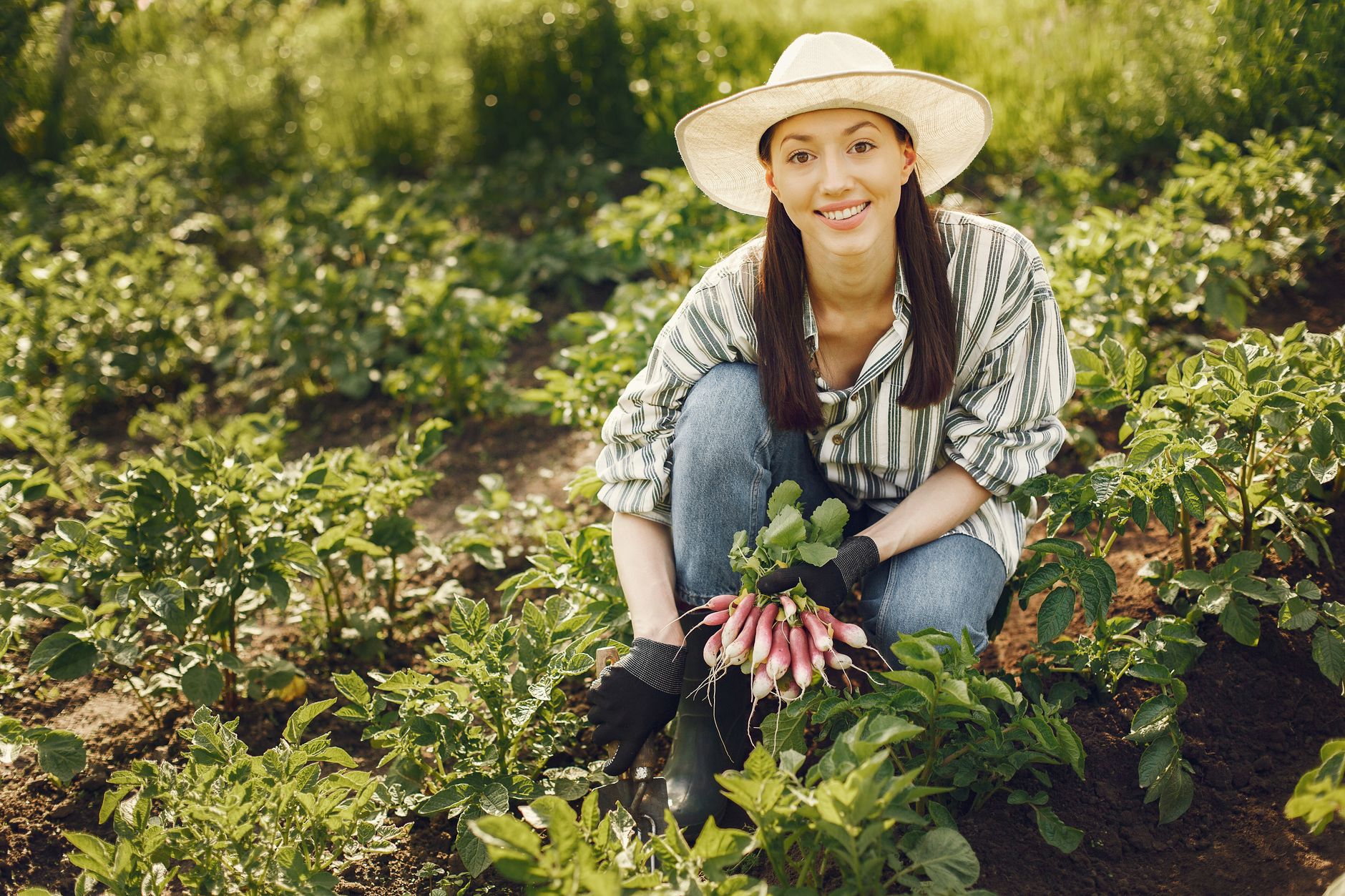
Why Seasonal Eating Is the Original Optimization
Before global supply chains, before refrigerated trucks, before strawberries in January, every human on earth ate seasonally by default. Your body evolved alongside the plants and animals in your region. The micronutrients available in spring greens, the density of summer fruit, the starch of fall root vegetables, the fat of winter storage crops. These are not random. They map to what your body needs in each season.
Spring brings bitter greens that stimulate liver function and bile production, exactly what your body needs after months of heavier winter foods. Summer delivers water-rich fruits and vegetables that hydrate and cool. Fall provides calorie-dense roots and squashes that help your body prepare for cold. Winter offers preserved and stored foods, dense in the nutrients your immune system needs during the sick season. This is not philosophy. This is biology responding to environmental cues over millennia.
The modern food system broke this pattern. Now you can eat asparagus in October and watermelon in December. Your digestive system did not get the memo. It still expects local, seasonal input. The result is a population chronically deficient in the micronutrients that would naturally cycle through their diet, while overdosing on the macro convenience of a food system designed around shelf stability, not biological optimization.
Seasonal eating fixes this. It does not require you to become a locavore purist. It requires you to align the majority of your intake with what your region naturally produces in each season. The protocol is straightforward. The execution requires knowing what grows when where you live.
The Regional Seasonal Framework
The United States spans multiple climate zones, and seasonal availability varies dramatically. What is in season in Florida in February is not the same as what is in season in Minnesota. Here is the framework broken down by region and season, focusing on the highest-yield foods for each window.
Northeast and Upper Midwest (Zones 3 through 6). Spring: ramps, fiddlehead ferns, asparagus, radishes, spring onions, spinach, sorrel. These bitter and mineral-dense greens are your liver's best friend after winter. Summer: tomatoes, zucchini, corn, berries, stone fruits, cucumbers, peppers, green beans. This is peak diversity. Eat as much variety as you can. Fall: apples, pears, winter squash, root vegetables, Brussels sprouts, cabbage, potatoes. Transition to denser, sweeter, starchier foods. Winter: stored root vegetables, fermented preserves, sprouts grown indoors, frozen berries from summer, dried herbs, and mushrooms. This is where preservation skills pay off.
Southeast and Mid-Atlantic (Zones 6 through 8). Spring: collard greens, mustard greens, strawberries, peas, lettuce, radishes, early tomatoes in warmer pockets. Summer: okra, watermelon, peaches, figs, tomatoes, corn, peppers, eggplant, sweet potatoes. The longer growing season means more diversity and earlier harvests. Fall: sweet potatoes, pecans, persimmons, late tomatoes, greens of all varieties. Winter: citrus from Florida, stored sweet potatoes, kale and collards that survive light frost, cold-frame greens. The Southeast's advantage is a longer growing season and milder winters that keep fresh greens available year round.
Pacific Northwest (Zones 7 through 9). Spring: morel mushrooms, nettle, wild garlic, asparagus, radishes, peas. The foraging here is exceptional. Morels alone make spring worth planning for. Summer: berries, specifically the blackberries that grow everywhere in the PNW, plus huckleberries, salmonberries, cherries, plums, tomatoes, leafy greens. Fall: apples, pears, mushrooms, specifically chanterelles and porcini, squash, root vegetables. Winter: stored apples and pears, root cellared vegetables, winter greens, and the best mushroom foraging of the year for some species. The PNW's temperate maritime climate keeps harvest windows open longer than most regions realize.
Southwest and Desert Regions (Zones 8 through 10). Spring: citrus, early greens, herbs, edible cactus pads, mesquite pods. Summer: melons, figs, peppers, tomatoes, corn, beans, prickly pear fruit. The desert produces some of the most nutrient-dense foods on earth, but in narrower windows. Fall: pomegranates, dates, late peppers, squash, pecans. Winter: citrus, leafy greens grown in protected spaces, stored dates and nuts. Desert seasonal eating requires more preservation and storage skills, but the foods available are extraordinarily concentrated in micronutrients.
The specific crops matter less than the principle: eat what your region produces in the season it produces it. Find your local farmers market. Ask what was harvested this week. Build your meals around that list first, then supplement with pantry staples. The ratio should be at least 60 percent seasonal and local, 40 percent pantry and preserved.
The Seasonal Kitchen Protocol
Eating seasonally is not just about buying the right produce. It is about how you prepare, preserve, and rotate through what each season gives you. Your kitchen protocol needs to match the calendar.
Spring: the reset. Spring foods are light, bitter, and mineral-rich for a reason. Your body is clearing out the sluggishness of winter. Lean into it. Eat raw or lightly cooked greens daily. Make salads the foundation of lunch. Saut\u00e9 ramps and wild garlic with eggs for breakfast. Drink nettle tea. The bitter compounds in spring greens stimulate bile production and liver detoxification pathways. Do not mask them with heavy dressings. Olive oil, lemon, salt. Let the bitterness do its job.
Summer: the abundance. This is the easiest season to eat seasonally because everything is available. The trap is overindulging in fruit without enough protein and fat. Pair summer fruit with nuts, cheese, or yogurt. Make tomatoes the base of at least one meal a day. Grill vegetables in bulk and eat them cold the next day. This is also the season to preserve. Freeze berries. Can tomatoes. Pickle peppers. Dehydrate herbs. What you put up now is what gets you through winter without resorting to out-of-season imports from 3,000 miles away.
Fall: the transition. Fall foods are dense, sweet, and grounding. Roast root vegetables in batches. Make soups from squash, sweet potatoes, and hearty greens. Apples and pears replace summer fruit. This is the time to shift your cooking methods from raw and light to roasted and slow-cooked. Your body is preparing for reduced sunlight and colder temperatures. The starch and fiber in fall foods provide the caloric density you need without processed junk. Ferment what you cannot eat fresh. Sauerkraut, kimchi, and fermented hot sauce will carry summer's bacterial diversity into winter.
Winter: the storage season. Winter is where most people fail at seasonal eating because the fresh options are limited. This is by design. Your body benefits from a period of lower caloric diversity. Root vegetables, stored apples, fermented vegetables, dried mushrooms, sprouts, and cold-hardy greens like kale and collards form the backbone. Sprout seeds and legumes indoors for fresh living food when nothing is growing outside. Make bone broth from saved bones and stored root vegetables. Use dried herbs and frozen summer produce to add variety. Winter is not a nutrition desert if you preserved properly in summer and fall.
Making It Work Regardless of Geography
The biggest objection to seasonal eating is "I live in a city and have no access to farms." This is cope. Every major city in the United States has farmers markets, community supported agriculture programs, and food co-ops. You do not need to live in Vermont to eat like someone who does. You need to spend 30 minutes finding the local options near you and commit to shopping there weekly.
Start with one shift per season. In spring, replace your out-of-season salad greens with whatever local spring greens are available. In summer, make your fruit intake 100 percent local and in-season. In fall, replace your grain sides with roasted root vegetables. In winter, replace one processed snack per day with a fermented vegetable or a piece of stored fruit. Four changes. Four seasons. That is the entry protocol.
The preservation skill stack is essential. If you cannot preserve food, you cannot eat seasonally through winter in most regions. Learn three methods: freezing, fermenting, and dehydrating. Freezing is the easiest. Blanch vegetables, spread on a sheet pan, freeze, then bag. Fermenting takes more effort but produces the most biologically active food you can eat. Dehydrating is ideal for herbs, mushrooms, and fruit leather. Combined, these three methods let you store 80 percent of what you harvest or buy in season.
The cost objection is also cope. Seasonal produce is cheaper than out-of-season imports at every farmers market in the country. When tomatoes are in season locally, they cost a fraction of what imported tomatoes cost in February. When berries are at peak, you can buy flats for preserving at half the per-unit price of the same berries out of season. Seasonal eating saves money. The only additional cost is the time to preserve, and that time is an investment that pays dividends in nutrition and food security for months.
Eat what grows when it grows. Preserve what you cannot eat fresh. Rotate with the calendar. That is the protocol. Everything else is a variation on this theme. The people who make seasonal eating complicated are usually trying to sell you something. The original nutrition protocol is free. It just requires you to pay attention to where you live and what is growing outside.


