Outdoor Cold Exposure Heat Contrast Protocol: The Ultimate Guide (2026)
Master the ancient practice of alternating between cold and heat outdoors. This comprehensive guide covers cold plunge benefits, sauna benefits, optimal timing, and how to build tolerance progressively for maximum health gains.
What Is the Outdoor Cold Exposure Heat Contrast Protocol
Your body is a thermal engine designed to handle temperature extremes that your apartment will never replicate. Every day you wake up in a climate controlled box and wonder why you feel like garbage by 2pm. The answer is simple. You have removed every meaningful thermal stimulus from your life. Your ancestors did not have central air. They hunted in the cold and sweated by the fire. Your biology expects this. You are running factory settings.
The outdoor cold exposure heat contrast protocol is the systematic practice of moving between cold and heat in nature. This is not a spa treatment. This is the original human technology for resetting nervous system function, improving metabolic output, and building resilience that carries into every other domain of life. Cold water immersion and heat exposure have been studied separately for decades. The protocol combines them because the contrast between the two states amplifies the benefits beyond what either produces alone.
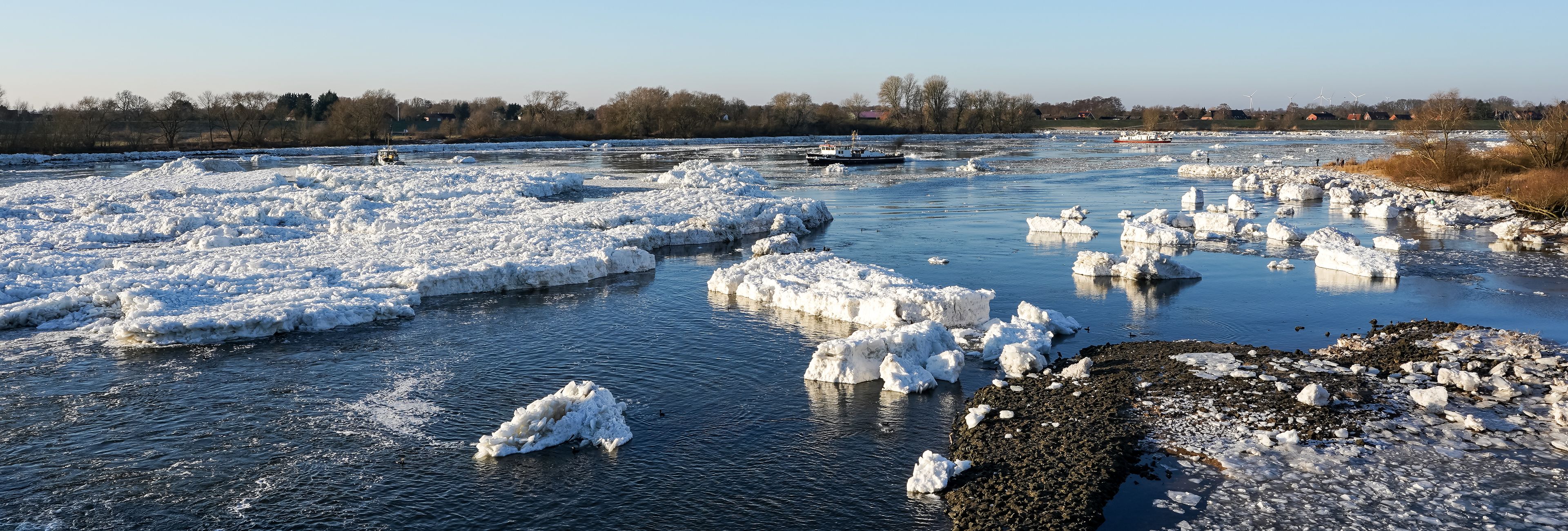
You do not need a plunge tub or an infrared sauna. You need a river and a fire. Or an ocean and a rocky shore. Or a mountain stream and a sunny boulder. The protocol scales to whatever natural thermal sources are available in your region. You have been coping with comfort for so long that you forgot your body can do this. It can. Here is how to do it properly.
The Science of Contrast Therapy: Why Hot Then Cold Works
When you enter heat, your body responds by vasodilating blood vessels near the skin surface. Blood flow increases, sweat production activates, and your core temperature rises slightly. When you immediately transition to cold, vasoconstriction kicks in. Blood vessels clamp down. The rapid shift from expansion to contraction creates a pumping action that moves blood through your circulatory system with more force than either state alone would produce.
Research suggests this contrast cycle promotes circulation efficiency, reduces inflammation markers in the blood, and activates the sympathetic nervous system in a way that builds tolerance to stress. The cold phase activates brown adipose tissue, the metabolically active fat that generates heat. The heat phase increases heart rate variability and produces a relaxation response that follows the sympathetic spike. The net result is a nervous system that learns to oscillate between alert and calm more efficiently.
For outdoor application, the natural environment provides the thermal extremes. A mountain lake in early spring might be 40 degrees Fahrenheit. A fire or sun heated surface might be 100 degrees or more. The contrast is more dramatic than any man-made system. Your body has to work harder to adapt, which means the adaptation is deeper. You are not just doing cold exposure. You are doing thermal training that generalizes to everything else.
The Outdoor Cold Exposure Heat Contrast Protocol: Step by Step
The protocol has four phases. Preparation, heat exposure, cold exposure, and recovery integration. Each phase has specific actions that determine whether you get the full benefit or just get wet and cold.
Phase one is preparation. You need to identify your heat source and your cold source before you start. The distance between them matters. You want a cold plunge that takes under 60 seconds to reach from your heat source. A longer transition means your body temperature drifts and the contrast effect diminishes. Ideal setup is a fire on a riverbank where you can walk from the flames into the water in seconds. Secondary option is a sunny rock formation next to a cold stream. Tertiary option is a hot spring flowing into a cold creek where you can move between the two thermal zones.
Start with heat exposure. You want 10 to 15 minutes of heat before the cold plunge. This raises your core temperature and loads your circulatory system with blood. The heat should be uncomfortable but sustainable. You are not trying to cook yourself. You are trying to make the subsequent cold feel genuinely extreme. A fire in cool air temperature works. Direct sun exposure in warm conditions works. A natural hot spring works even better if you have access to one. The goal is to be sweating and uncomfortable before you enter the cold.
Phase two is the cold plunge. Entry should be fast. Do not ease in gradually. Full submersion of torso and head for 30 seconds to 2 minutes on your first session. Water temperature below 60 degrees Fahrenheit produces the strongest stimulus. If you are in moving water, be aware of current. If you are in still water, stay within your depth comfort zone. The head submersion is non-negotiable. The vomeronasal system in your face responds to the cold stimulus and triggers a more complete sympathetic activation than cold on the body alone. You will gasp. Your heart rate will spike. This is the point. Breathe through it.
Phase three is the return to heat. Do not sit in the cold air shivering. Move immediately back to your heat source. Another 10 to 15 minutes of heat. The second heat cycle produces a different physiological response than the first because your body is already primed from the cold. Vasodilation is more pronounced, sweating is more active, and the relaxation response is deeper. You will feel a profound calm emerge as your body completes its adaptation cycle.
Phase four is integration. After your final cold plunge and heat cycle, let your body temperature return to neutral naturally. Do not bundle up immediately. Let the air and your own thermoregulation bring you back to baseline. This recovery period is when the parasympathetic benefits consolidate. You should feel clear, focused, and calm. If you feel agitated or can not stop shivering, your exposure was too long or the contrast was too extreme for your current level of adaptation.
Progression System for Cold Heat Contrast Training
Do not attempt advanced protocol on day one. Your cold tolerance and heat tolerance develop on separate timelines. Beginners should start with moderate cold and moderate heat with longer rest periods between cycles.
Week one and two: One heat cycle and one cold cycle per session. Cold exposure limited to 30 seconds. Heat exposure at 10 minutes. Sessions three times per week with at least one day between sessions. This builds baseline tolerance and lets your nervous system learn the pattern of the contrast.
Week three and four: Two cycles per session. Cold exposure extended to 60 seconds. Heat exposure at 10 to 15 minutes. Same three times per week cadence. You should notice improved tolerance to both stimuli. The cold should feel less shocking and the heat should feel more productive.
Month two and beyond: Two to three cycles per session. Cold exposure at 90 seconds to 2 minutes. Heat exposure at 15 to 20 minutes. Sessions can be daily in warmer months with appropriate recovery. Winter sessions should remain at three times per week to avoid overstressing the system. You can mix cold sources. A river in the morning and a hot spring in the afternoon counts as one session if within the same day.
The protocol does not require daily practice to maintain benefits. Two to three sessions per week will keep your cold tolerance and heat tolerance elevated. The metabolic benefits from brown fat activation persist even with reduced frequency. The nervous system benefits from contrast cycling are dose dependent though. More sessions produce more resilience. Less sessions maintain what you built. Overtraining produces diminished returns and increased injury risk in extreme cold conditions.
Where to Practice the Outdoor Contrast Protocol
The best locations provide natural thermal variety within a short distance. Rivers below hot springs are the gold standard. You get cold water upstream and hot water downstream. The transition requires walking along the bank, which keeps your body warm between phases. Look for geology that creates thermal gradients. Volcanic regions often have hot springs feeding into cold streams. Coastal areas with exposed rock and tidal pools offer cold ocean water and sun heated stone. Mountain valleys with north facing streams and south facing boulder fields provide cold water and hot surfaces.
Urban application is possible if you have access to a cold water source. A public fountain in winter is not ideal but it is better than nothing. A rooftop with sun exposure and a cold shower on a balcony works. The protocol is most effective with natural water sources because the temperature extremes are greater and the environment provides additional sensory inputs that amplify the nervous system effect. But the protocol works with whatever you have access to.
Seasonal variation matters. In summer, cold water sources are warmer and heat exposure from air and sun is less intense. You need to find colder water or extend cold exposure duration. In winter, cold water is genuinely cold but heat exposure from fire or sun is more valuable because ambient temperature is lower. The protocol adapts to the season. What changes is the specific temperatures and durations, not the structure of the practice.
Safety and Contraindications for Cold Heat Contrast
This protocol is not appropriate for everyone. If you have cardiovascular disease, a history of stroke, or significant blood pressure dysregulation, consult a physician before practicing cold heat contrast. The rapid blood pressure swings that occur during transition between extremes can be dangerous for people with compromised vascular systems. This is not a gatekeeping statement. It is a physiological reality. Know your health status before you practice extreme thermal contrast.
Never practice alone in water below 45 degrees Fahrenheit. The risk of cold incapacitation increases below this threshold. If you slip and can not get out of the water quickly, hypothermia can incapacitate you within minutes. A buddy system is non-negotiable for serious cold exposure practice. Tell someone where you are and how long you will be there.
Know the signs of hypothermia. Violent shivering, confusion, slurred speech, and loss of coordination are all indicators that you need immediate warmth and shelter. If you experience these symptoms, end the session immediately. Mild cold shivering and discomfort are expected. Loss of motor function and cognitive impairment are dangerous.
For heat exposure, know the signs of heat stroke. Hot dry skin, confusion, nausea, and elevated heart rate that does not come down with rest are indicators of heat emergency. If these occur, move immediately to shade and initiate cooling. Cold water on the wrists, ankles, neck, and forehead can help. Heat stroke is life threatening. Do not push through it.
Acclimatization takes time. If you are new to cold exposure, start with water temperatures above 55 degrees Fahrenheit. If you are new to heat exposure, start with ambient temperature sun exposure rather than active heat sources like fires. Build tolerance gradually over weeks and months. The protocol is a long-term practice, not a single heroic session.
How Contrast Therapy Changes Your Biology Over Time
After four weeks of consistent practice, your resting heart rate variability increases. This is a marker of improved autonomic nervous system function. Your body becomes more efficient at recovering from stress. Everyday irritations produce smaller sympathetic spikes. You return to baseline faster.
After three months, brown adipose tissue activity increases measurably in most people. Your baseline metabolic rate increases slightly. You handle cold environments more comfortably. Your sleep quality improves because temperature regulation during the night becomes more efficient.
After six months, the changes are structural. Your vasculature has adapted to rapid temperature cycling. Your cold tolerance has increased by several degrees. Your heat tolerance has increased by several degrees. The contrast between what your body considers cold and what it considers hot has widened. You have expanded your zone of thermal comfort in both directions.
This is the real value of the protocol. Most people live in a narrow thermal band. They are uncomfortable in anything below 65 degrees and anything above 80 degrees. You have trained your body to function across a much wider range. The resilience generalizes. Cold environments are less stressful. Hot environments are less stressful. Your body spends less energy on thermal management and has more resources available for everything else.
Building Your Long-Term Outdoor Contrast Practice
Make the protocol a scheduled practice, not a random event. Two to three sessions per week is the maintenance dose. Put it on your calendar. Treat it like a workout. The protocol builds cumulative benefit over time. Sporadic practice produces sporadic results.
Find a location you can return to regularly. The best contrast practice happens at spots you know well. You know the water temperature at different times of year. You know the best time of day for sun exposure. You know the approach and exit routes for safety. Returning to the same location builds relationship with the environment and deepens your understanding of seasonal variation.
Track your sessions. Note the water temperature, air temperature, duration, and how you felt before and after. This data builds your understanding of what works for your body. Over time you will develop an intuition for when to push harder and when to pull back. The protocol is not rigid. It adapts to your current state, the environmental conditions, and your goals for the session.
The outdoor cold exposure heat contrast protocol is not a hack or a trend. It is a return to the thermal diversity that human biology evolved with. You live in a world that has eliminated every temperature extreme from your daily experience. This protocol puts them back in. The cold water and the heat. The contrast and the recovery. The stress and the adaptation. That is how your body was designed to function. Start practicing.